

The Fiat of the Brasil is preparing for a historic transformation with the arrival of its new family of vehicles, led by the renewed Fiat Argo. Derivado from the European Grande Panda, this compact hatchback takes on the crucial mission of unifying global platforms, paving the way for the brand’s future launches in the América Latina and consolidating a new era of design and technology. The change goes far beyond a simple aesthetic update, representing a strategic milestone for the automaker in its transition to electrification and optimization of production costs, as anticipated in the automotive scene. Stellantis, the group to which Fiat belongs, demonstrates with this initiative its commitment to strengthening competitiveness in the global market.
Historically, the Italian manufacturer has been involved in several significant turning points in the country. The iconic 147 began its national trajectory, while the Uno cemented the brand as an unshakable force in the compact vehicle market, becoming a symbol of practicality and economy. Mais later, the Palio challenged and surpassed the hegemony of the Volkswagen Gol, consolidating the Fiat in sales leadership for years.
The successful Toro pickup truck, in turn, demonstrated the viability of Fiat models with greater added value, expanding consumer perception of the brand’s capabilities. Agora, the new Argo is positioned to be the key player that will shape Fiat’s strategy for the next decade, incorporating the latest technological innovations and design trends to maintain leadership in a highly competitive segment.
The revolution of the Smart Car platform in the new Argo
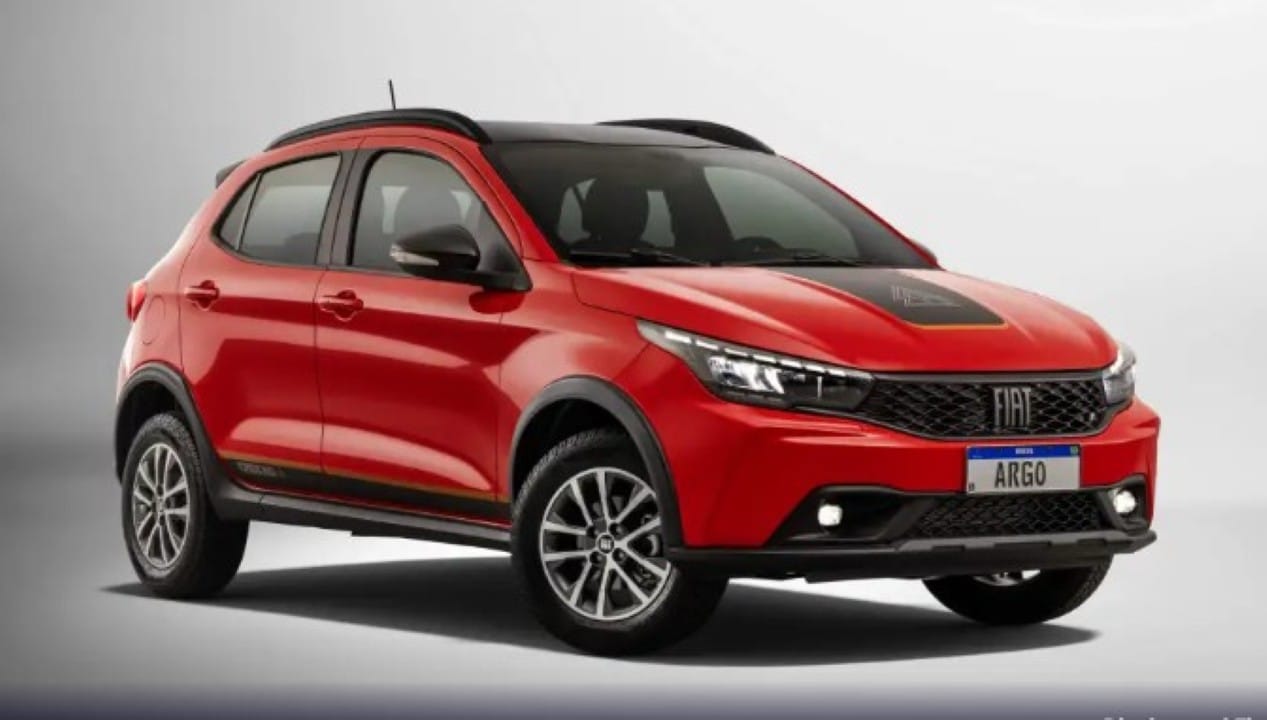
The essence of the new Fiat Argo’s transformation lies in its platform, a fundamental component that defines the vehicle’s architecture and capabilities. Pela for the first time in many years, the Betim factory will produce a genuinely unprecedented base, breaking with a cycle of incremental evolutions of old platforms that limited the brand’s innovation potential. The MLA base, currently used by the models Pulse and
The new model introduces the Smart Car platform in Minas Gerais, marking a break with the past and aligning national production with the global standards of Stellantis. The Esta base already serves as the foundation for vehicles such as the Citroën C3, Aircross and Basalt, being a cost-optimized version of the CMP platform, which equips models such as the Peugeot 208, 2008 and The adoption of this architecture aims not only to reduce production costs through the sharing of components in the Stellantis group, but it was also designed with a total focus on the future electrification of vehicles, making it versatile and prepared for the future.
Electrification horizon and innovative engines
The design of the Smart Car platform ensures that the new Fiat Argo is ready for the electrified packages that Stellantis plans to integrate into its fleet of vehicles. Essa capacity is a strategic differentiator in a global market increasingly focused on sustainable mobility solutions and low pollutant emissions, aligning Fiat with environmental guidelines and the expectations of modern consumers. The platform’s modular architecture allows remarkable flexibility to accommodate different powertrain configurations.
With this modern base, the new hatch will initially have internal combustion engine options, such as the efficient 1.0 three-cylinder aspirated engine, known for its robustness and economy. Além In addition, one of the big new features expected is the inclusion of the 1.0 three-cylinder semi-hybrid turbo engine, a technology already present in other Stellantis vehicles in the Brasil, which combines superior performance and significant fuel savings. The possibility of a 100% electric version being produced locally is also considered high, consolidating Fiat’s commitment to electrification and the diversification of its offer.
Global unification of the product family
The arrival of the new Fiat Argo plays a fundamental role in formalizing the brand’s global product strategy, promoting an unprecedented integration between the European and Latin American lines. Diferente from the current approach, where models like Fastback and Pulse are exclusive to the Brasil and América Latina, the next generation will bring a significant unification of designs and components. Esta initiative aims to optimize production, strengthen Fiat’s global identity and expand the reach of its vehicles in different markets, ensuring a more efficient flow of innovation.
In total, the new Argo project will give rise to four main variations, starting with the compact hatchback that will replace the current model, setting a new standard for the entry-level segment. Essa integrated family will also include:
– A coupe SUV, known internally as the F2X, designed to succeed the Fastback and keep the Fiat competitive in the growing sporty SUV segment.
– A seven-seater SUV, the F2U, which will take over the position currently occupied by the Pulse, offering more space and versatility for larger families.
– The successor to the Strada pickup truck, identified as the XBP project, which will benefit from the architecture and design elements introduced by the new Fiat Argo.
New visual identity and historical references
Visually, all these future models will follow the new Fiat design school, which is characterized by striking and contemporary elements. The aesthetic includes pixelated headlights and a more robust and “boxy” style, seeking a modern reinterpretation of classic elements. Essa design language directly references the original Panda and the iconic Uno, creating a cohesive and recognizable visual identity for the brand that blends innovation with nostalgia.
Premium positioning in internal competition
A crucial aspect to understand the dynamics of the automotive market in the coming years is how the new Fiat Argo will differentiate itself from models from its sister brands within the Stellantis, especially the Citroën. Embora shares the same Smart Car platform and many structural components, the Fiat has a distinct strategic positioning, occupying a step slightly above the French brand in the group’s portfolio. The Citroën, in turn, focuses on cost-benefit and simplicity, acting as the gateway to the Stellantis with accessible vehicles.
Fiat’s mission is to be the group’s volume brand, offering a slightly higher level of sophistication and perceived quality. In practice, this translates into a new Fiat Argo with a more refined finish, improved drivability and a more complete equipment package, surpassing that offered by the Citroën C3. Essa The same hierarchy will be observed between the Fiat SUV coupe and the Citroën Basalt, and between the Pulse successor and the Citroën Aircross, ensuring that each brand meets the different expectations of its consumers, without direct overlap.
The differentiation is also evident in the engine options and version strategy. Enquanto the Citroën Basalt can opt for aspirated configurations to maintain a more affordable starting price, the new Fiat SUV coupe will focus on semi-hybrid turbo engines from the entry-level versions, reinforcing its more premium and technological character. The objective is to establish a clear dividing line, offering products that are positioned between the simplicity of the Citroën and the more “gourmet” refinement of the Peugeot, serving a diverse range of consumers and market strategies.
Developments of the Fiat strategy for the market
The introduction of the new Fiat Argo not only renews the brand’s product line, but also signals a strategic realignment that will impact the perception of Fiat in the national and international market. With the Smart Car platform, the automaker gains a solid foundation for building more modern and competitive vehicles, capable of quickly adapting to consumer demands and environmental regulations. Este movement demonstrates Stellantis’s agility in optimizing resources and development processes.
The unification of platforms and the formation of a global family of products are decisive steps for Fiat to achieve greater production efficiency and reduce development costs. By sharing components and technologies with other brands in the group, such as Peugeot and Citroën, Fiat can invest more in aesthetic differentiation, embedded technology and driving experiences, without compromising price competitiveness. Essa synergy is essential to face the challenging automotive scenario.
The central role of Argo in the next decade
The new Fiat Argo represents much more than a simple launch; it is the foundation on which the entire Fiat strategy will be built for the next decade in Brasil. Sua introduction symbolizes a watershed, not only for the renewal of one of its most important models, but for its influence on the automaker’s entire product line in the country. The “boxy” design, which is already beginning to influence the style of the brand’s other cars, is a clear indication of a new visual phase, seeking a more robust and recognizable identity for the Fiat, aligned with trends in emerging and global markets. Ele will be the first model produced at the Betim plant to incorporate the STLA Small platform, also known as CMP or Smart Car, marking a significant technological evolution for the factory and for Brazilian engineering. Essa radical change is essential to maintain Fiat in sales leadership in the national market, while at the same time preparing it for the challenges of the transition to the electrification era. Além Furthermore, the unification of platforms with Peugeot and Citroën within



