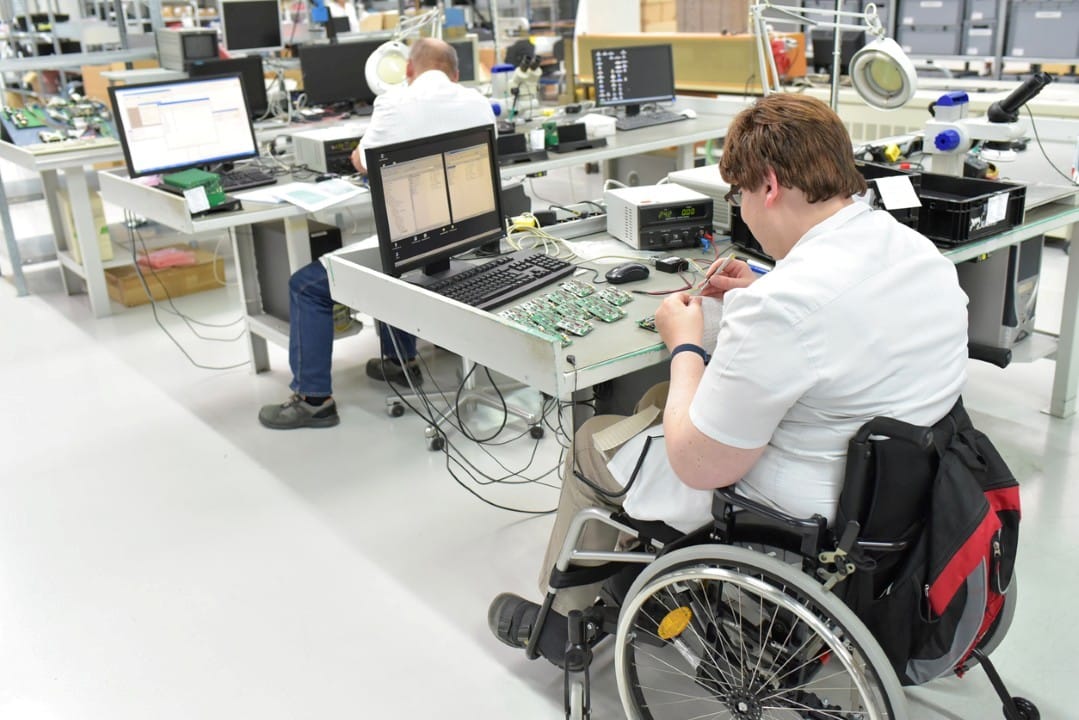
China’s manufacturing activity decelerated in January, with the official Purchasing Managers’ Index (PMI) falling below the critical 50-point threshold, signaling a contraction in the sector. This downturn, reflecting persistent weak domestic demand, poses a significant challenge for the world’s second-largest economy as it navigates the early months of 2026. The data, released on Saturday, January 31, underscores concerns among policymakers about the sustained recovery path.
The manufacturing PMI registered 49.3 in January, a decrease from 50.1 recorded in December. This figure also fell short of analysts’ predictions of 50.0, according to a Reuters survey.
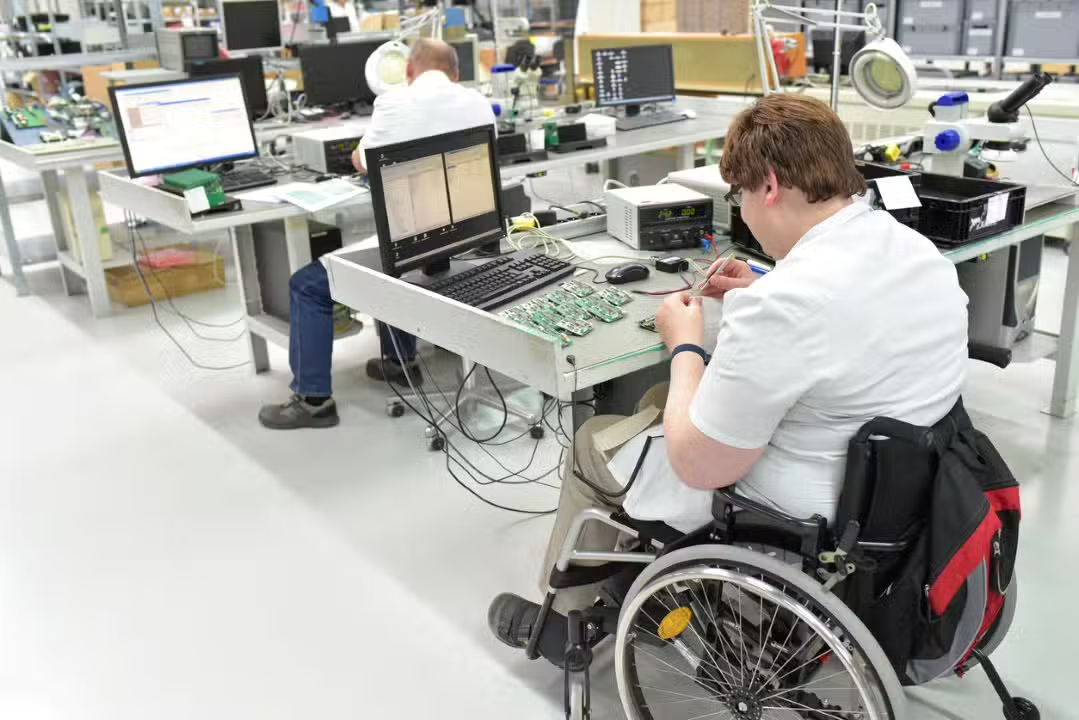
Concurrently, the non-manufacturing PMI, which encompasses services and construction, also declined to 49.4 from 50.2 in December. This marks its lowest level since December 2022, highlighting broader economic weaknesses:
– Weak market demand.
– Traditional industry slowdowns in January.
Industrial contraction signals economic headwinds
Huo Lihui, a statistician from the National Bureau of Statistics, emphasized that certain industrial sectors typically experience a period of reduced activity in January. He further highlighted the ongoing weakness in market demand, which serves as a critical underlying factor driving the recent contraction observed across both manufacturing and non-manufacturing segments. This trend points to deeply entrenched economic imbalances that extend beyond mere seasonal fluctuations, demanding more comprehensive attention from policy makers.
While China commendably achieved its official government growth target of 5% last year, largely propelled by robust export performance that successfully navigated former U.S. President Donald Trump’s tariff offensive, the headline figure inadvertently masked deeper economic fragilities. The economy notably witnessed a significant weakening in retail sales during the final quarter, culminating in the slowest fourth-quarter GDP growth in three years, starkly signaling a broad-based slowdown in internal consumption power and investor confidence.
Policy makers address persistent demand slump
Growing apprehension among policymakers is conspicuously evident as the decline in domestic demand stubbornly persists, compelling Beijing to implement a series of proactive governmental interventions. In a significant move, the government has preemptively allocated 62.5 billion yuan (approximately $8.99 billion) from long-term special Treasury bond funds. These funds are designated to bolster its extensive subsidy program, specifically aimed at encouraging the replacement of a wide array of products, from essential household appliances to sophisticated smartphones. This strategic financial injection is a concerted effort to directly stimulate consumer spending and revitalize internal markets, hoping to counteract the current economic deceleration and foster a more robust internal demand ecosystem across various sectors.
Central bank implements monetary easing
The central bank of China has also taken decisive action earlier this month to inject momentum into the economy.
It announced targeted cuts in sectoral interest rates, aiming to lower borrowing costs for specific industries and businesses struggling with tight liquidity.
Furthermore, the bank signaled potential for additional reductions in banks’ reserve requirement ratios (RRR), indicating a continued commitment to an accommodative monetary policy with more liquidity infusions anticipated.
Government pivots to internal consumption
As authorities intensify their efforts to invigorate household consumption, they are simultaneously channeling strategies toward boosting demand within the service sector.
This dual approach aims to efficiently absorb surplus output from the manufacturing sector, thereby attempting to realign and rebalance the nation’s economic activity.
Analyst skepticism challenges recovery path
Despite these concerted governmental and monetary efforts, a significant number of analysts maintain a cautious stance.
They remain skeptical regarding the immediate efficacy of the current measures in achieving sustained economic growth stabilization.
Ting Lu, Chief China Economist at Nomura, articulated in a recent note that Beijing will need to implement substantially more impactful interventions in the forthcoming months.
This is critically important if the nation is to realize an annual GDP growth rate surpassing 4.5% in 2026, as readily available policy tools near exhaustion.
Strategic focus on domestic demand for 2026
The Chinese government has unequivocally pledged to prioritize the enhancement of domestic demand throughout 2026, alongside an intensified focus on technological self-sufficiency to mitigate vulnerabilities to trade blockades and protectionist measures.
Xi Jinping’s vision and upcoming economic outlook
President Xi Jinping recently underscored this strategic direction during a high-level seminar involving senior government officials. He advocated for the “vigorous development of advanced manufacturing” and vowed to “make domestic demand the main driving force of economic growth,” signaling a clear future economic trajectory.
China is expected to set its official growth target for 2026 between 4.5% and 5%, according to the South China Morning Post, reflecting a cautious policymaking approach to avoid potential stock market instability. The private sector Purchasing Managers’ Index (PMI) for China, compiled by RatingDog, is anticipated to register 50.3, a slight increase from the 50.1 recorded in the previous month. This crucial data is scheduled for release on February 2, 2026, offering further insights into the health of the economy.
