

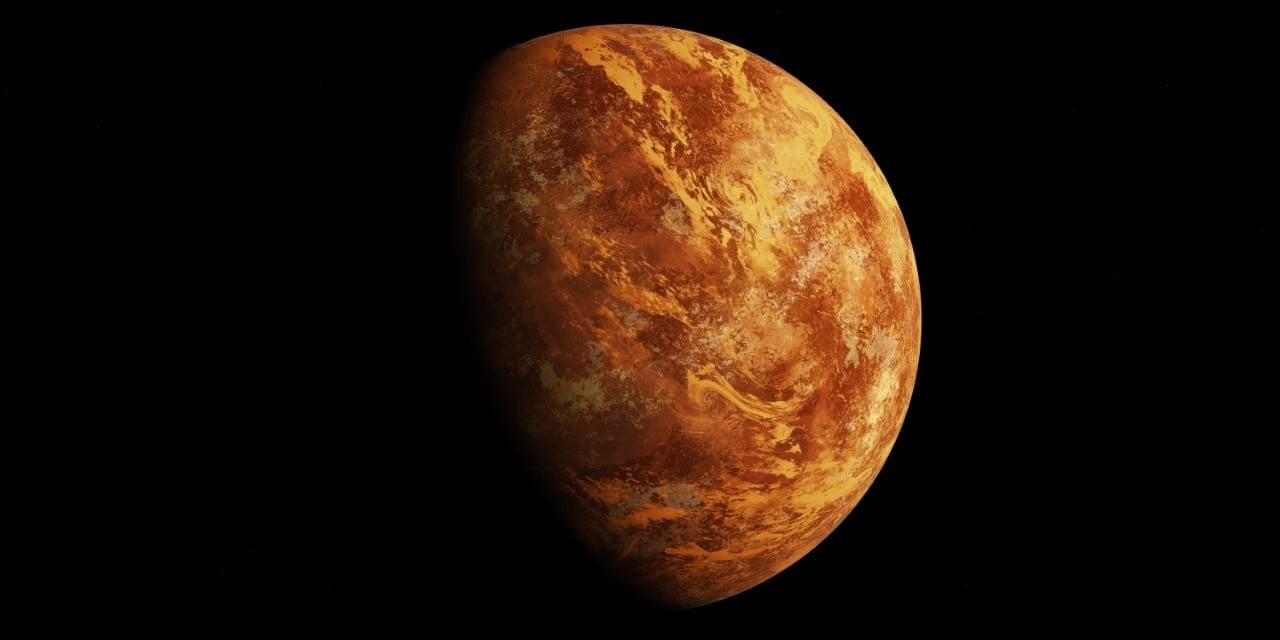
The global astronomical community is in a state of great anticipation following the confirmed discovery of twelve new exoplanets, all located in the so-called “habitable zone” of their respective stars. Esta orbital region is considered ideal for the existence of liquid water, a fundamental component for life as we know it, raising hopes in the search for extraterrestrial environments potentially capable of harboring life.
The identification of these twelve worlds represents a significant milestone, being the result of an international collaboration that involved researchers from several renowned institutions. Preliminary data indicates a wide range of sizes and masses, suggesting that both rocky planets and gas giants could form under conditions that would theoretically allow living organisms to emerge.
Subsequent observations, which are already underway, have as their main objective to characterize the atmosphere of each of these planets. Detailed analysis of their chemical compositions is the next crucial step in determining whether any of them, in fact, have the necessary conditions to sustain life, a process that will require years of intensive study and the use of cutting-edge technology.

]
The technology behind the discovery
The detection and initial analysis of these distant worlds was only possible thanks to the use of cutting-edge observation technologies, notably Telescópio Espacial James Webb (JWST) and Satélite of Pesquisa of Exoplanetas in Trânsito (TESS). TESS, operated by NASA, was responsible for monitoring the brightness of thousands of stars, identifying subtle and periodic drops of light that indicate the passage of a planet in front of its stellar disk, a method known as planetary transit. Essa technique allows estimating the size and orbital period of the exoplanet, providing the first clues to its existence and basic characteristics.
Once TESS identifies a promising candidate, James Webb’s powerful mirror and infrared instruments spring into action. JWST performs follow-up observations to confirm the planetary nature of the object and, more importantly, to perform atmospheric spectroscopy. By analyzing the light from the star that passes through the exoplanet’s atmosphere during a transit, scientists can break down this light and identify the chemical “signatures” of different gases, such as water vapor, methane and carbon dioxide, providing vital clues about the composition of the air on these alien worlds.
What defines a star’s habitable zone?
The “habitable zone”, popularly known as the “Cachinhos Dourados zone”, is the orbital band around a star where the temperatures on the surface of a planet with a suitable atmosphere could allow the existence of liquid water. Essa condition is considered essential, as water is a universal solvent that facilitates the chemical reactions necessary for life.
The location and width of this zone directly depend on the type of star. Hotter and more massive Estrelas, such as blue giants, have more distant and wider habitable zones. In contrast, cooler and smaller stars, such as red dwarfs, have much closer and narrower habitable zones.
However, the mere presence of a planet in the habitable zone is no guarantee of habitability. Outros factors are equally crucial for a world to be truly conducive to life. The stability of the orbit, the presence of a magnetic field to protect against stellar radiation, and the correct atmospheric composition to maintain stable pressure and temperature are just some of the prerequisites.
The activity of the host star also plays a key role. Muitas Red dwarfs, for example, are known to emit violent bursts of radiation that could sterilize the surface of any nearby planet, even if it is in the habitable zone. Portanto, the analysis of each system is a complex puzzle with multiple variables.
Profile of the new worlds identified
Preliminary analysis of the twelve new exoplanets reveals remarkable diversity, offering a cosmic laboratory for the study of planetary formation. Entre identified worlds, there are examples classified as “Super-Earths”, rocky planets with a mass greater than that of Terra, but significantly smaller than gas giants such as Netuno. Esses planets are of great interest to astrobiologists, as their greater mass could allow the maintenance of a denser atmosphere and greater geological activity, factors that may be favorable to life. Outros planets in the group resemble “mini-Neptunes”, worlds that have a thick layer of gas over a potentially rocky or ice core, whose surface habitability is considered unlikely. The variety of host stars, ranging from red dwarfs to Sol-like stars, also broadens the scope of the study, allowing scientists to compare how planets form and evolve in different stellar environments. Cada one of these planetary systems adds a valuable piece to our understanding of how the architecture of solar systems can vary across the galaxy, challenging and refining existing theoretical models.
The search for biosignatures in the atmosphere
The next major research challenge is the search for biosignatures in the atmospheres of these exoplanets. Bioassinaturas are gases or combinations of gases that, in Terra, are strongly associated with biological processes and whose presence would be difficult to explain solely through non-living geological or chemical processes.
One of the most sought-after biosignatures is the simultaneous presence of oxygen and methane. Individualmente, these gases can be produced by non-biological processes, but together, they react and destroy each other quickly. Encontrá them in chemical imbalance suggests that something is constantly replacing them, and in Terra, this replacement is done by life.
Other molecules of interest include water vapor, essential for life as we know it, and carbon dioxide, which may indicate the presence of an atmosphere capable of regulating planetary temperature through the greenhouse effect. Detectar these molecules is an extremely delicate task, which requires long hours of observation with telescopes like the James Webb.
Challenges and next steps in research
Confirming that a planet is in the habitable zone is just the starting point of a long journey of investigation. The atmospheric characterization process is technically challenging and consumes a significant amount of time on the world’s most advanced telescopes, which are highly sought after resources within the scientific community.
After data collection, an intense phase of analysis and computational modeling follows to interpret the light spectra and rule out possible false positives. The research team plans to submit proposals for more observation time in the coming cycles, deepening the study of the most promising candidates from this new list of twelve worlds.
Implications for modern astronomy
Each new discovery of exoplanets, especially those in habitable zones, contributes to answering one of humanity’s most fundamental questions: are we alone in the universe? Estatisticamente, the growing number of potentially habitable worlds suggests that the ingredients for life may be common on Via Láctea.
These findings are also crucial for refining theories of planetary formation. By studying the diversity of solar systems, astronomers can better understand the processes that led to the formation of Terra and why our solar system has the configuration it does. The discovery of twelve new candidates at once provides a robust set of data for comparative studies.
The importance of international collaboration
This remarkable advancement highlights the importance of scientific collaboration on a global scale. The research involved multidisciplinary teams of astronomers, physicists, chemists and engineers from different countries, who shared data, resources and knowledge to achieve a common goal, demonstrating that the exploration of the cosmos transcends national borders.