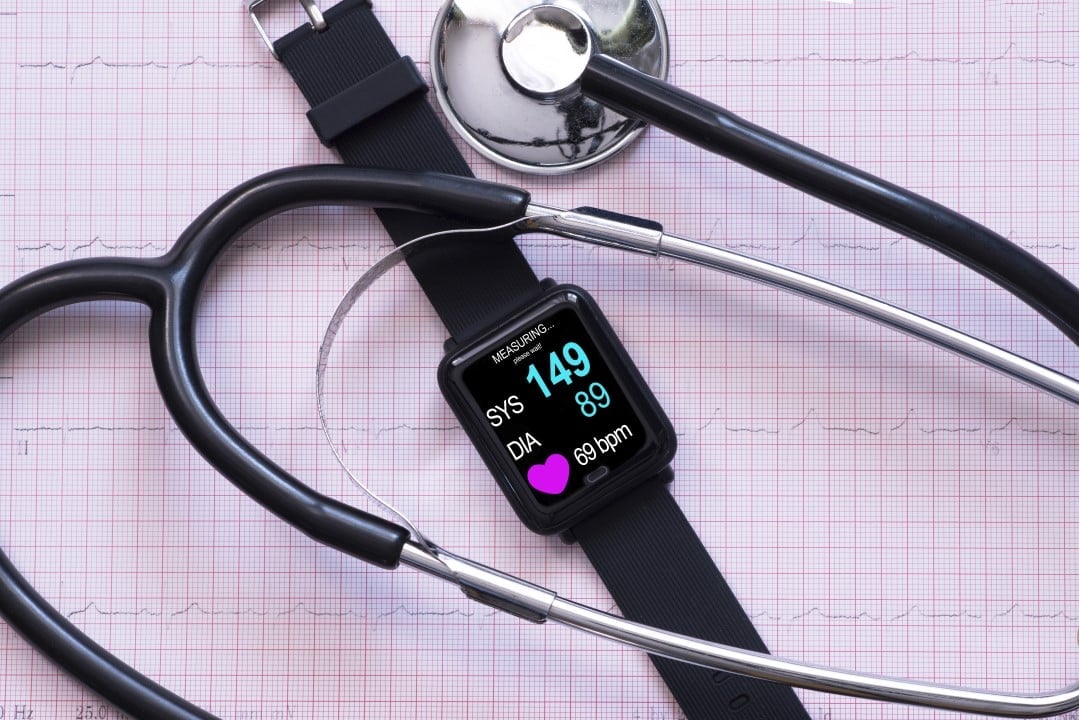
Hypertension, commonly known as high blood pressure, stands as a pervasive and often undetected global health threat, with medical experts consistently highlighting its insidious nature and the profound, silent risks it poses. The condition rarely manifests noticeable symptoms, even when arterial pressure levels are critically elevated, leading millions worldwide to live completely unaware of their dangerous internal state for extended periods. This silent progression significantly amplifies the risk of severe health complications, including debilitating heart attacks, life-threatening strokes, and irreversible kidney damage, making early detection exceedingly difficult without proactive measures. It acts as a stealthy adversary, quietly eroding cardiovascular health and often causing irreversible organ damage long before any external warning signs or discomfort emerge. This underscores the critical importance of regular blood pressure monitoring and comprehensive screening as primary intervention strategies in 2025 to counteract its pervasive and often fatal impact.
Specialists uniformly emphasize that the escalating global prevalence of hypertension is deeply intertwined with contemporary urban living patterns. The relentless pressures and modern conveniences of city life contribute substantially to its rise, creating a multifaceted public health challenge that demands urgent attention.

Understanding the precise root causes and implementing effective preventative measures are paramount as global health organizations intensify their battle against the escalating rates of cardiovascular diseases. Proactive, systemic strategies are now considered indispensable for long-term success in mitigating this silent epidemic, shifting focus from mere treatment to comprehensive prevention.
The silent progression of high blood pressure
Hypertension frequently progresses without any clear warning signs, making it particularly dangerous for affected individuals. People can maintain dangerously high readings, such as 180/120 mmHg, and still feel entirely normal, continuing their daily routines oblivious to the internal damage occurring within their bodies. This stark absence of immediate symptoms often delays diagnosis until the condition has significantly advanced, complicating treatment efforts.
When physical manifestations like shortness of breath, chronic fatigue, or unexplained swelling begin to appear, it typically signals that vital “target organs,” such as the heart or kidneys, have already sustained considerable damage. These late-stage indicators highlight the crucial need for proactive health monitoring rather than waiting for symptomatic distress, which often indicates established and potentially irreversible organ impairment, necessitating more aggressive interventions.
Debunking common myths about hypertension
A prevalent misconception links headaches directly to high blood pressure, leading many individuals to incorrectly assume a connection between the two. However, medical research consistently debunks this popular belief, affirming that headaches are not a reliable indicator of elevated blood pressure and can often be attributed to other causes. This widespread myth can mislead people, diverting attention from the true diagnostic methods required for accurate and early detection.
Studies have actually shown that the reverse correlation is often more accurate: the experience of pain itself, including a severe headache or migraine, can temporarily cause a transient spike in arterial pressure. This physiological response to discomfort should not be confused with chronic hypertension. Therefore, relying on subjective symptoms like headaches for diagnosing hypertension is misguided and can critically delay timely and appropriate medical intervention, risking long-term health. Effective diagnosis hinges solely on consistent and accurate blood pressure measurements taken over time, rather than anecdotal self-reported physical discomforts.
Urban lifestyle’s heavy toll on cardiovascular health
The rising incidence of hypertension worldwide is directly attributable to the evolving nature of contemporary life, particularly within densely populated urban settings. Health experts describe this phenomenon as a profound “maladaptation to modern urban society,” where daily habits and environmental factors inadvertently contribute to chronic health issues. This connection underscores the significant influence of our immediate surroundings on physiological well-being, demanding a critical reevaluation of our daily routines and existing societal structures.
Sedentary lifestyles, characterized by minimal physical activity, prolonged screen time, and long hours spent sitting, are a primary contributor to this escalating health crisis. This lack of movement is often coupled with diets that are increasingly rich in processed foods, high in calories, unhealthy fats, and excessive sodium, creating a perilous ground for metabolic dysfunction and weight gain. These dietary patterns accelerate the development of hypertension and related conditions.
Moreover, the relentless stress stemming from demanding work environments, financial pressures, and complex family dynamics further exacerbates the problem, triggering sustained physiological responses that elevate blood pressure and promote systemic inflammation. Chronic stress disrupts the body’s natural regulatory mechanisms, making individuals more susceptible to cardiovascular strain.
These combined lifestyle factors act synergistically, placing immense and continuous strain on the body’s vital systems. Over time, this chronic stress, unhealthy diet, and physical inactivity inevitably lead to conditions such as arterial hypertension, alongside widespread obesity, type 2 diabetes, and unfavorable alterations in cholesterol profiles, culminating in a higher risk for serious cardiovascular events.
Mandatory monitoring: 2025 guidelines for early detection
Current medical guidelines for 2025 unequivocally emphasize the critical importance of routine blood pressure screening for all adults, regardless of their apparent health status or perceived risk. Early detection through consistent and regular monitoring is universally recognized as the cornerstone of preventing the insidious silent progression of hypertension and its devastating long-term complications. Annual check-ups, even for individuals without any known risk factors or pre-existing conditions, are now strongly recommended to identify any developing issues promptly, allowing for timely intervention and better health outcomes. This proactive approach significantly shifts the paradigm towards preventative care, aiming to catch the condition before it can inflict widespread damage.
For those identified with elevated blood pressure or other relevant cardiovascular risk factors, more frequent and diligent monitoring is specifically advised, often involving systematic home blood pressure readings to provide a comprehensive and accurate picture of daily fluctuations. These proactive and personalized measures empower both patients and healthcare providers to intervene early with targeted lifestyle modifications or appropriate medication, effectively managing the condition before it leads to irreversible organ damage. This emphasizes a crucial shift towards personalized, preventative healthcare strategies designed to protect long-term well-being.
A societal call to action for prevention
Preventing hypertension in 2025 demands more than individual medication regimens; it necessitates broad societal transformations to foster healthier environments for everyone. Simply prescribing pills will not effectively reverse the deep-seated impact of lifestyle choices that have become ingrained in modern culture and economic systems. A comprehensive public health strategy must extend well beyond clinical interventions, addressing the foundational elements of community well-being.
This collective effort includes promoting widespread access to healthier lifestyles, particularly for children and adolescents, who are forming lifelong habits. Efforts should focus on integrating structured physical activity into daily routines and ensuring nutritious food options are not only available but also affordable and easily accessible across all socioeconomic strata.
Global strategies and the role of policy
Addressing the escalating global burden of hypertension necessitates robust policy interventions and unwavering international cooperation among nations. Governments and leading health organizations worldwide must proactively collaborate on comprehensive strategies that promote healthier food environments, including stringent regulations on sodium content in processed foods and clear, accessible nutritional labeling to empower truly informed consumer choices. Implementing innovative urban planning initiatives that actively encourage and facilitate active transportation, such as cycling and walking infrastructure, can also significantly impact population-level physical activity, making healthy choices easier for daily commuters. Furthermore, impactful public health campaigns need to effectively communicate the silent, often invisible, risks of hypertension and the tangible benefits of regular monitoring, reaching diverse populations through culturally sensitive and linguistically appropriate approaches. Investing significantly in primary healthcare infrastructure to ensure equitable access to screening, accurate diagnosis, and long-term management of high blood pressure is paramount for reducing the staggering global death toll directly attributed to cardiovascular diseases. These policy-driven systemic changes are essential for creating supportive environments where healthier choices become not just possible, but the default, thereby transforming public health outcomes. Such multi-sectoral approaches are critical for achieving sustainable improvements in public health and mitigating the long-term societal costs of chronic diseases. Without this comprehensive political will, individual efforts alone will prove insufficient.
Empowering youth for healthier futures
Focusing prevention efforts on children and adolescents is a vital long-term strategy in the fight against hypertension. Instilling healthy habits early in life, such as regular physical activity and balanced nutrition, can significantly reduce the risk of developing chronic diseases in adulthood. Educational programs in schools and community initiatives play a crucial role in shaping these foundational behaviors for a healthier future.
