

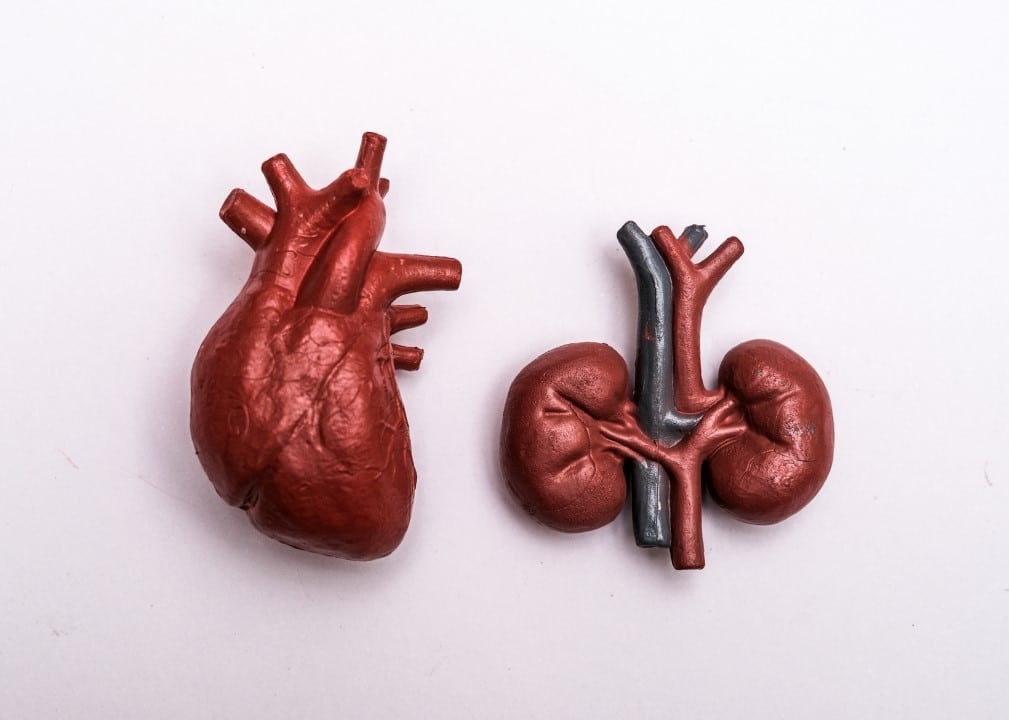
Cardiovascular-renal-metabolic syndrome, known as CKM, represents a health condition that interconnects problems with the heart, kidneys and metabolism. Relatórios updated data indicate that almost 90% of adults have at least one risk factor associated with this syndrome.
This condition progresses silently, often without obvious symptoms in the early stages. Especialistas highlight that the interconnection between obesity, diabetes, hypertension and kidney dysfunction accelerates progressive organic damage.
The warning comes from recent data that show early signs in more than 80% of young and middle-aged adults. The absence of noticeable symptoms makes early detection difficult and increases the risk of serious complications.
What characterizes CKM syndrome
CKM syndrome arises from the interaction between metabolic factors, such as obesity and insulin resistance, and cardiovascular and renal dysfunction. Esses elements reinforce each other, creating a cycle that damages blood vessels, heart and kidneys over time.

Experts define the condition in stages ranging from initial risks, such as being overweight, to established cardiovascular diseases. Progression occurs even when a person feels healthy, which makes regular checkups essential.
Most common risk factors
Several elements contribute to the development of CKM syndrome in different age groups. Entre the main ones are:
- Abdominal obesity and excessive weight gain;
- Uncontrolled high blood pressure;
- High blood glucose levels and insulin resistance;
- Changes in cholesterol and triglycerides;
- Early reduction in kidney function.
These factors often appear together in urban populations with sedentary lifestyles. The combination multiplies the risk of cardiovascular events compared to isolated factors.
A sedentary lifestyle and the consumption of processed foods worsen the situation in young adults. Estudos show that these habits initiate metabolic changes decades before severe symptoms.
Early Signs and Detection
Many individuals with CKM syndrome do not notice significant changes in their daily lives. Sintomas mild symptoms, such as easy fatigue or mild swelling, are often ignored or attributed to other causes.
Blood tests often reveal borderline values for blood pressure, blood glucose or kidney function. Esses indicators allow intervention before irreversible damage.
Regular screening from the age of 18 includes checking blood pressure, cholesterol, blood sugar and creatinine. Pessoas with a family history or overweight should undergo more frequent monitoring.
Impact on young and middle-aged adults
More than 80% of people in this age group already have early stages of CKM syndrome. The increase reflects changes in lifestyle, with more time spent on screens and less physical activity.
Risks that previously appeared after the age of 50 now appear in individuals between the ages of 20 and 40. Early insulin resistance lays the foundation for future heart and kidney problems.
Longitudinal studies confirm higher cardiovascular mortality in advanced stages of the syndrome. Early detection significantly improves survival rates.
Vicious cycle between interconnected conditions
Obesity leads to insulin resistance, which develops into diabetes and damages blood vessels. Vascular impairment affects the kidneys, reducing their filtering capacity.
Altered kidney function raises blood pressure, putting a strain on the heart. Esse continuous process accelerates the progression of CKM syndrome.
Uncontrolled hypertension contributes to arterial stiffness and increased risk of heart attack. Diabetes accelerates atherosclerosis and compromises renal microcirculation.
Prevention and practical measures
Lifestyle changes represent the main way to control CKM syndrome. Atividade regular physical exercise, even as light as daily walks, reduces the risk of progression.
A balanced diet with a reduction in ultra-processed foods improves metabolic parameters. Controle of body weight decreases systemic inflammation associated with the condition.
- Practice at least 150 minutes of moderate exercise per week;
- Prioritize whole foods, vegetables and lean proteins;
- Monitor blood pressure at home regularly;
- Avoid smoking and limit alcohol consumption;
- Carry out annual check-ups with laboratory tests.
These measures are especially effective in the early stages of the syndrome. Consistent adherence prevents progression to serious complications.
Stages of CKM syndrome
Classification into stages helps with risk assessment and intervention planning. Stage 0 indicates the absence of factors, while 1 involves excess body fat.
Estágio 2 includes metabolic risks such as diabetes or hypertension. Stage 3 presents with established subclinical kidney or cardiovascular disease.
In stage 4, serious clinical events such as heart attack or advanced renal failure occur. Progression between stages can be slowed with appropriate management.
Perspectives with early intervention
Interventions in the early stages reverse much of the damage of CKM syndrome. Controle strict control of risk factors improves heart and kidney function.
Drug treatments, when necessary, complement changes in habits. The combination significantly reduces the risk of fatal events.
Research shows greater life expectancy with early diagnosis. The integrated approach considering heart, kidneys and metabolism optimizes results.
Cardiovascular-renal-metabolic syndrome requires continuous attention from the population and health systems. Awareness of silent risks drives effective preventive actions.