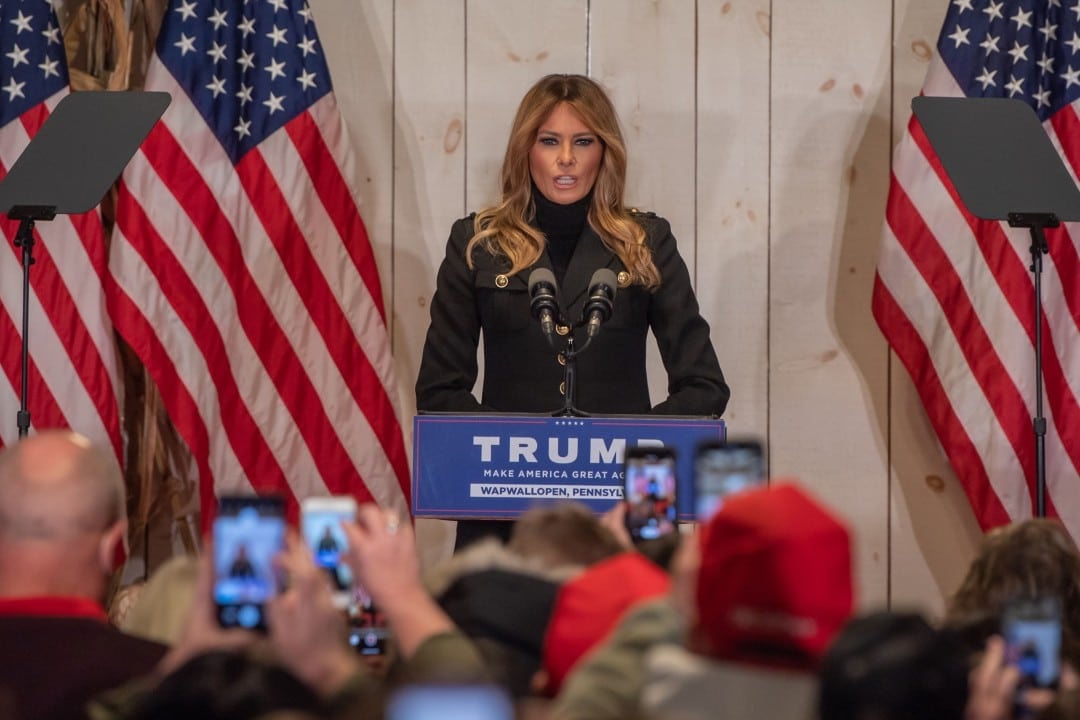
A new documentary focusing on former US First Lady Melania Trump has reportedly achieved a surprisingly robust box office performance during its initial release. This commercial success arrives despite a wave of negative reviews from film critics, who largely panned the production.
Reports indicate the film, which delves into various aspects of Trump’s public life and tenure as First Lady, is off to a substantial start. Its strong showing defies conventional wisdom regarding the influence of critical reception on audience turnout for such projects.
This unexpected theatrical debut highlights a potential disconnect between professional film critiques and public interest, particularly when the subject involves prominent political figures. The initial figures suggest a significant draw among viewers eager to watch the controversial portrayal.
Unprecedented viewership amid critical backlash
The film’s opening weekend figures reportedly surprised industry analysts, far exceeding expectations for a documentary that faced widespread critical disapproval. Many reviews highlighted perceived shortcomings in its narrative, production quality, or thematic approach, predicting a lukewarm reception from the public.
However, audience turnout proved robust, indicating that the negative press did not deter a significant segment of moviegoers. This unusual outcome suggests that certain subjects or personalities can generate immense interest independently of critical consensus, fostering a unique viewing dynamic.
Dissecting audience engagement
Analysts are now examining the demographic and psychological factors driving this unexpected viewership. It is likely that the film attracted a dual audience: dedicated supporters of Melania Trump eager for a sympathetic portrayal, and those simply curious about the life of a public figure often subject to intense media scrutiny.
The enduring power of celebrity and political affiliation appears to outweigh expert opinions in specific niches of the entertainment market. This phenomenon is not entirely new, but the scale of the Melania Trump documentary’s success, juxtaposed with its critical drubbing, offers a compelling case study.
Furthermore, the documentary’s narrative, rumored to offer an intimate look into her private and public roles, likely provided an appealing hook. Its promotional materials may have successfully targeted specific segments of the population looking for a particular perspective on her time as First Lady.
The narrative of Melania Trump
Melania Trump’s public persona has consistently intrigued a global audience, balancing moments of high visibility with a notable degree of privacy. This documentary taps into that persistent curiosity, promising insights into a life largely lived in the public eye yet often perceived as enigmatic.
The film appears to have skillfully capitalized on pre-existing public interest, whether driven by admiration, political alignment, or simple fascination. Viewers might be drawn by the opportunity to form their own opinions, potentially bypassing the filter of mainstream critical assessment.
Specific themes explored within the documentary, such as her journey from Slovenia to the White House, her fashion choices, or her “Be Best” initiative, likely resonated with various audience segments. These elements, if presented effectively, could explain the significant viewership.
The film’s presumed ability to present a cohesive and engaging narrative, irrespective of critical appraisal, underscores its popular appeal. It navigates a complex public figure’s life, transforming it into a compelling cinematic experience for many.
Box office trends for political documentaries
Historically, political documentaries tend to cater to niche audiences, rarely achieving widespread commercial success comparable to mainstream feature films. Their box office performances are typically modest, often relying on film festivals and limited theatrical runs before finding a wider audience through streaming platforms.
The Melania Trump film’s performance marks a significant deviation from these established trends, challenging assumptions about the commercial viability of political biographies. Its strong debut suggests a potential shift in how audiences engage with and seek out non-fiction content, particularly when it touches on recent or controversial political events.
The impact of controversy on film promotion
Paradoxically, the very criticisms leveled against the documentary may have inadvertently boosted its public profile and draw. Negative publicity, while damaging in some contexts, can sometimes generate significant buzz, transforming a film into a talking point even among those who might not typically seek out such content. This phenomenon, often termed “controversy marketing,” thrives on public debate and media attention, regardless of its positive or negative nature. The intense discussions surrounding the film’s quality and subject matter likely served as an organic promotional campaign, compelling curious viewers to form their own conclusions at the box office.
Public interest in presidential figures’ spouses
There is a long-standing fascination with the spouses of US presidents, who often occupy a unique position in public life. Melania Trump’s tenure as First Lady was no exception, characterized by intense media scrutiny and public discourse. This documentary taps into that enduring interest, providing a focal point for narratives surrounding a key figure in recent American political history.
Beyond the numbers
The unexpected commercial triumph of the Melania Trump documentary, despite its critical panning, carries broader implications for the film industry. It reinforces the idea that audience preferences are diverse and not always aligned with expert reviews, particularly in politically charged or personality-driven content. The film’s journey from critical disdain to popular appeal will likely serve as a significant example for future documentary filmmakers and distributors navigating the complexities of public taste and media influence.
