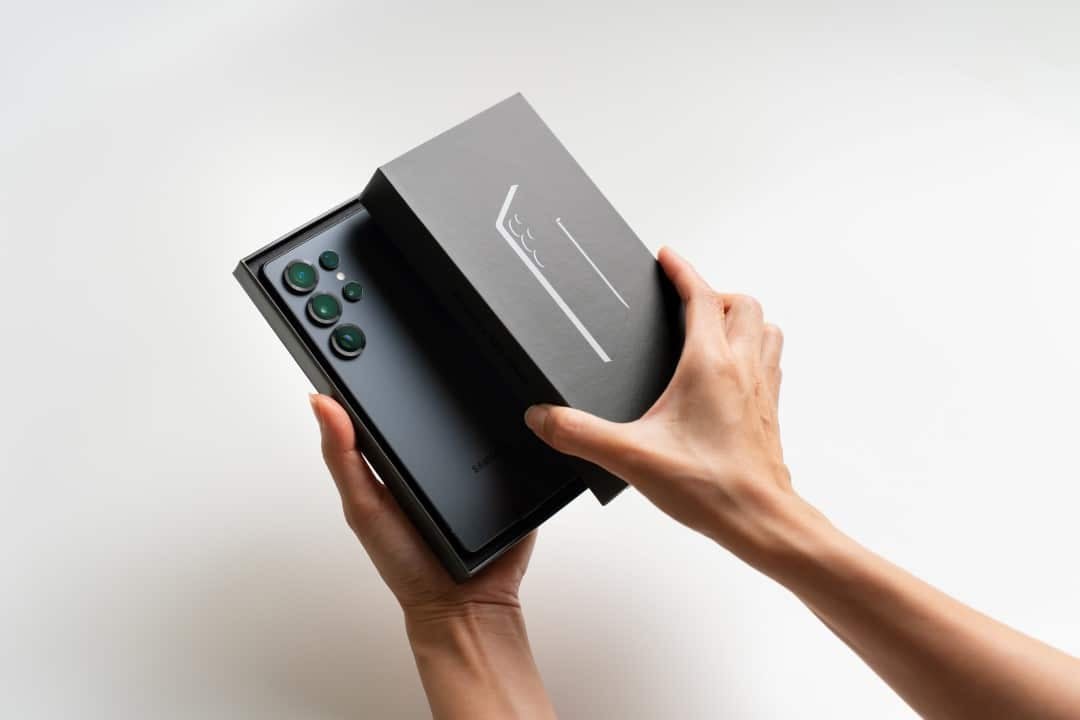
Samsung chose to maintain the 5000 mAh battery capacity in the Galaxy S26 Ultra, as indicated by leaks published in recent days. Essa decision represents continuity in relation to previous models in the South Korean company’s premium line. The leaks also indicate that the manufacturer will not adopt silicon-carbon battery technology in its main flagship in 2026.
The rumors emerged from sources specializing in mobile devices, including official images and detailed technical specifications. The lack of significant advances in energy autonomy may impact the expectations of users who follow the evolution of Android smartphones. The launch of the Galaxy S26 line is scheduled for the end of February 2026.
Industry experts highlight that the choice of Samsung prioritizes stability and reliability over greater capabilities offered by competitors. The company remains focused on software optimization and energy efficiency to compensate for stationary capacity.
Battery capacity leaks
Recent publications revealed that the Galaxy S26 Ultra will arrive with a 5000 mAh battery, the same as the one found in the Galaxy S25 Ultra. Essa information comes from certifications and analyzes of internal components published by specialized portals.
Capacity is maintained even with the adoption of more efficient processors, such as the expected Snapdragon 8 Elite Gen 5 or Exynos 2600. The
Another point highlighted in the leaks involves charging speed, which can reach up to 60 W in some markets. Essa update represents an increase over the 45 W of current models and helps reduce complete recharge time.
Silicon-carbon technology explained
Several Android manufacturers have implemented silicon-carbon batteries starting in 2025, enabling larger capacities without a significant increase in physical size. Essa technology replaces part of the traditional graphite with silicon in the anode, increasing energy density.
Models of the Honor and Xiaomi achieved extended autonomy, with some devices exceeding two days of moderate use. The silicon-carbon composition also favors faster charging due to greater conductivity.
However, the material presents known technical challenges. Silicon expands considerably during the charge cycle, which can reduce battery life over time if not well controlled.
Engineers mitigate these effects with protective layers and limitations on the percentage of silicon used. Mesmo therefore, the technology still requires refinements for large-scale global applications.

Reasons for caution from Samsung
Samsung adopts a conservative stance regarding new battery compositions since past incidents with previous models. The company prioritizes extensive testing to prevent security risks in mass-market premium devices.
As a global leader in the Android market, any durability or stability issues would directly affect the brand’s reputation. The manufacturer invests in its own research into advanced materials, but applies gradual changes to flagships.
The current strategy combines traditional batteries with hardware and software optimizations. Recursos artificial intelligence helps predict usage patterns and adjust energy consumption in real time.
Updated design and dimensions
Official renders released show the Galaxy S26 Ultra with more rounded edges and thickness reduced to 7.9 mm. Essa decrease is compared to the 8.2 mm of the predecessor and uses techniques developed for recent folding models.
The device measures 163.6 x 78.1 x 7.9 mm and has a 6.9-inch Dynamic AMOLED screen with QHD+ resolution. The thinner construction does not compromise battery capacity thanks to internal component rearrangements.
- Display: 6.9 inches Dynamic AMOLED 2X
- Resolution: QHD+ with variable refresh rate from 1 to 120
- Protection: Gorilla Glass updated with greater resistance
- Weight: Levemente reduced compared to the previous model
The camera module adopts a pill shape, similar to that seen in the brand’s foldable devices. Essa change improves ergonomics and better distributes the weight of the optical assembly.
Photographic set confirmed
The Galaxy S26 Ultra’s camera system maintains high-resolution sensors with minor optimizations. The main sensor continues with 200 megapixels, accompanied by advanced telephoto lenses.
Configuration includes:
- Main camera: 200 MP with improved optical stabilization
- Ultra-wide: 50 MP for wide captures
- 3x telephoto: 10 MP
- 5x periscopic telephoto lens: 50 MP
The improvements focus on image processing via artificial intelligence. Recursos with continuous zoom up to 25x and 8K recording gain refinements for greater quality in varied conditions.
The front camera must maintain high resolution with fast autofocus. Atualizações of software promises new night modes and integrated editing tools.
Comparison with main competitors
Chinese manufacturers have advanced the implementation of silicon-carbon batteries in 2025 and early 2026. Modelos and Honor have achieved capacities exceeding 6000 mAh in thin bodies, offering extended autonomy.
The Xiaomi also incorporated the technology into premium lines, combining it with ultra-fast charging above 100 W. Esses devices stand out in battery life tests under intense use.
The Samsung differentiates itself by the deep integration between hardware and software in a global ecosystem. Recursos as DeX, continuity with other Galaxy devices, and long OS upgrades compensate for differences in raw capacity.
Other brands like OnePlus and Oppo are following similar paths with advanced batteries. The Android market presents varied options for different consumer priorities.
Preparation for official launch
Samsung plans event Unpacked for the end of February 2026, probably on February 25th. Presentation must take place in San Francisco and reveal the entire Galaxy S26 line, including standard and Plus versions.
Pre-sales begin shortly after the announcement, with deliveries scheduled for March. The company often offers gifts and discounts on exchanges to encourage early sign-up.
Additional specifications include:
- RAM memory: Até 16 GB LPDDR5X
- Storage: Opções from 256 GB to 1 TB
- Connectivity: Wi-Fi 7 and advanced 5G
- Resistance: Certificação IP68 maintained
The lineup arrives with One UI based on latest Android, bringing exclusive Galaxy AI features. Ferramentas productivity and customization receive significant updates.
The Galaxy S26 Ultra is positioned as a premium option for demanding users. The combination of large screen, versatile cameras and refined construction meets demands of mobile and multitasking photography.
The battery decision reflects Samsung’s long-term strategy. The company continues to develop its own technologies while observing the maturity of alternative solutions on the market.
Interested consumers are watching the next official announcements. Mais details on pricing and regional availability emerge in the weeks leading up to launch.
