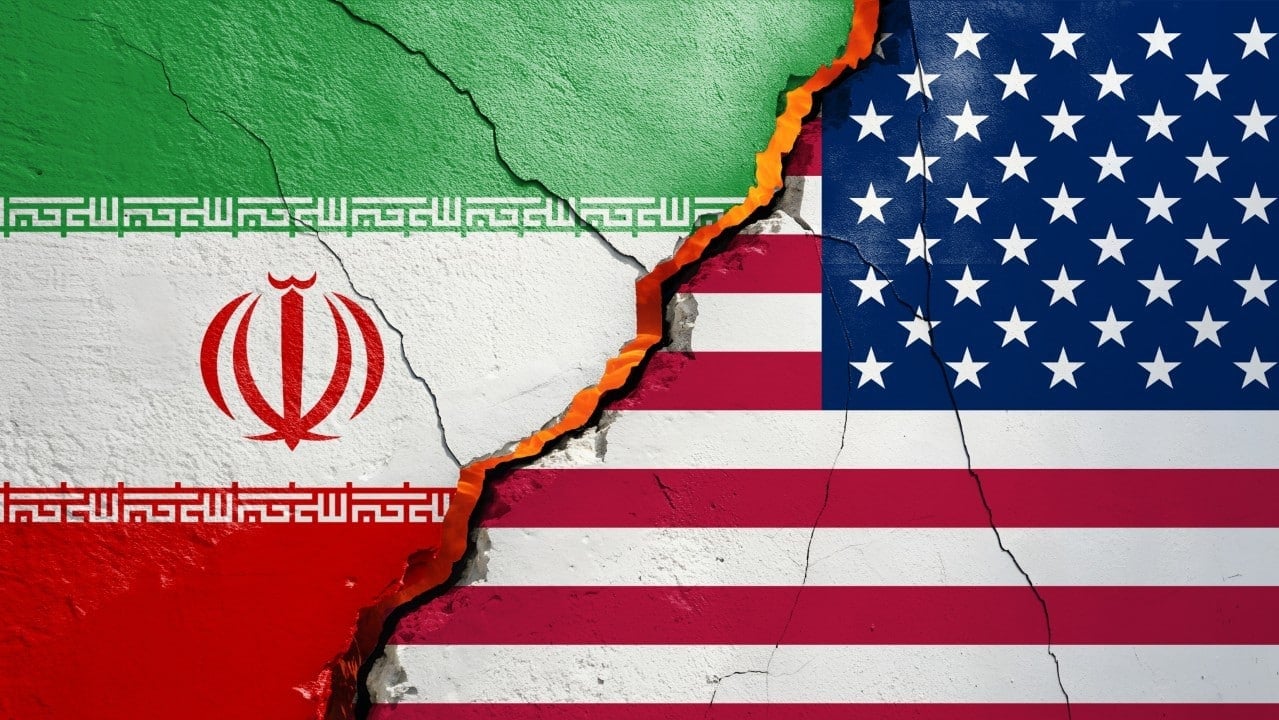
US and Iran officials eye direct talks for diplomatic breakthrough amid regional fears
Top officials from the United States and Iran are reportedly poised for a potential meeting in the coming days, signaling a significant diplomatic opening amidst escalating regional tensions. This development, confirmed by Iranian state media on Monday, October 2, 2025, comes as fears of a broader conflict in the Middle East persist, making any direct engagement between the two adversaries particularly noteworthy. Such a high-level dialogue could mark a pivotal moment in efforts to de-escalate a volatile situation that has seen military posturing and indirect confrontations throughout the year.
The semi-official ISNA news agency, citing unidentified sources, indicated that negotiating delegations from both the Islamic Republic of Iran and the United States are expected to hold discussions. This potential gathering emerges after a period of heightened friction, where both sides have publicly maintained firm stances while also hinting at a willingness for dialogue. The prospect of direct talks offers a glimmer of hope for a diplomatic resolution to complex issues that have long strained bilateral relations.
Diplomatic overture
The proposed talks, if they materialize, would be led by Iran’s Foreign Minister, Abbas Araghchi, and Steve Witkoff, the special envoy for US President Donald Trump. Their engagement would represent a direct line of communication between two nations that frequently exchange heated rhetoric but rarely sit at the same table. The potential for such a meeting underscores the urgent need to find common ground and prevent further destabilization in a region already grappling with numerous challenges.
According to ISNA, the Republic of Türkiye could host these crucial discussions, with Turkish Foreign Minister Hakan Fidan participating. The involvement of Türkiye as a neutral facilitator highlights the international community’s interest in fostering dialogue and de-escalation between Washington and Tehran. This trilateral arrangement could lend critical support and legitimacy to any negotiations that take place.
Broader context of renewed tensions
The backdrop to these potential talks is a year marked by significant geopolitical shifts and military confrontations. Tensions between the US and Iran escalated sharply in early 2025 following a crackdown on anti-government protests across Iran. These demonstrations, fueled by widespread discontent over economic conditions and government policies, drew strong condemnation from the United States and its allies, further exacerbating an already fragile relationship.
President Donald Trump repeatedly warned Iran of severe consequences should the regime violently suppress its citizens, asserting that the US was “ready and armed” to respond with “full force.” During these protests, human rights groups reported over 5,000 casualties and a nationwide internet shutdown, intensifying international scrutiny and calls for diplomatic intervention. The ongoing political instability within Iran adds another layer of complexity to any diplomatic engagement with external powers.
Previous negotiation efforts in 2025
Earlier in 2025, specifically in April and May, Iran and the US engaged in several rounds of indirect nuclear negotiations. These talks, aimed at reviving a nuclear accord, showed tentative signs of progress before being abruptly halted. However, a surprise Israeli attack in mid-June led to the immediate cancellation of subsequent planned discussions.
Days following the Israeli strike, the United States launched its own attacks on Iranian nuclear facilities. These actions effectively terminated the nascent negotiation process, plunging the relationship into a deeper state of distrust and hostility. The recent history of failed and interrupted talks underscores the high stakes involved in the newly proposed diplomatic efforts.
Iran’s stance on diplomacy and threats
Foreign Minister Araghchi, maintaining a cautiously optimistic tone, has publicly affirmed Iran’s readiness for diplomacy. In a separate Telegram post, he reiterated this commitment but issued a clear warning against “threats, intimidation, and pressures,” stating that genuine talks could only proceed “in conditions in which threats and demands are left aside.” This conditional openness reflects Iran’s desire to engage from a position of perceived strength rather than submission.
Araghchi also emphasized the preparedness of Iran’s Armed Forces, asserting their capability to respond “immediately and powerfully” to any aggression. This includes any threats against Iranian territory, airspace, or waters. Such statements highlight the delicate balance Iran seeks to strike between projecting military readiness and signaling diplomatic availability, a strategy aimed at deterring aggression while keeping channels open.
Military posturing and regional stability
The ongoing tension is further complicated by a significant increase in the American military presence in the region. President Trump previously announced the deployment of a “large fleet,” including the aircraft carrier USS Abraham Lincoln and F-35 fighter jets, as a deterrent against Iranian actions. This substantial military buildup serves as a constant reminder of the potential for miscalculation and escalation.
Meanwhile, Iranian officials have consistently rejected the notion of negotiating under duress. This firm stance on not capitulating to threats is a cornerstone of their foreign policy, making the upcoming potential talks particularly challenging. The interplay between military might and diplomatic overtures defines the current volatile dynamic between Tehran and Washington.
Path forward and key challenges
* Trust deficit: Decades of animosity and recent military exchanges have severely eroded trust between the two nations, making sincere and productive dialogue difficult.
* Nuclear ambitions: A central sticking point remains Iran’s uranium enrichment program, with the US demanding curbs while Iran insists on its right to peaceful nuclear technology.
* Regional proxies: Both countries support opposing factions in regional conflicts, adding layers of complexity to any broader diplomatic agreement.
* Domestic pressures: Both leaders face domestic political pressures that could influence their flexibility in negotiations, potentially limiting the scope of any breakthroughs.
The upcoming discussions represent a fragile opportunity for de-escalation. Success hinges on a mutual willingness to compromise and an understanding that continued confrontation carries severe risks for global and regional stability. The world watches keenly to see if diplomacy can, this time, prevail over entrenched hostilities.
US Iran talks, Middle East diplomacy, regional tensions, Donald Trump Iran, Abbas Araghchi, Iran US relations 2025, nuclear negotiations