

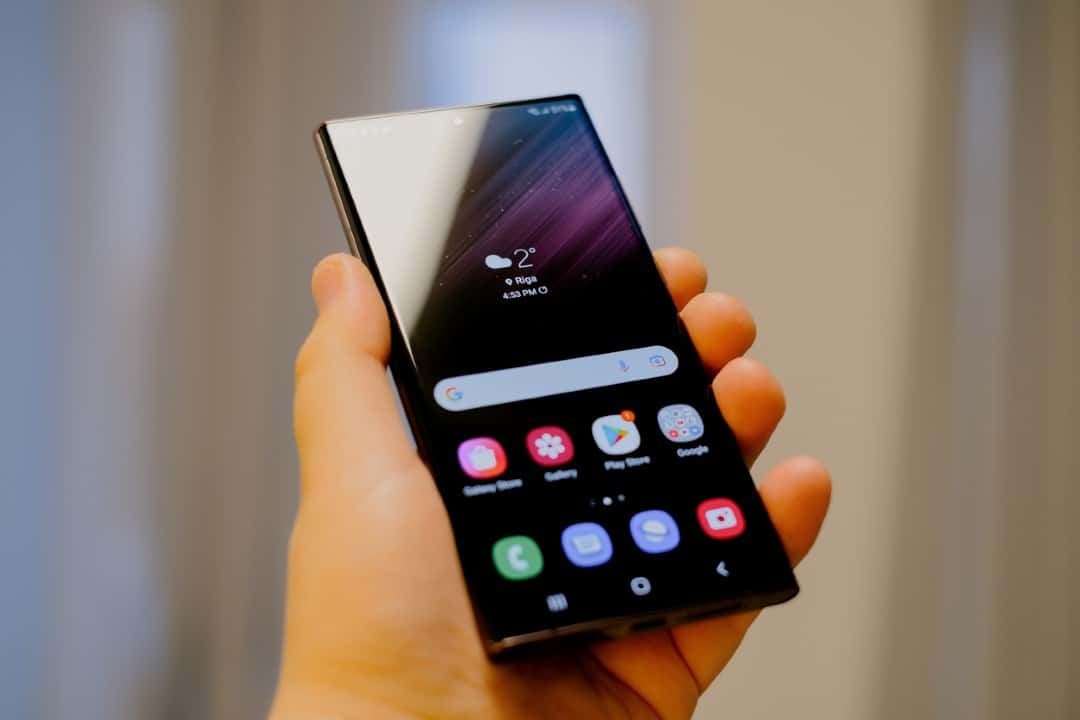
The Galaxy S22 series, launched by Samsung in 2022 with the Android 12, is officially at a later stage in its lifespan, as the manufacturer has downgraded the lineup to only receive quarterly security updates. Este move signals a significant change in support policy for the Galaxy S22, S22 Plus and S22 Ultra models, which previously enjoyed monthly security packages. The change directly impacts owners of these devices, who will now have a longer period between each crucial update.
The transition to less frequent update cycles means that these smartphones have lost the privileged status shared with the South Korean brand’s most recent devices. Para users, this means a decrease in the regularity with which new vulnerability fixes and performance improvements are delivered, requiring increased attention to digital security. Samsung, with this decision, indirectly guides consumers towards the newer generations of their devices.
Transition to quarterly updates

Samsung’s decision to move the Galaxy S22 series to a quarterly update regime marks a natural stage in the life cycle of electronic devices, but one that always generates discussions among consumers. The line’s devices, which hit the market with great prominence due to their specifications and innovations, are beginning to show the first signs of the end of their more robust support. The Esta transition had already been observed in the brand’s previous lines, such as the Galaxy S21, and follows an industry standard.
The January security package has already been distributed for the S22 line in several markets, indicating that the next update should take place in around three months. Este quarterly schedule will remain until the “definitive retirement” of the devices, scheduled for 2027.
The future of software and user security
With the change in the update cycle, the expectation is that the Galaxy S22 models will not receive new versions of the Android operating system. The forecast indicates that One UI 8.5 will be the last major interface update, marking the end of support for Android 16 for these devices. Esta software limitation means that users will not have access to the latest innovations in the Google operating system, as well as possible performance optimizations and features introduced in future versions.
The reduced frequency of security updates requires users of the Galaxy S22 series to adopt more cautious browsing practices and pay extra attention to suspicious applications and links. Exposure to new cyber threats is likely to increase as vulnerabilities discovered in newer versions of Android are not patched on older devices as quickly. Portanto, constant vigilance and the use of additional security tools, such as antivirus, become even more relevant to maintain data integrity and privacy.
Impact on the market and incentive to update
The policy of downgrading smartphone lines to less frequent updates is a common strategy in the technology sector, serving as an “invitation” for consumers to consider switching to newer models. In the case of the Galaxy S22 series, the announcement coincides with the launch of new generations of devices, such as the expected Galaxy S26 line or even the S25, which offer not only more powerful hardware, but also an extended software support cycle and access to the latest innovations.
For the smartphone market, this dynamic drives sales of new models and keeps the device ecosystem in constant renewal. Contudo, for consumers, the decision to replace a device that still works perfectly, but with limited software support, can raise questions about cost-benefit and sustainability. Samsung, by communicating these changes, provides clarity about the future of devices, allowing users to plan their next technology purchases.
End-of-life details
The expected full end of software support for the Galaxy S22 series in 2027 follows a timeline established by Samsung for its high-end devices. Essa date marks the point at which the manufacturer will no longer provide any updates, whether security or system. Este scenario requires owners to consider the options available to ensure continued usability of their smartphones or to undertake a planned transition to a new device.
The lack of support after 2027 implies that any security flaws discovered after that date will not be fixed by Samsung, significantly increasing the risks of cyber attacks and personal data compromise. Além Additionally, compatibility with new applications and services may be affected, limiting the functionality of the device. The useful life of a modern smartphone, especially a high-end one, is largely determined by the duration of its software support, which ensures its security and relevance in the digital ecosystem.
Prevention and next steps for users
Given the reduced support scenario, it is essential that users of the Galaxy S22 line prepare for the security and functionality implications. Adopting preventative measures is the best way to mitigate the risks associated with reduced updates. Knowledge about the end of life cycle allows informed decisions to be made, whether continuing use with additional precautions or seeking a hardware upgrade.
Some recommended actions include:
Samsung continues to offer newer models with promises of extended support, aiming to meet the demands for longevity and security that consumers expect from their smartphones. The Galaxy S22 series, although still functional, enters a new phase that highlights the importance of always being aware of electronic device update policies.