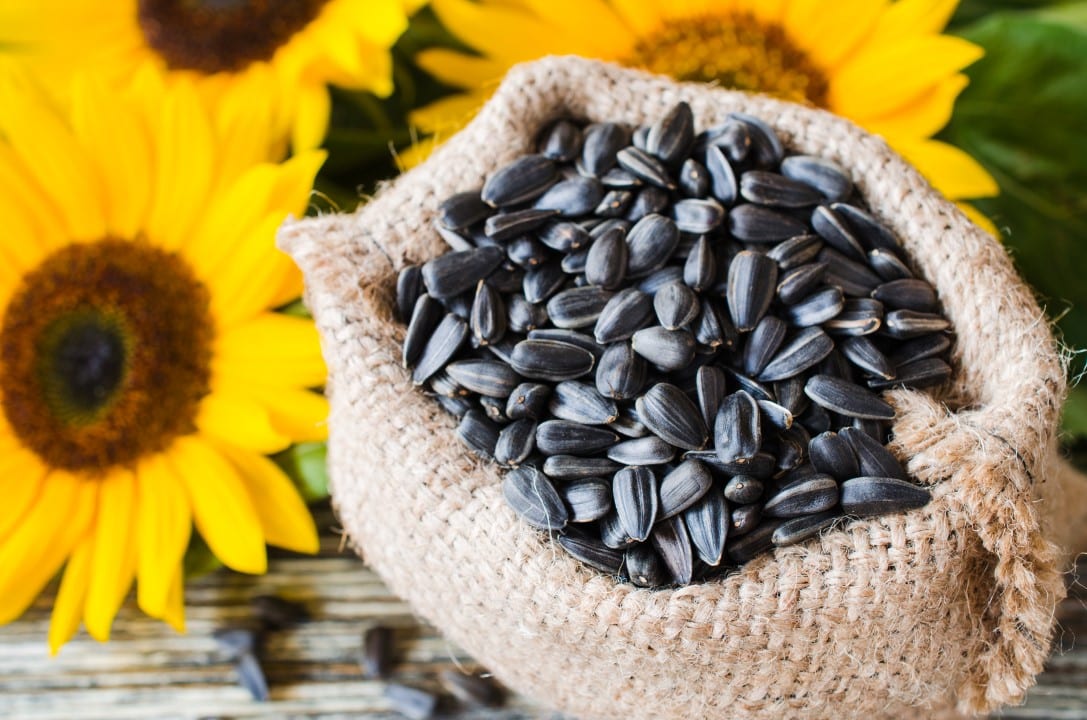
A precautionary measure was taken at Alemanha after elevated levels of aflatoxin were detected in a batch of black sunflower seeds. The company Göral Vertriebs GmbH has initiated a voluntary recall of the Dolunay Ay Cekirdegi brand product, specifically the 150-gram packages, toasted and savory. The action aims to protect the health of consumers from a potentially dangerous toxin.
The contamination was identified during routine checks by the company itself, which promptly notified the competent authorities. The recall, which began in early February, covers a specific batch, and the company ensures that other products in the same line were not affected by the problem. Returning the item guarantees a full refund at points of sale.
Aflatoxins are toxic substances produced by fungi that can develop in grains and seeds, especially under inadequate storage conditions. Exposure to this toxin is associated with serious health risks, including liver damage and carcinogenic potential, justifying the rapid withdrawal of the product from the market.
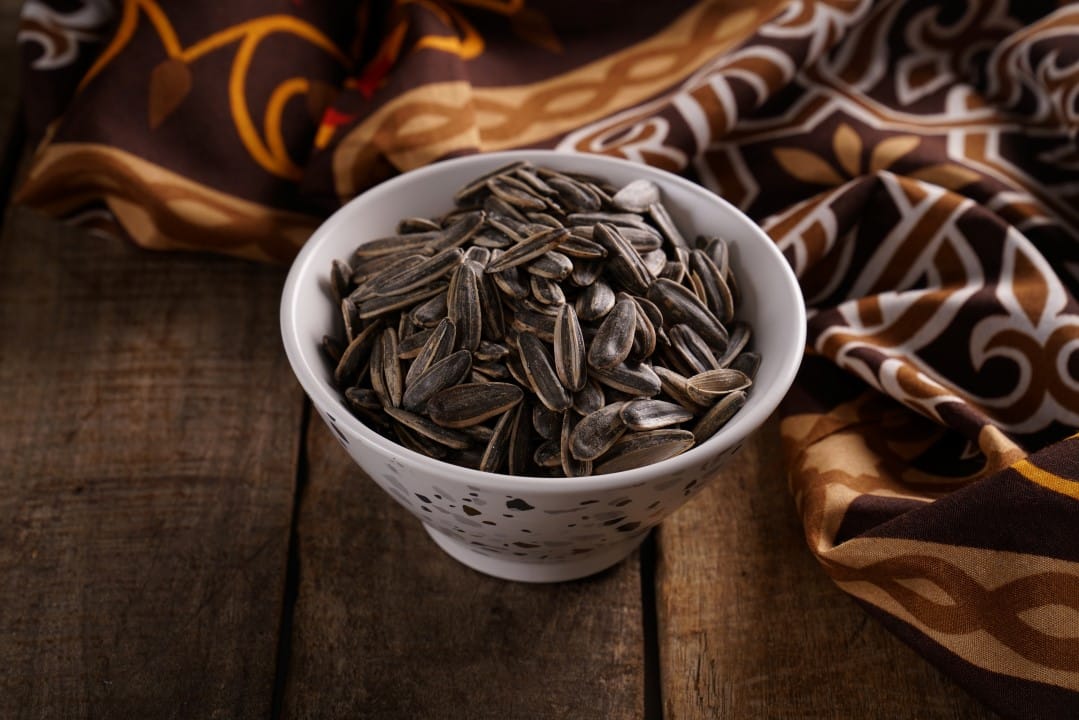
Recalled product details
Göral Vertriebs GmbH, based in Wuppertal, has detailed item information to make identification easier for consumers. The recall exclusively affects the product “Dolunay Accurate identification is essential to avoid inadvertent consumption of the contaminated batch.
Consumers should check the batch number L21402706 and the expiration date, marked as May 7, 2027, printed on the packaging. The company reinforces that any other batch or variation of the Dolunay brand product does not present risks and can be consumed safely. The measure is restricted and focused on containing the specific problem detected in laboratory analyses.
Immediate actions by Göral Vertriebs GmbH
Shortly after confirming the contamination, the company activated its crisis and food safety protocols. Communication with the public was carried out through the official Alemanha food alert portal, lebensmittelwarnung.de, ensuring wide dissemination of information and transparency in the process.
In addition to withdrawing the batch from the market, Göral Vertriebs GmbH intensified quality controls throughout its production chain. Isso includes carrying out more frequent analyzes in internal and external laboratories to monitor the presence of mycotoxins in other raw materials and finished products.
The company has also begun a complete review of its sunflower seed suppliers. The objective is to identify the exact origin of the contamination to implement corrective measures and prevent the problem from recurring in the future, reinforcing its commitment to consumer safety.
Aflatoxin: the dangers of the invisible toxin
Aflatoxins are mycotoxins produced by species of fungi of the genus Aspergillus, mainly Aspergillus flavus and Aspergillus parasiticus. Esses fungi proliferate in hot and humid conditions, contaminating crops before or after harvest, as well as during storage. Alimentos such as peanuts, corn, tree nuts and oilseeds are particularly susceptible. Aflatoxin B1, the most common and potent variant, is classified by Agência Internacional of Pesquisa in Câncer (IARC) as an Chronic exposure, even at low doses, can lead to serious liver damage, such as cirrhosis and liver cancer. In acute cases of high exposure, aflatoxicosis can cause vomiting, abdominal pain, seizures and even death. Because it is odorless, tasteless and heat resistant, the toxin is not eliminated by common cooking processes, making preventive control in the production chain the only effective way to protect public health.
Recall history and brand reputation
This is not an isolated incident for Göral Vertriebs GmbH. Essa recurrence puts the effectiveness of your quality control processes under scrutiny from both regulatory authorities and consumers. The company, specialized in the import and distribution of food products of Turkish and Eastern European origin, has a portfolio in which roasted seeds and nuts represent a significant portion, items that require rigorous monitoring.
Given this history, the company has publicly stated that it is making significant investments to improve its food safety systems. Measures include modernizing laboratories, training teams and implementing more rigorous audits of suppliers at origin. German health authorities continue to closely monitor the company’s operations, requiring periodic compliance reports to ensure that corrective actions are effective and sustainable in the long term, aiming to restore market confidence in its products.
Essential recommendations for consumers
The main guidance for those who purchased lot L21402706 of Dolunay sunflower seeds is to immediately stop consumption and safely dispose of the product. Returning to the point of purchase is recommended for a refund, a process that generally does not require presentation of the invoice. If you have any questions, the company or supermarket customer service channels can provide additional information.
Food alert system at Alemanha
The German food safety system is considered one of the most robust in the Europa. The lebensmittelwarnung.de platform is a central tool in this mechanism, jointly operated by the Escritório Federal from Proteção to the Consumidor and Segurança Alimentar (BVL) and the authorities of the federal states.
When a company or an official inspection identifies a risk in a product, the information is entered into the system and distributed in near real time. Isso allows consumers, retailers and the media to access alert details, including product name, batch, recall reason and guidance.
System agility is crucial to quickly contain the distribution of potentially dangerous items. European legislation obliges companies to notify authorities of any detected risk, ensuring that the primary responsibility for product safety lies with the manufacturer.
This portal not only informs about recalls, but also educates the public about different types of food risks, from microbiological contaminations, such as Salmonella, to the presence of undeclared allergens or chemical substances such as aflatoxins, strengthening the food safety culture in the country.
