The Brazilian Supreme Federal Court (STF) is currently engaged in a significant discussion regarding a new code of ethics, aiming to enhance judicial integrity as the judiciary resumes its activities in early 2025. This initiative brings a renewed focus on internal regulations and public trust within the highest judicial body.
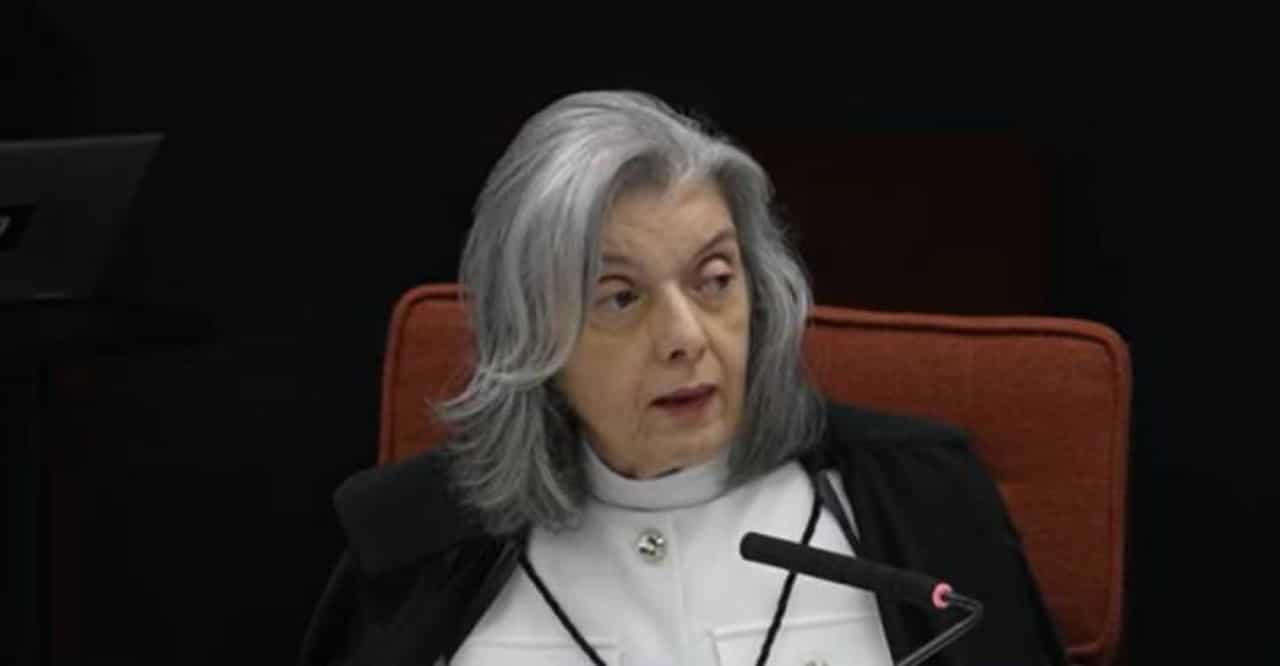
Central to this debate is the recent decision by STF President, Minister Edson Fachin, to appoint Minister Cármen Lúcia as the rapporteur for the proposed conduct code. This assignment has sparked varied reactions among commentators, highlighting diverse perspectives on judicial oversight and the role of the chosen rapporteur.

Prominent voices, including commentators Helio Beltrão and Alessandro Soares, have weighed in on the implications of this development. Their public discourse underscores the critical importance of impartiality and transparency within the nation’s highest judicial institution.
The ethics code initiative and judicial independence
Alessandro Soares strongly supported Minister Cármen Lúcia’s appointment, highlighting her “very strong independence and autonomy” demonstrated throughout her STF career. He emphasized these qualities as crucial factors for Minister Fachin’s selection, signaling a strategic choice for this significant mission to craft new guidelines.
Soares further defended the necessity of responsibly elaborated norms, acknowledging a “legitimate concern” among ministers regarding conduct standards. This perspective suggests internal regulations must be carefully balanced for effectiveness, ensuring they enhance judicial integrity without unduly hindering the essential functions of the court.
Criticisms regarding ministerial conduct
In contrast, Helio Beltrão demanded “control and oversight norms with teeth, not these toothless attempts at a code of conduct.” He expressed skepticism about the efficacy of past self-regulation efforts, advocating for more robust and enforceable guidelines to prevent perceived abuses.
Beltrão specifically criticized what he termed the “shameful proximity of ministers with individuals and matters judged by themselves.” He argued that such interactions undermine core constitutional principles, including morality, administrative probity, and impartiality, which are foundational to judicial integrity.
These remarks reflect a prevalent public sentiment regarding accountability within the highest court. The call for tangible measures aims to restore and maintain public confidence in the STF’s ethical rigor and transparency, addressing concerns about perceived conflicts of interest.
Legislative agenda and 2025 electoral outlook
As the legislative year commenced in early 2025, several key agendas have re-entered federal debate in the Brazilian Congress. These include ongoing discussions around the CPMI of the INSS, proposed changes to the 6×1 work schedule, regulation of app-based labor, and the implications of the Banco Master case.
Helio Beltrão voiced concerns over what he perceived as “submission” within the Senate to the Supreme Federal Court. He critically observed the legislative body’s apparent reluctance to challenge judicial decisions, suggesting a lack of assertive checks and balances against the STF’s actions.
The commentator’s analysis pointed to a continued subservience, implying that significant issues occurring within the Court might go unaddressed due to legislative inaction. This dynamic, Beltrão argued, potentially impacts the fundamental separation of powers essential for democratic governance.
Conversely, Alessandro Soares highlighted the significant influence of the upcoming 2026 electoral year on congressional dynamics. He noted that members are strategically calculating reelection prospects, shaping their political alliances and legislative priorities based on potential candidacies and bloc formations across the federal landscape.
International relations: Bachelet’s UN candidacy
In international diplomacy, Chile, in conjunction with Brazil and Mexico, jointly presented former Chilean President Michelle Bachelet’s candidacy for the position of Secretary-General of the United Nations. This collaborative initiative aims to elevate a prominent regional figure onto the global stage.
Helio Beltrão critiqued President Luiz Inácio Lula da Silva’s role in this endeavor, asserting that Lula is “trying to capture the UN as part of his strategy to strengthen the Global South and weaken US hegemony.” Beltrão, however, questioned the overall impact, characterizing the UN as “increasingly irrelevant in results,” while Alessandro Soares lauded the choice as a “high-level candidacy,” praising Brazil’s active engagement.
The path to a robust conduct standard
The ongoing discussions surrounding the STF’s new code of ethics represent a critical juncture for Brazil’s judicial system, underscoring the delicate balance between internal self-regulation and external demands for accountability. The appointment of Minister Cármen Lúcia, known for her independent stance, signals a commitment from the STF presidency to address these concerns seriously, while also navigating the complexities of implementing standards that are both effective and fair. The challenge lies in crafting a code that possesses the “teeth” advocated by critics like Beltrão, ensuring concrete mechanisms for enforcement and oversight, rather than merely superficial guidelines. This requires not only defining ethical boundaries but also establishing clear processes for addressing violations, thereby bolstering public trust and reinforcing the institutional integrity of the Supreme Court against perceptions of impropriety and political entanglement.
Shaping judicial integrity
Ultimately, the successful implementation of a comprehensive code of ethics will play a pivotal role in defining the future trajectory of the STF’s public image and its operational effectiveness within Brazil’s democratic framework.
