
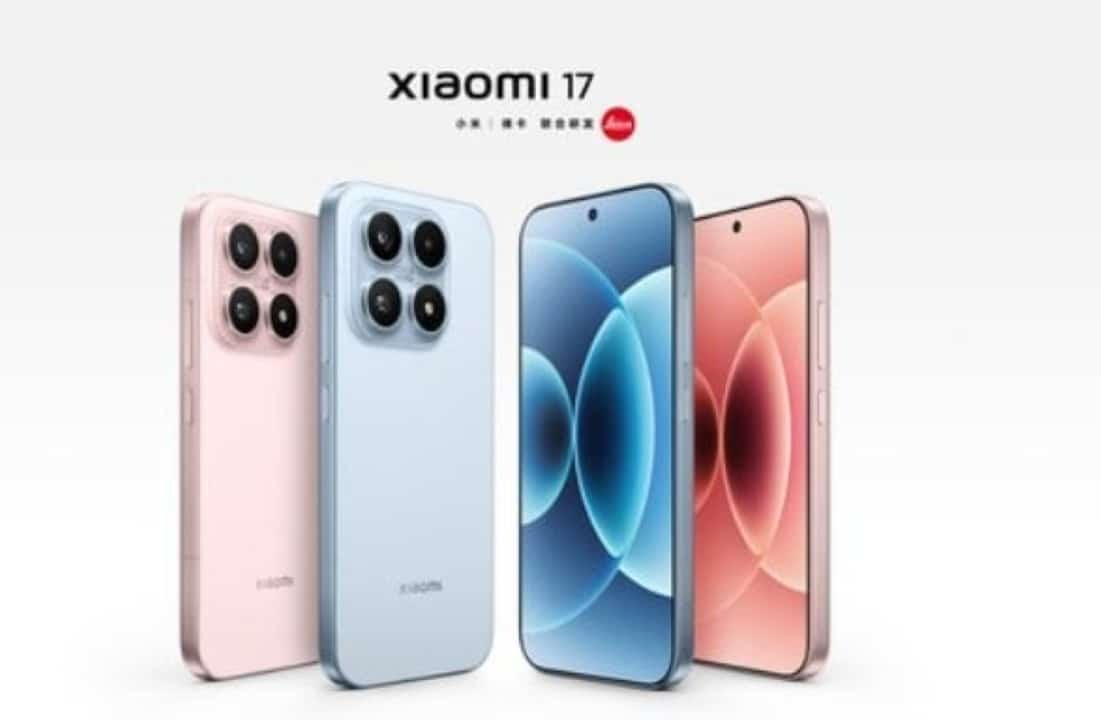
The Xiaomi has started implementing a software update for its line of premium smartphones, the Xiaomi 17 series, bringing a package of substantial improvements to the camera suite. The new version of the HyperOS operating system focuses on expanding video and photography recording capabilities, introducing professional-grade tools aimed at content creators and imaging enthusiasts.
The main news, however, is initially being directed to the models Xiaomi 17 Pro and Pro Max, which remain exclusive devices for the Chinese market. Essa strategy creates a complex scenario for consumers in other regions, who await the global launch of variants of the line.

With the update, the company seeks to directly respond to the demand for greater creative control and flexibility in image capture, a field where the competition has invested heavily. The decision to limit the most geographically advanced features reinforces the brand’s tactic of differentiating its products in the domestic market.
Advances in professional video recording
The HyperOS update enriches the camera experience with a robust set of features. Entre highlights is the manual activation of LOFIC mode on the most advanced models, a technology that improves dynamic range to avoid light bursts in high-contrast scenes, working at resolutions up to 4K at 60 frames per second. Outra important addition is the Dual-View mode, which allows simultaneous recording with the front and rear cameras, ideal for producing vlogs and other dynamic content for social networks. Para professionals, LOG profile recording has been improved with support for LUTs (Look-Up Tables), allowing a color preview that is more faithful to the final result and offering greater flexibility in post-production. The system also now supports dynamic photo capture during video recording and introduces smart scene cards, which automatically adjust camera settings for challenging lighting conditions.
Functionality restricted to models Pro and Pro Max
The devices Xiaomi 17 Pro and Pro Max are those that benefit most from this update, making the most of the available hardware. The LOFIC sensor, for example, has its potential optimized in these devices, ensuring captures with preserved details in both shadow and high-light areas. The secondary screen present on the back of these models gains an even more relevant function, operating as a viewfinder in Full-Frame mode for composing self-portraits and videos using the powerful set of main cameras, which drastically increases the quality of the material produced.
Recording in LOG with the application of LUTs in real time also represents a significant competitive advantage, bringing the filming experience closer to that of professional cameras. Essa color fidelity during capture speeds up the workflow of videographers and content creators. Contudo, the exclusivity of these resources for the Chinese market means that users from other parts of the world who want access to this technology need to resort to importing, assuming the associated risks, such as the lack of local warranty and official support for future updates.
Xiaomi’s segmentation strategy
The decision to keep the Pro and Pro Max models exclusive to China is part of a market strategy well defined by Xiaomi. Essa approach allows the company to focus its boldest innovations on its home market, where competition is intense and consumers are hungry for cutting-edge technology.
In doing so, the brand creates a clear differentiation in its portfolio, positioning the Ultra models as the leading global offerings. Esses devices are designed to balance advanced features with broader distribution, meeting international demand for premium devices with official support and warranty.
This segmentation also serves as a testing ground for large-scale new technologies before possible global expansion. Para consumers, this results in a clear choice between the security of an official product and early access to cutting-edge features through import.
What to expect from the global launch
For the international market, attention turns to the imminent launch of the standard Xiaomi 17 and the Xiaomi 17 Ultra. Ambos models are scheduled to arrive in several countries in the coming weeks, bringing with them an adapted version of HyperOS and many of the software improvements.
The standard model is positioned as an excellent value for money option, inheriting some of the new camera features and offering a solid and reliable usage experience for the majority of consumers.
The Xiaomi 17 Ultra will be the brand’s true flagship on the global stage. Espera incorporates the most advanced version of the LOFIC sensor available for export, making it the ideal alternative for photographers and videographers looking for maximum performance without the risks of importing.
The choice for the global consumer will be between the stability and support of an official release or the exclusive features of the Pro models, which come with uncertainty regarding updates and warranty. Xiaomi continues to refine this strategy to compete on different fronts.
LOFIC sensor technical details
The sensor with LOFIC technology (Lateral OverFlow Integration Capacitor) represents a significant advance in capturing images with high dynamic range (HDR). Sua main function is to manage scenes with extremes of light and shadow, such as a sunset or indoor environments with very bright windows.
By allowing manual activation, the Xiaomi gives users granular control over capture, preventing brightly lit areas from losing detail (a phenomenon known as “white blowout”) while at the same time preserving information in darker areas of the image.
Using the rear screen as a viewfinder
The implementation of the rear screen as a secondary display on the Pro and Pro Max models is an engineering solution that solves a major challenge for content creators: recording yourself with maximum quality. Tradicionalmente, vlogs and video selfies are taken with the front camera, which is usually inferior to the main set.
With this functionality, the user can frame the scene perfectly while using the main lenses, which offer higher resolution, larger sensors and more versatility. Software optimization guarantees low latency, making the experience fluid and practical for productions that require agility.
Options for the international consumer
Faced with this scenario, the international consumer is faced with a strategic dilemma. Patience will be rewarded with the arrival of the Xiaomi 17 and 17 Ultra models, which promise a robust set of features, official support and warranty. On the other hand, enthusiasts seeking the latest and most exclusive innovations may consider importing the Pro models, being aware of the trade-offs involved.



