

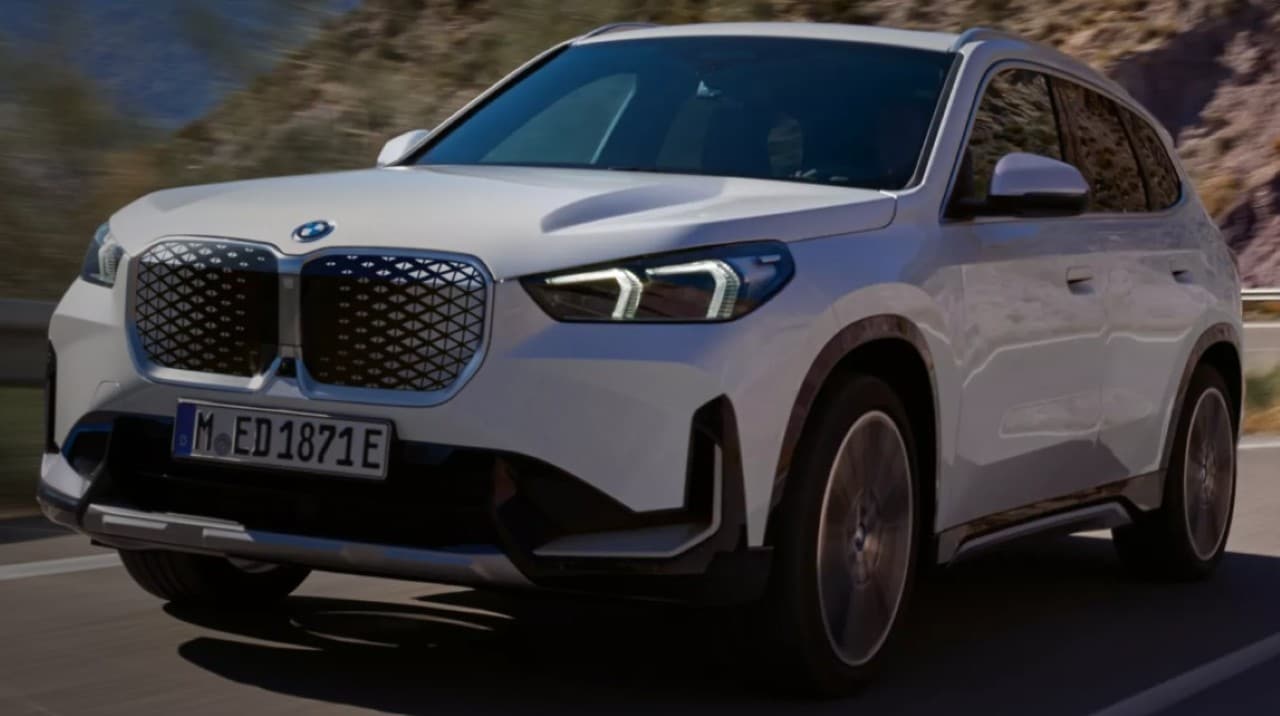
BMW launched the new iX3, based on the Neue Klasse platform dedicated to electric vehicles, and adopted a subscription model to activate certain features even when the hardware is already installed at the factory. Entre they highlight the 360-degree vision camera and the Driving Assistant Pro package, which includes semi-autonomous functions on highways and urban environments.
The model arrives with all physical components present, but access depends on recurring payment in selected markets, such as Austrália. The company justifies the approach by the flexibility offered to owners and the operational costs involved in connected services.
This strategy persists even after the automaker recognized mistakes in previous attempts at similar monetization.
The iX3 represents an important step in BMW’s electric transition, with an estimated range of up to 805 km via the WLTP cycle in some versions. The vehicle maintains maximum power available from the start, with no paid restrictions on battery performance or range.
Neue Klasse platform and technical specifications
The Neue Klasse architecture features new generation batteries and more efficient motors, allowing fast charging and greater energy density. The iX3 offers all-wheel drive on top-of-the-line variants, with acceleration competitive in the premium electric SUV segment.
The exterior design adopts more fluid lines and a closed grille characteristic of the brand’s electric models. Inside, the Panoramic Vision system projects information directly onto the windshield, integrating high-resolution digital screens.
- Range of up to 805 km (WLTP)
- Power equivalent to around 463 hp in higher versions
- Fast charging compatible with high-power stations
- Adaptive suspension available in some markets
Features available by subscription
The 360-degree view camera requires paid activation, even though it is installed on all units of the new iX3. The same occurs with the Driving Assistant Pro, which brings together advanced assistance technologies similar to those offered by competitors.
Other items, such as real-time traffic updates and suspension adjustments, also follow the recurring model depending on the region. Na Austrália, for example, adaptive suspension costs around 20 US dollars per month after free trial period.

BMW argues that these services require cloud infrastructure and continuous processing. Assim, the cost is only transferred to those who actually use the functions.
Previous experience with recurring monetization
The automaker faced intense criticism when it introduced monthly charging for seat heating in 2022. The backlash led to the initiative being canceled in less than a year.
Currently, the company differentiates features with fixed operating costs from those that generate variable expenses. Recursos such as seat or steering wheel heating are no longer paid for separately.
The change reflects learning from the market, concentrating subscriptions on connected technologies.
The manufacturer’s justifications for the model
BMW executives explain that subscriptions allow customers to decide later on whether to activate functions. A homeowner can, for example, add advanced assistance years after the initial purchase.
Over-the-air updates are tied to paid plans, ensuring continuous improvements for subscribers. Funções advanced semi-autonomous vehicles arrive first in European markets, like the Alemanha, before global expansion.
The strategy aims to balance development costs with recurring revenue.
Differences from basic performance
Maximum power and battery range remain unlocked across all iX3 configurations. BMW rejects limiting these aspects through additional payments.
The decision preserves the original proposal of premium vehicles with full factory performance. Diferentemente of some competitors, there is no paid unlocking for acceleration or extra autonomy.
This position reinforces the brand’s identity in the high-performance segment.
Regional availability and exemplary pricing
Markets like Austrália already have subscription options for suspension and surround vision. Períodos free trial comes with some functions for initial evaluation.
Expansion to other countries follows a gradual schedule, prioritizing regions with developed connected infrastructure. Preços vary depending on the package and contracted duration.
Customers can manage activations directly through the application or embedded system.
Comparison with automotive sector practices
Other brands adopt similar models for supervised advanced assistance systems. The approach divides opinions between flexibility for the consumer and the perception of double charges for hardware already present.
In the premium electrical segment, connected services gain importance with the increase in remote functionalities. BMW positions its subscriptions as an intermediate option between a one-time purchase and complete absence of the feature.
The debate about monetization continues to influence automakers’ strategies.
Future of subscriptions in the BMW range
The company plans to maintain ConnectedDrive as a pillar of after-sales services. Atualizações constants justify recurring revenue from evolved technologies.
Subsequent models of the Neue Klasse must follow a similar standard for advanced functions. The automaker monitors feedback for possible adjustments.
The balance between innovation and customer acceptance remains central.
The new iX3 consolidates BMW’s presence in the luxury electric segment with advanced technology. The option for subscriptions reflects a greater trend in the connected automotive sector.
Owners gain flexibility to customize the vehicle over time. The strategy seeks to align operational costs with the real use of functions.