

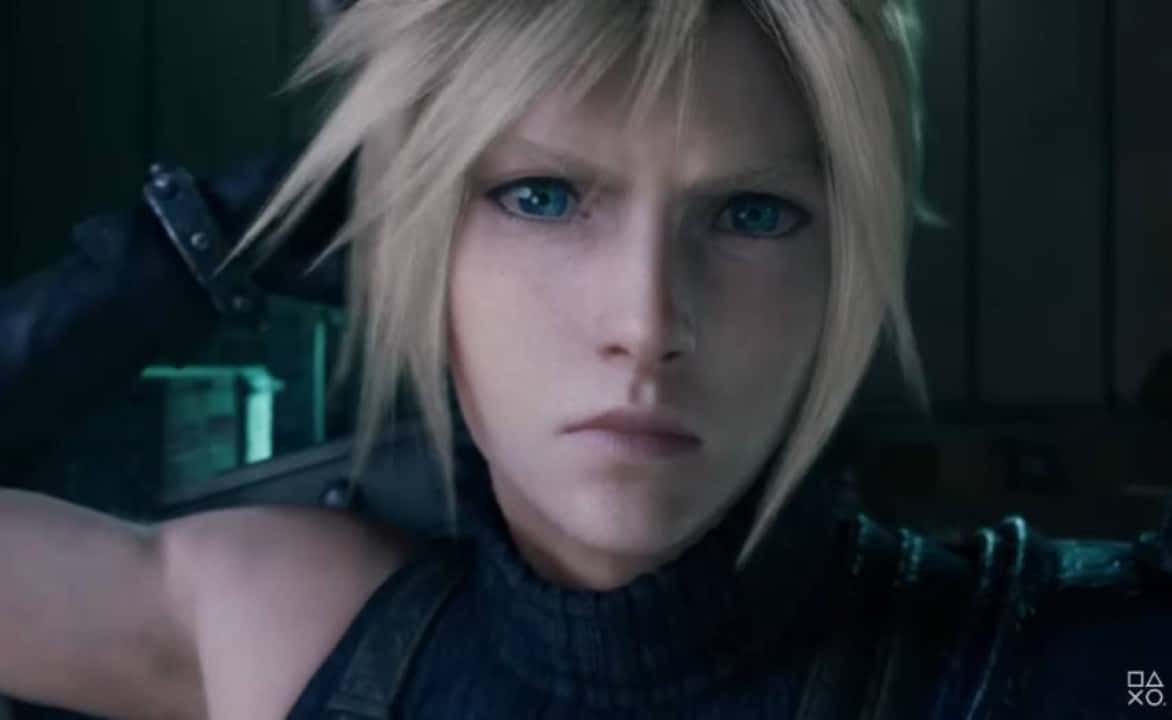
Square Enix confirmed a significant change in its release strategy, announcing that the third and final part of the Final Fantasy VII Remake trilogy will be released simultaneously on multiple platforms. The decision represents a break with the temporary exclusivity model adopted in the first two games in the saga, which first arrived on PlayStation consoles. Esta new approach aims to expand the reach of the highly anticipated title from day one, allowing a larger player base to access the outcome of the story of Cloud Strife and his companions without the need to wait for future adaptations.
The measure reflects a new commercial vision by the Japanese developer, which seeks to maximize the impact and sales of its main franchises. With the confirmation, the expectation is that the game will arrive at the same time for PlayStation 5, Xbox Series X|S and PC, although the exact platforms have not yet been officially detailed. The strategic change was enthusiastically received by gaming communities outside the PlayStation ecosystem, who followed previous releases with a considerable delay.

The announcement also fuels speculation about the future of Square Enix’s other major intellectual properties. Títulos like Final Fantasy XVI and the Kingdom Hearts series also followed exclusivity models, but the new policy adopted for the end of the Remake saga may indicate a trend for the company’s next major projects. The decision to unify the launch is seen as a response to the current dynamics of the games market, where availability on multiple platforms has become a crucial factor for large-scale commercial success.
While the release date remains a mystery, the development team has already announced that production progress is accelerating, with the main script already finalized. Isso suggests that the pre-production phase has been successfully completed and that the project is moving on to more concrete development stages, such as recording voices and building the game’s environments.
More on this story: Square Enix ends exclusivity and confirms release of part three of Final Fantasy VII Remake on Xbox
The trilogy’s history of exclusivity
The journey of the Final Fantasy VII Remake trilogy began with a strong alliance with Sony. The first game, titled Final Fantasy VII Remake, was released in April 2020 as an exclusive for the PlayStation 4. A year later, in June 2021, an enhanced version called on Epic Games Store, followed by a launch on Steam in mid-2022, consolidating an exclusivity period of more than a year and a half on consoles.
Following a similar pattern, the second part, Final Fantasy VII Rebirth, was released in February 2024 as an exclusive title for the PlayStation 5. Essa strategy, although it ensured significant prominence on the Sony platforms, generated a long wait for players on other platforms, who needed to avoid spoilers while waiting for the opportunity to continue the adventure. The break with this model for the third game is, therefore, one of the most impactful news about the project so far.
Development of the final part progresses
Despite the absence of a release date, the project’s directors, including Yoshinori Kitase, have already confirmed that production of the final part is progressing consistently and within the expected schedule. The main milestone achieved so far is the conclusion of the main story script, which means that the narrative arc that will close the trilogy is now fully defined.
With the story foundation established, the development team prepares to begin the next critical phases of the project. One of them is the beginning of voice recording sessions with the actors, a process that brings the characters to life and is fundamental to the game’s cinematic scenes.
While the company avoids making promises, the development cycle between the games suggests a possible launch around 2027. The structure and technology already established in Rebirth should accelerate production on the third title, allowing the team to focus on creating new content and completing the ambitious reimagining of the 1997 classic.
A new release policy for Square Enix
The decision to release the final part of Final Fantasy VII Remake on multiple platforms simultaneously is not an isolated case, but rather a reflection of a broader strategic restructuring within Square Enix. Nos In recent years, the company has reevaluated its business model to adapt to an increasingly competitive global market. Temporary exclusivity, while beneficial for partnerships with console manufacturers, limits a title’s initial sales potential, a considerable risk for high-budget projects. By adopting a multiplatform approach from the beginning, the company seeks to ensure that its largest investments reach the largest possible audience at launch, optimizing financial return and community engagement. Essa change also aims to strengthen the presence of its franchises in ecosystems such as Xbox and PC, where demand for large-scale JRPGs has grown significantly. The new policy signals a future in which availability and easy access will be priorities, aligning Square Enix with other major publishers that already operate with global and simultaneous releases as an industry standard.
Learn more: End of exclusivity: Square Enix will release the last part of Final Fantasy VII for all consoles
Impact for Xbox and PC players
For the Xbox gaming community, the news is particularly encouraging. The absence of the first two games in the Remake trilogy on the Microsoft console was a point of frustration for many fans of the franchise. The simultaneous arrival of the final part opens up the possibility that Square Enix will eventually release the previous titles on the platform to complete the collection.
PC players also benefit directly, as they will no longer have to wait months or even years after the console launch to access the game. Essa concurrency eliminates the period of uncertainty and the need to avoid spoilers that spread quickly across the internet, allowing you to participate in global discussions about the story in real time.
Square Enix’s change in strategy could serve as a catalyst for other Japanese developers who have traditionally favored exclusive deals with PlayStation. The success of a multiplatform release of a highly anticipated title could encourage a broader industry movement toward more inclusive releases.
This unified approach also simplifies the game’s marketing and communications. Instead of platform- and time-segmented campaigns, the company will be able to focus its efforts on a single global message, strengthening the Final Fantasy brand across all major gaming markets at once.
What to expect from the conclusion of the saga
The third part of the trilogy is responsible for adapting some of the most iconic and dramatic moments from the original Final Fantasy VII. The developers have already indicated that they intend to continue to surprise players, mixing fidelity to the source material with new narrative elements that expand the game’s universe.
Technical details and expectations
Simultaneous development for multiple platforms from the beginning of the production cycle offers significant technical advantages. The team can optimize the game’s graphics engine and resources for the PlayStation 5, Xbox Series X|S, and high-end PC architectures seamlessly, ensuring parity in performance and visual quality between versions. Isso avoids the portability challenges that arise when a game is ported to new hardware months after its original release.
Fan expectations are focused on how the team will conclude character arcs and resolve the twists introduced in Remake and Rebirth. The promise of a cohesive and epic experience, now accessible to a wider audience from day one, further elevates the importance of what will be one of the most anticipated releases of the generation.