

The 2026 astronomical calendar will begin with a remarkable celestial spectacle. The first Superlua of the year, popularly known as Lua of Lobo, is expected to light up the night sky in early January, offering a privileged view for astronomy observers and enthusiasts around the world. The Este event occurs when the full Lua coincides with perigee, the point in its orbit closest to the Terra, resulting in a visually larger and brighter appearance than usual.
The phenomenon can be observed mainly on the nights of January 3rd and 4th. Durante this period, the natural satellite of Terra will appear more imposing on the horizon, providing a unique opportunity for contemplation and photographic recording. The difference in size and brightness, when compared to a full Lua at apogee (furthest point from Terra), can reach 14% and 30%, respectively, making the visual experience quite different.
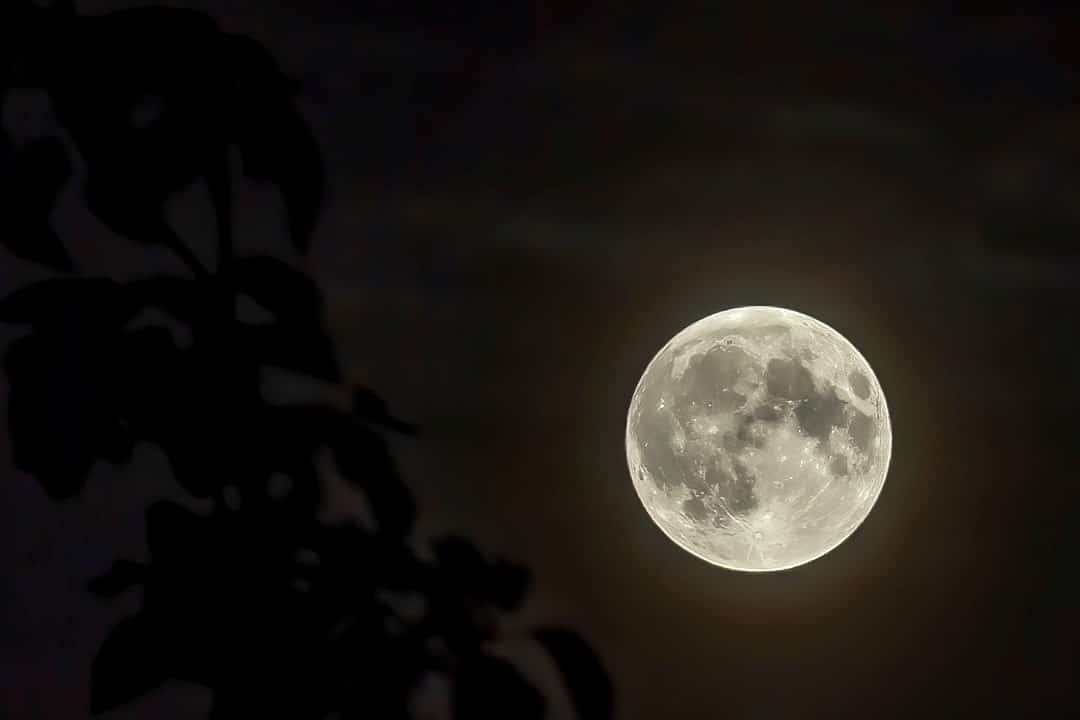
The nomenclature “Lua do Lobo” has roots in ancient traditions of Native North American peoples. The name was associated with the January full moon due to the period when wolves used to howl more frequently, impacted by food shortages during the harsh winter in the northern hemisphere. Essa cultural connection adds a layer of historical significance to the astronomical event.
What defines an Superlua
The term “Supermoon” is not an official astronomical designation, but has become popular to describe a specific phenomenon related to the lunar orbit. The orbit of Lua around Terra is not perfectly circular, but rather elliptical. Isso means that the distance between the two celestial bodies is constantly changing. The point of greatest proximity is called perigee, while the point of greatest distance is called apogee. Uma Superlua occurs when the full Lua phase occurs while the satellite is at least 90% of its closest approach to Terra. In terms of distance, this generally means that Lua is less than 360,000 kilometers from our planet. Essa proximity makes the lunar disk appear larger in the sky, an optical effect that, although subtle to casual observers, is measurable and well appreciated by amateur astronomers and photographers.
Dates and times for observation
Lua of Lobo will reach its peak illumination on the night of January 3rd, but its appearance as Para for a better observation experience, it is recommended to look for places with little light pollution, such as rural areas or parks away from large urban centers. Artificial light from cities can dim the satellite’s brightness and reduce contrast with the dark sky.
No special equipment is needed to appreciate the phenomenon, as it is perfectly visible to the naked eye. Contudo, the use of binoculars or a small telescope can enrich the experience, allowing you to view details of the lunar surface, such as its craters and seas, which will be especially illuminated. The best time to observe is just after Lua rises on the eastern horizon, when the so-called “lunar illusion” makes it appear even larger by comparison with foreground objects such as trees and buildings.
The origin of the name Lua of Lobo
The designation “Lua of Lobo” is one of many traditional nomenclatures for the year’s full moons, originating in farmers’ almanacs and traditions of native peoples of Cada name is linked to seasonal characteristics of the period in which the full Moon occurs.
In the case of January, the name refers to the heart of winter in the northern hemisphere. Era at this time when packs of wolves, hungry due to the cold and the difficulty of hunting, approached the villages and their howls were heard more intensely, echoing in the freezing nights.
Other cultures also have distinct names for the first full Lua of the year, such as “Moon Fria” or “Moon of Gelo”, all reflecting the harsh weather conditions and atmosphere of the season. Esses names demonstrate the deep connection that ancient civilizations maintained with the cycles of nature and celestial events.
How to photograph the celestial spectacle
Photographing the Superlua can be a challenge, but some techniques can help you get good results. Using a tripod is essential to ensure camera stability and avoid blurry images, especially when using slower shutter speeds. Para To capture the lunar disk in detail, it is recommended to use a zoom or telephoto lens.
Adjusting camera settings manually gives you greater control. Experimente use an intermediate aperture (such as f/8 or f/11) and a low ISO to reduce noise in the image. Shutter speed must be adjusted to balance exposure, preventing the Lua from becoming overexposed and losing its details.
A composition tip is to include earthly elements in the photo, such as a landscape, tree silhouettes or the outline of a city. Isso not only creates a more interesting image, but also helps convey the scale and grandeur of the celestial phenomenon.
Other expected lunar events
The year 2026 will be particularly interesting for observers of Lua, with a total of 13 full moons. Essa occurrence is due to the fact that the lunar cycle is approximately 29.5 days long, which occasionally allows a calendar year to accommodate an extra full Lua. Esse phenomenon will result in a “Lua Azul” in May, which is the term used for the second full Moon that occurs within the same month.
In addition to the Lua of the Lobo in January, two other Superluas are scheduled to take place at the end of the year, one in November and the other in December. Estes events will provide new opportunities to observe the satellite at its closest point to Terra, each with the sky characteristics of its respective station.
The coincidence with the Quadrântidas meteor shower
An interesting detail is that January’s Superlua will occur during the peak of the Quadrântidas meteor shower, one of the most intense events of the year, which takes place annually between the 1st and 5th of January. The shower is known to produce bright meteors and “fireballs,” which are longer-lasting and more spectacular trails of light.
However, the intense luminosity of full Lua can make it difficult to observe fainter meteors. The brightness of Superlua tends to obscure much of the sky, reducing the visibility of the event. Apesar of this, the brightest meteors of Quadrântidas can still be seen, making the night a double opportunity for the most patient and lucky observers.
Superluas Calendar
For enthusiasts who want to plan, the 2026 astronomical calendar has other important dates in store. Advance preparation is key to not missing these shows.
* Superlua of Lobo: January 3
* Lua Azul: May 31
* Superlua of Novembro: November 15
* Superlua of Dezembro: December 15



