

The expansion of the Fallout television universe continues to explore new territories in the post-apocalyptic América, moving away from the desert settings of Califórnia seen in the first episodes. The confirmation that the narrative will move to the state of Colorado marks a crucial turning point for the production, offering a visually distinct environment rich in unprecedented dangers. The central focus of this geographic change falls on the personal journey of Cooper Howard, Ghoul, who seeks definitive answers about the whereabouts of his family and the true culprits for the end of the world.
This new narrative direction is not just an aesthetic choice, but a decision based on deep elements of the franchise’s mythology. By following the clues left in the final interactions of the previous season, the protagonist is forced to cross the Montanhas Rochosas, a region known for housing industrial and military secrets of great importance. The move east suggests that the showrunners are willing to integrate less conventional game elements from the saga to enrich the television plot.

The search for Howard promises to unearth hidden layers of the Vault-Tec corporation, suggesting that the corporate conspiracy that destroyed civilization has deep roots embedded in Colorado’s underground facilities. With the change of scenery, survival dynamics are expected to be drastically altered, introducing climatic challenges and factions that operate under different rules than those seen in Costa Oeste.
Rescue of tactical elements and new factions
The choice of Colorado as the main stage is no accident for long-time connoisseurs of the franchise, as the region serves as the setting for the game Fallout Tactics: Meio-West. Diferente than their counterparts in Califórnia, this faction is historically portrayed as more militaristic and pragmatic, controlling vast territories through airships and brute force.
The introduction of this variant of Irmandade could bring fascinating ideological conflicts to the screen, contrasting with the dogmatic vision presented previously. The possibility of seeing an organization that, in some versions of the story, accepts ghouls and super mutants into its ranks to strengthen its army, would add a necessary moral complexity to the plot. The producers indicated that, although they will not strictly follow the script of the classic game, they will use the setting to create something new and exclusive for the adaptation.
The enigma of Vault 0 and the technological threat
At the center of plot speculation in Colorado is the existence of the legendary Vault 0, a facility that differs drastically from the experimental social shelters seen thus far. Dentro of established mythology, this location was not designed to protect the general population, but served as a command and monitoring center for Vault-Tec itself. The structure was designed to house the brightest minds of pre-war society, kept in cryogenic stasis to rebuild the world after nuclear fallout.
The presence of this location introduces a potential antagonist of a technological nature: the Calculador. Esta artificial intelligence, in charge of managing Vault 0 and its robot armies, represents a threat that goes beyond the biological dangers of the wilderness. The series has the opportunity to adapt this concept to reflect modern fears about automated control and surveillance, aligning with the social critique that permeates the work.
For Cooper Howard, finding this location could mean the end of his centuries-old quest, but also the beginning of a mechanized nightmare. The direct connection between the top brass at Vault-Tec and operations at Colorado suggests that the answers he seeks are guarded by lethal defenses. The narrative should explore how old-world technology meant to save humanity ended up becoming yet another tool of oppression.
Visual and narrative impact on Montanhas Rochosas
The transition to Montanhas Rochosas offers a much-needed visual break from the arid desert aesthetic that dominated the early seasons. Colorado features a hostile environment marked by snow, radioactive conifer forests, and vertical terrain that requires new survival strategies. Climate change will force characters to adapt their equipment and tactics, creating an atmosphere of isolation and cold that contrasts with the heat of Califórnia.
In addition to the environmental challenges, the rugged geography serves as a natural labyrinth that hides military secrets and forgotten bunkers. The verticality of the scenario allows the introduction of new mutant creatures adapted to the cold and altitude, renewing the series’ bestiary and keeping the suspense high. Para the production, filming in locations that simulate this environment brings a cinematic grandeur that expands the scale of the protagonists’ journey.
Convergence of destinations in the new scenario
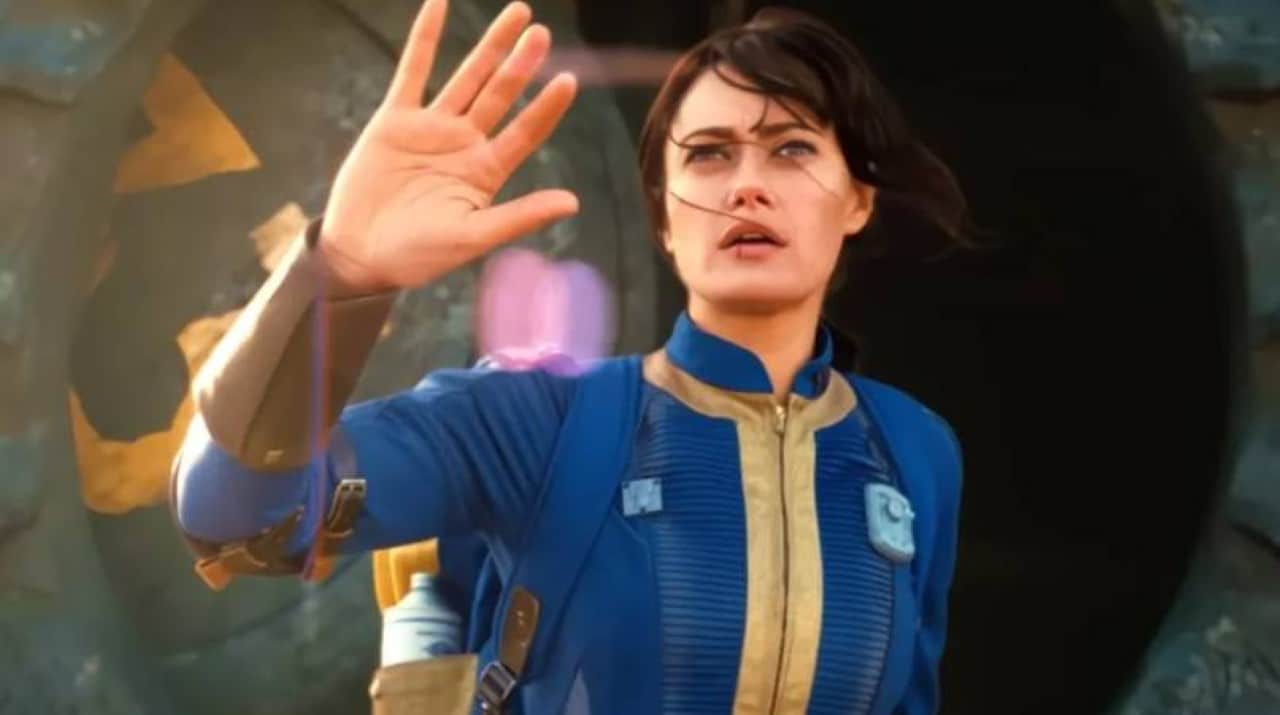
Although the initial motivation for the journey east is the personal search for Ghoul, it is inevitable that the paths of Lucy MacLean and Maximus also converge on Colorado. The interconnectedness of the plots suggests that the revelations obtained in the mountains will have global repercussions, affecting all remaining factions. The journey stops being just about revenge or family reunion and becomes a mission that could define the future of post-war governance.
The series continues to demonstrate skill in weaving individual narratives with the grand politics of the Fallout universe. By moving the pieces onto a board where Vault-Tec operated its most secret machinations, season three promises to raise the stakes, turning Colorado into the epicenter of a revelation that will change the characters’ understanding of who was really in charge when the bombs fell.