

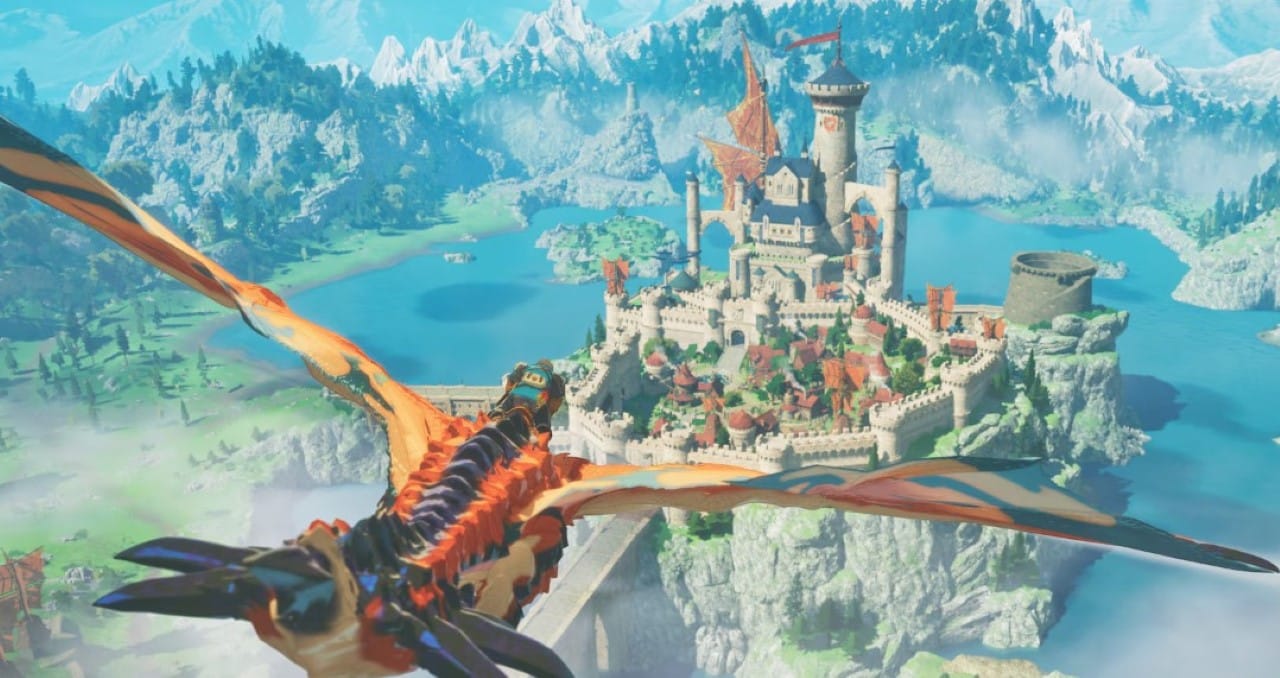
A new technical analysis compared the performance of Monster Hunter Stories 3: Capcom launches the game on March 13, 2026.
The title maintains the proposal of the Monster Hunter spin-off series, focused on RPGs with the formation of bonds with monsters. Jogadores take on the role of Rider and explore a world where they fight alongside tamed creatures. The demo allows you to test key mechanics and transfer progress to the final version.
The comparison highlighted the good use of different hardware architectures. Cada platform offers different experiences, influencing players’ choices. Performance varies especially between docked and portable modes on the Switch 2.
Available graphics modes
PlayStation 5 and Xbox Series S have three different display modes. Esses modes allow you to prioritize visual quality, balance or performance. The Nintendo Switch 2 operates with just a single mode, equivalent to the balanced mode of other platforms.
The differences are most evident in the performance mode of the PS5 and Series S versions. With the Nesse configuration, there is a significant reduction in shadow quality and rendering distance. The adjustment prioritizes fluidity over graphic details.
Performance on PlayStation 5
The PlayStation 5 presents the most consistent experience among the platforms analyzed. The console maintains frame rates above targets in all available modes. At specific times, it reaches peaks of 60 fps in balanced mode.
This mode appears as the most recommended for most players. Ele balances visual quality and fluidity without excessively compromising any aspect. Stability remains high even in the most demanding scenes.
The PS5 hardware handles the requirements of RE Engine used by Capcom well. The results show efficient optimization for the platform. The version demonstrates the ability to maintain high performance in a sustained manner.
Behavior in Xbox Series S
The Xbox Series S surprises with its proximity to the PS5’s graphical adjustments. Essa approximation does not occur frequently in cross-platform comparisons. The console offers similar visual settings to the more powerful version.
Despite the technical similarity, stability presents fluctuations. Series S struggles to maintain consistent frame rates. Essas variations occur even with configurations close to those of the PlayStation 5.
- More aggressive shadow reduction in performance mode
- Adjusted render distance to prioritize fluidity
- Visual proximity with PS5 in balanced mode
- Frequent flickering in complex scenes
The version demonstrates good optimization work considering hardware limitations. The result positions the Series S as a competitive option. Jogadores find an experience close to that of more powerful consoles.
Experience at Nintendo Switch 2
The Nintendo Switch 2 adopts a unique configuration similar to the balanced mode of other platforms. In docked mode, the console maintains greater stability than the Xbox Series S. The frame rate is consistently above 30 fps.
The situation changes in portable mode, where frequent drops below 30 fps occur. Essas reductions affect fluidity in moments of greater graphical demand. The image appears blurrier due to the upscaling technique used.
The console does not employ DLSS, resulting in lower resolution and less vibrant colors. Apesar of the limitations, the docked version offers comparable visual quality. Superior stability in TV-connected mode highlights the platform’s potential.
The absence of additional modes simplifies the experience for users. Jogadores do not need to adjust settings manually. The focus remains on the portability characteristic of the Nintendo line.
Visual details compared
Shadows constitute one of the biggest points of difference between modes. In terms of performance, quality drops considerably on PS5 and Series S. Essa reduction directly impacts immersion in detailed environments.
The rendering distance follows a similar adjustment pattern. Configurações more demanding maintain distant elements with greater fidelity. Modos prioritizing performance, they sacrifice this aspect to gain fluidity.
- Higher quality shadows in PS5 balanced mode
- Distant rendering preserved at high settings
- More consistent lighting effects on PlayStation 5
- More washed colors in the portable version Switch 2
The Switch 2 presents a smoother docked image thanks to the applied filter. However, the absence of advanced upscaling technologies limits sharpness. Other platforms deliver more defined results.
Context of the series Stories
Monster Hunter Stories 3: Twisted Reflection continues the tradition of the subseries started in 2016. The focus remains on the mechanics of Rider and forming bonds with monsters. The narrative explores new territories and conflicts between kingdoms.
Capcom maintains classic elements such as turn-based combat and egg collection. Novas mechanics expand the customization possibilities of Monsties. The title introduces iconic monsters from the main series in an RPG context.
The available demo allows you to explore initial areas and test combat. Jogadores create your character and start the main journey. Progress made carries over to the full version at launch.
The demo’s initial reception indicates renewed interest in the subseries. Fãs highlight improvements in the direction of cutscenes and narrative quality. The visual evolution represents a significant advance compared to previous titles.
Expectations for the launch
The game arrives simultaneously on major platforms in March 2026. Edições specials include additional content such as side stories and costumes. The digital version allows pre-purchase with exclusive bonuses.
Technical analysis based on the demo suggests a good level of general optimization. Cada platform receives treatment appropriate to its characteristics. Jogadores can choose according to performance or portability preferences.
The Capcom demonstrates the ability to adapt the RE Engine to different hardware. The results indicate a satisfactory experience regardless of the choice. The proximity between versions reinforces the commitment to accessibility.
- Release scheduled for March 13, 2026
- Demo available on all platforms
- Transferable progress to final version
- Support for multiple languages including Brazilian Portuguese
The comparison reinforces the current competitiveness of the console market. Diferenças techniques exist, but they do not compromise the core experience. Monster Hunter Stories 3 is positioned as an attractive option for RPG fans.
The title expands the Monster Hunter universe with an accessible approach. The mechanic of bonds with monsters remains central to the proposal. The narrative promises deeper conflicts between factions.
Early analysis allows players to evaluate the best platform. Fatores how portability or maximum performance influence the decision. The demo serves as a valuable tool in this process.
Highlighted technical elements
RE Engine shows versatility when running on different architectures. Developers have adjusted parameters for each specific hardware. The result maintains visual identity in all versions.
Upscaling techniques vary between platforms with visible impacts. The absence of DLSS in Switch 2 explains part of the perceived differences. PS5 and Series S benefit from more advanced solutions.
Docked stability favors Switch 2 in specific scenarios. Jogadores connected to the TV find a competitive experience. Portable mode requires inevitable compromises.
The full comparison covers aspects beyond pure framerate. Qualidade of textures and lighting effects receive detailed attention. Cada platform presents particular strengths.
Early optimization work indicates caution in cross-platform development. The Capcom balances technical requirements with accessibility. Monster Hunter Stories 3 benefits from this approach.