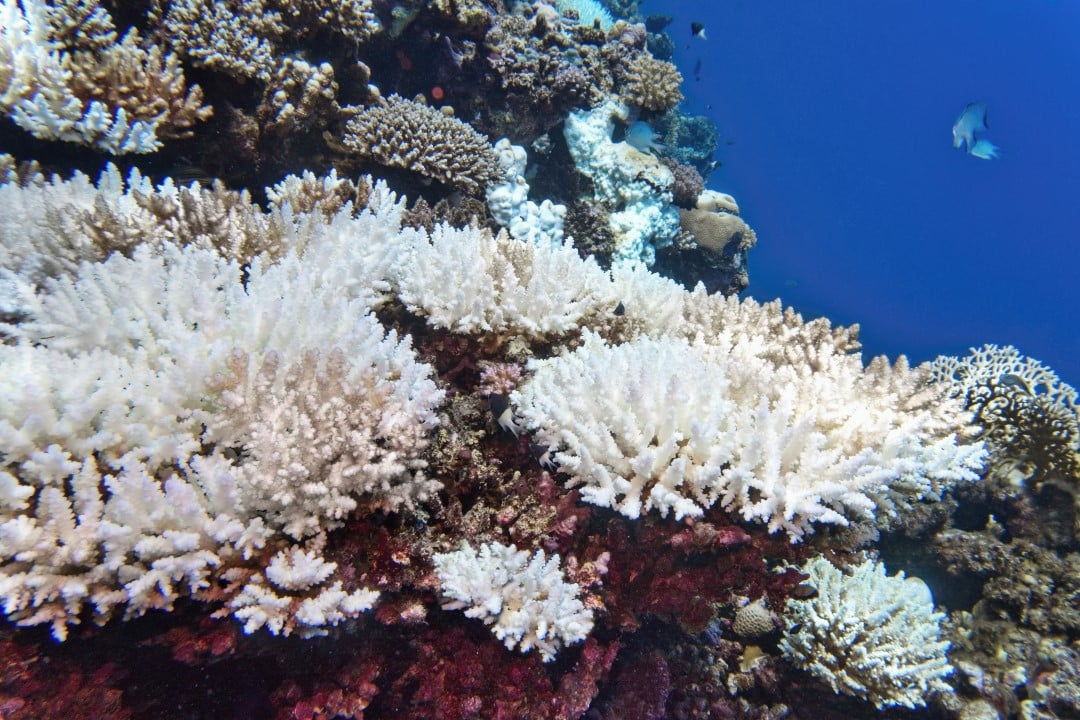
An international study published in the magazine Esse episode stood out as the longest recorded until then, lasting three consecutive years.
Researchers estimated that more than half of the world’s reefs faced significant thermal stress, leading to moderate or elevated mortality in approximately 35% of monitored areas. The phenomenon surpassed previous events in 1998 and 2010 in scale and duration. The combination of direct observations and modeling made it possible to map impacts even in regions without constant monitoring.
Bleaching occurs when high temperatures disrupt the symbiosis between corals and microscopic algae that provide nutrients and color. Sem these algae, corals lose vitality and become vulnerable to death if stress persists.
Mechanism and causes of bleaching
Raising water temperatures for prolonged periods triggers the expulsion of zooxanthellae algae from coral tissues. Essas algae are responsible for up to 90% of the energy needed by polyps. Loss results in pale or white corals, reducing growth and reproduction.
Marine heat waves, associated with global warming, have increased the frequency of these episodes. Antes of the 2000s, events occurred at intervals of 10 to 15 years, allowing recovery. Atualmente, shorter intervals prevent complete restoration of ecosystems.
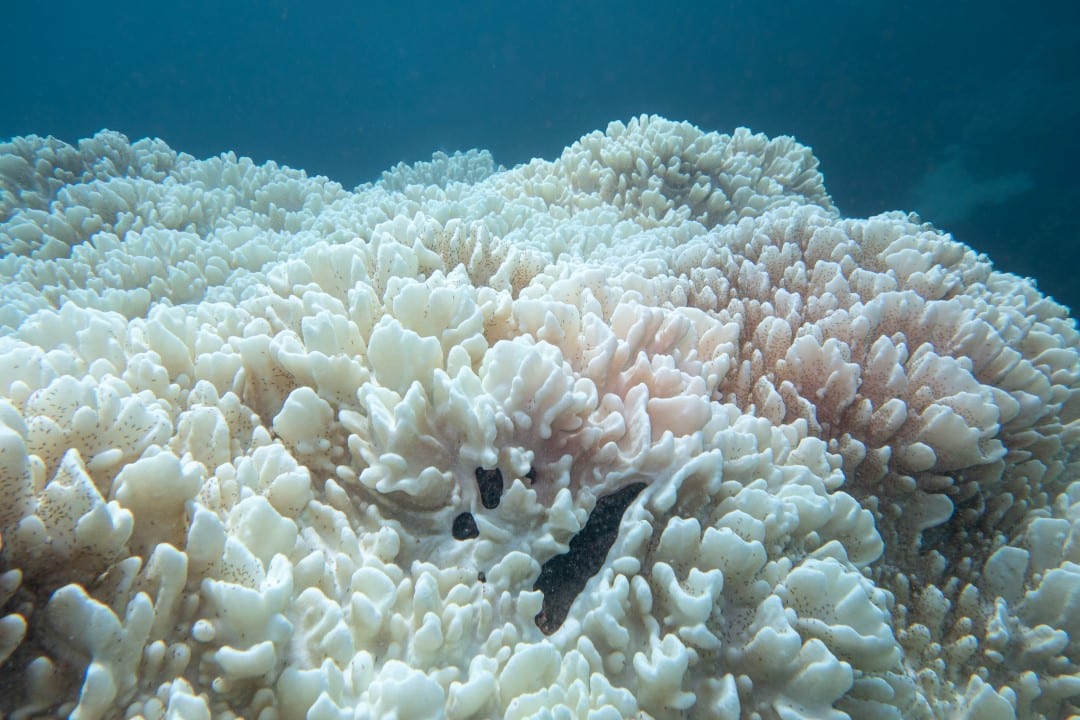
Global extension of the event from 2014 to 2017
The analysis covered reefs in oceans Atlântico, Pacífico and Índico. Mais than 50% of the areas suffered significant bleaching, with regional variations. The event lasted three years, an unprecedented mark for global episodes.
Researchers crossed field data with indicators of accumulated heat stress via satellite. Essa approach revealed damage at remotely monitored locations. The scale surpassed previous events, highlighting an intensification trend.
Impacts on Grande Barreira of Coral
Grande Barreira of Coral, in Austrália, recorded the most serious bleaching in its history during the period. Temperaturas caused extensive mortality in northern and central sectors. Partes of the reef lost a large portion of living cover.
Subsequent events compounded losses, with record declines seen in subsequent years. Mudanças in species composition occurred, favoring more resistant organisms. Partial recovery in some areas masks a reduction in diversity.
Situation of Brazilian reefs
In Brasil, impacts from the event from 2014 to 2017 were relatively smaller than in other regions. Fatores as water turbidity in certain reefs reduced the incidence of intense solar radiation. Ainda therefore, losses occurred in monitored areas.
Later episodes increased the vulnerability of national reefs. Regiões of Nordeste have faced significant bleaching in recent heat waves. Espécies endemic species show signs of decline in some locations.
Cumulative effects on ecosystems
Succession of thermal events reduces recovery time between episodes. Recifes weakened ones accumulate damage, leading to greater mortality in subsequent occurrences. Composição of species changes, with the loss of more sensitive corals.
Apparent cover may return, but ecological functions decline. Diversidade of fish and associated invertebrates suffers reductions. Ecossistemas become less resilient to additional stresses.
Ecological and economic importance
Coral reefs are home to around 25% of global marine biodiversity. Atuam as natural barriers against coastal erosion and storm surges. Sustentam artisanal and industrial fishing in different regions.
Degradation affects millions of people dependent on tourism and fishing. Atividades coastal economies lose income with the reduction of natural attractions. Proteção coastline decreases, increasing risks to coastal communities.
- They are home to a quarter of known marine species
- Protect coasts against waves and storms
- Generate billions in annual tourism in tropical regions
- Support fishing that feeds coastal populations
- Contribute to the discovery of medicinal compounds
Recent events and outlook
The fourth global bleaching event, starting in 2023 and extending through 2024 and 2025, affected more than 80% of reef areas in some monitoring. Regiões of Hemisfério Norte and Sul recorded simultaneous thermal stress. Intensidade surpassed previous episodes in several locations.
In Pacífico, Caribe and Índico, high mortality occurred on already compromised reefs. Austrália and Brasil reported varying impacts, with sharp declines in specific sectors. Tendência of more frequent heat waves persists with continued ocean warming.
Remnant reefs maintain critical functions in marine ecosystems. Preservação local and coastal pollution reduction aids resilience. Controle of global emissions remains essential to limit frequency of future episodes. Continuous Monitoramento allows you to identify priority areas for intervention.
