Over the past few decades, the global entertainment industry has witnessed an irreversible transformation driven by the creativity and technical innovation of Japanese studios. What began as local productions aimed at domestic audiences has evolved into a cultural phenomenon that crosses geographic and linguistic borders, establishing new narrative, aesthetic and technological paradigms. Desde from the introduction of robots with human feelings to complex cybernetic dystopias, the works arising from Japão not only entertained audiences of all ages, but also solidified the Asian country as a cultural superpower capable of setting trends on the international stage.
This expansion did not occur overnight, being the result of a continuous process of artistic refinement and genre experimentation. Japanese creators’ ability to blend local traditions with universal themes has allowed their stories to resonate deeply with viewers around the world. By addressing philosophical issues, war dramas, coming of age and the relationship between man and machine, these productions elevated the status of animation, removing it from the stigma of being an exclusively children’s product and positioning it as a respected and influential art form.
The beginning of the television era and the evolution of mecha
The year 1963 marked a decisive turning point with the debut of “Astro Boy” (Tetsuwan Atom) on television, a work that laid the foundations for the anime industry as we know it today. The creation of Osamu Tezuka introduced limited animation techniques that enabled mass production for TV, but it was the thematic depth that truly captured the public’s imagination. By telling the story of a robot with human emotions who fights for justice and peace between machines and men, the series planted the seeds for ethical discussions about technology and society that continue to this day, influencing generations of science fiction.
Over the next decade, the giant robot genre underwent a drastic overhaul with the release of “Mobile Suit Gundam.” Diferente Unlike its predecessors, which portrayed robots as invincible superheroes, this work presented machines as weapons of war in a realistic political and military conflict. The narrative focused on the human dramas of the pilots, the tragedies of combat and the moral complexities of war, inaugurating the “Real Robot” subgenre. Essa mature approach not only redefined the toy and model market, but also established a standard of serialized storytelling that demanded greater intellectual engagement from the public.
Cinematic impact and cyberpunk philosophy
The late 1980s brought to the world “Akira”, a feature film that broke technical and budgetary barriers, raising international perception of the quality of Japanese animation. With unprecedented visual detail and a plot that explored social collapse, unbridled power and youthful rebellion, the film became a cyberpunk landmark. The work demonstrated that animation could be a vehicle for adult, violent and politically charged stories, opening the doors of the West to denser and more sophisticated productions.
Following this philosophical path, “Ghost in the Shell”, released in 1995, delved into questions about human existence in a digitalized world. The protagonist, a cyborg who questions her own soul and conscience, has become an icon of science fiction. The film’s visual and thematic influence was so profound that directors of
Mass phenomena and the consolidation of genres
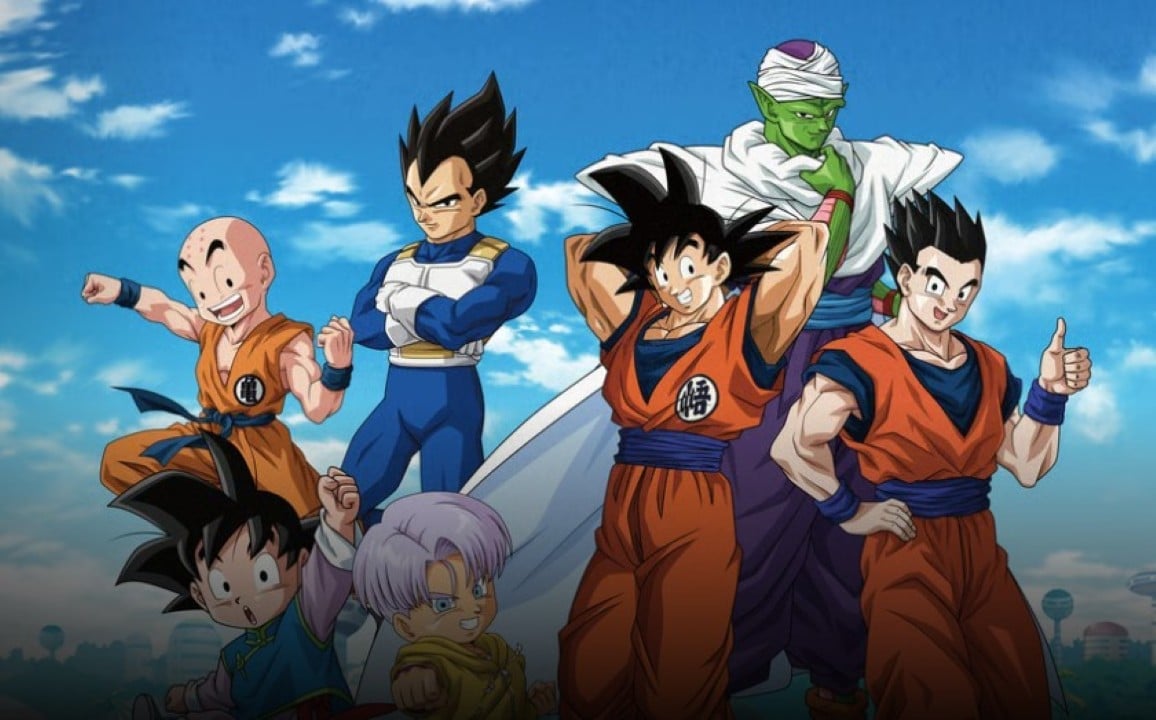
While cinema explored dense themes, television continued to produce mass phenomena that would shape the childhoods of millions. “Dragon Paralelamente, the “Pokémon” franchise created an integrated multimedia ecosystem that united anime, games and licensed products, demonstrating the commercial power of Japanese pop culture on a global scale and its ability to create lasting fan communities.
In the field of fantasy and adventure, “Fullmetal Alchemist: Brotherhood” stood out for presenting a cohesive and emotionally resonant script. The journey of the Elric brothers, based on the principle of equivalent exchange, offered a narrative that perfectly balanced action, political drama and metaphysical questions. The series is often cited as an example of excellence in writing and character development, proving that manga adaptations could maintain rigorous artistic integrity and win over specialized critics.
Deconstruction and new narrative languages
The industry’s creative diversity has also allowed for the deconstruction of established tropes. “Neon Genesis Evangelion” subverted expectations of the mecha genre by focusing on the psychological fragility of its protagonists and religious and existential symbolism, generating academic debates and analyzes that have lasted for decades. Da Similarly, “Cowboy Bebop” fused science fiction with jazz, noir and western, creating a stylish, episodic work that was acclaimed by Western critics for its sophisticated direction and iconic soundtrack.
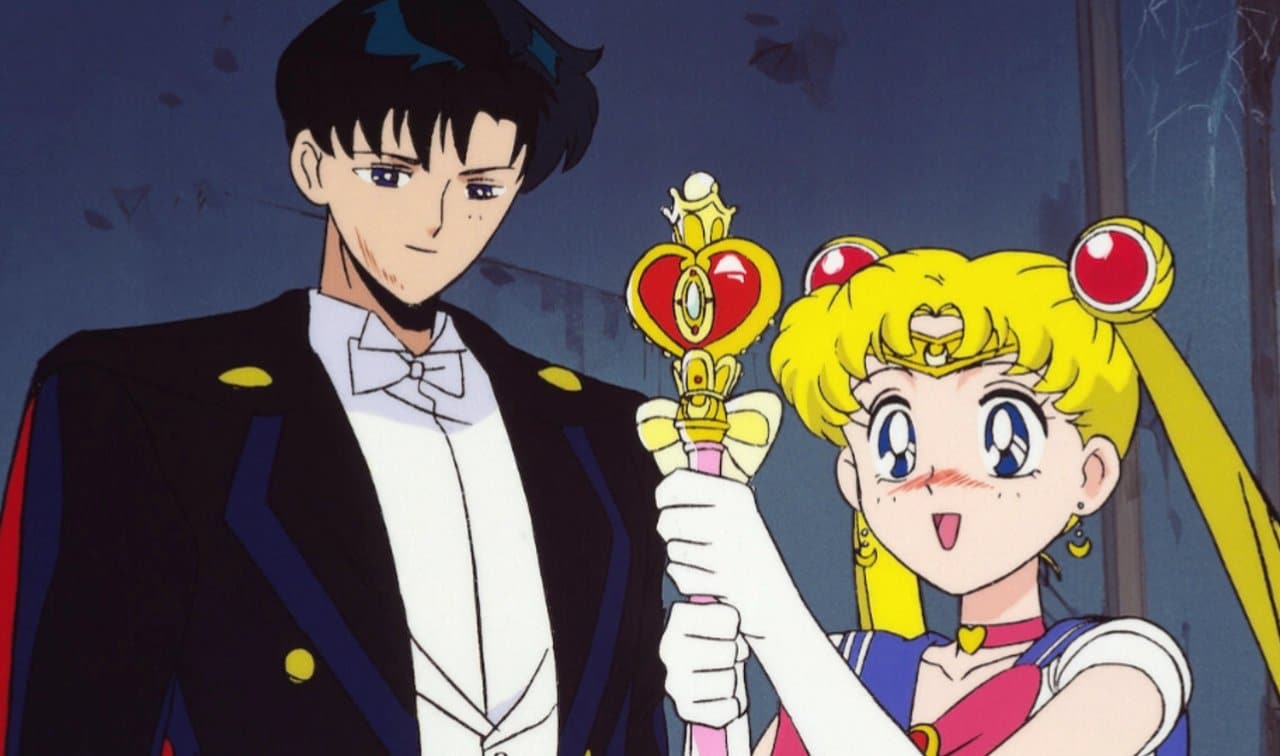
Other genres were also revolutionized. “Sailor Moon” revitalized the concept of magical girls, combining action and romance in a way that empowered female audiences. Nos sports, “Slam Dunk” was responsible for popularizing basketball throughout Ásia, mixing the realism of the sport with school drama. Mais Recently, works such as “The Melancolia of
