

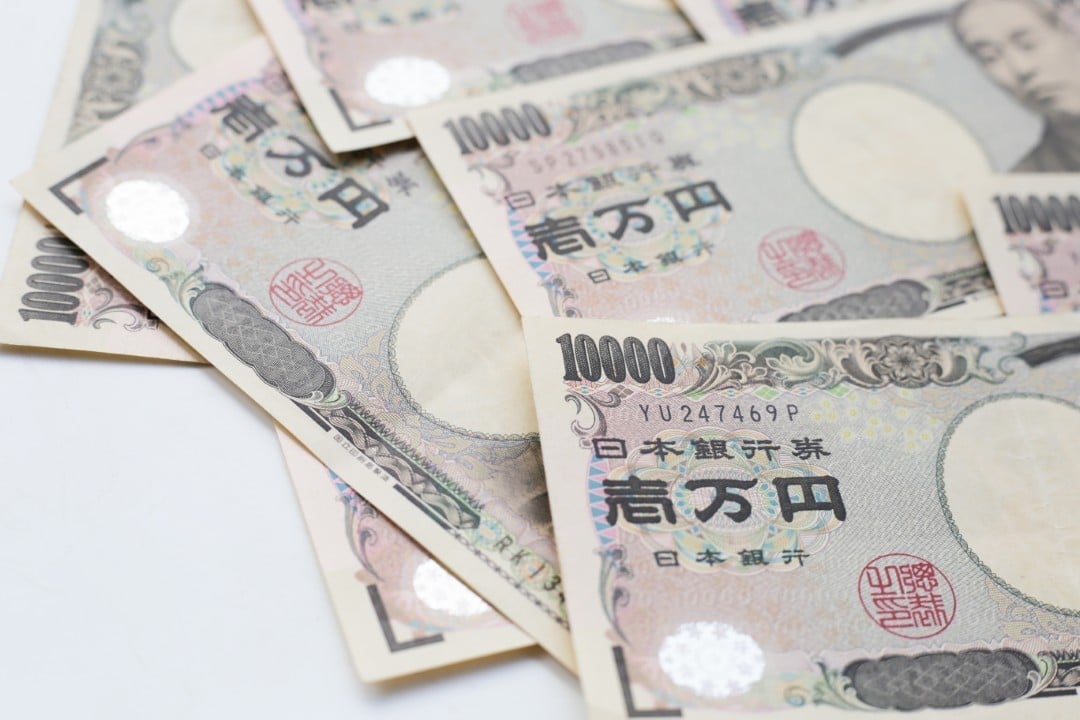
The Japanese yen registered a temporary rise against the US dollar this Tuesday (11). The currency reached the upper range of 152 yen per dollar at Tóquio. The movement reflects the perception of weakening in the Estados Unidos economy.
The price marked the yen’s strongest level since the beginning of November last year. Operadores attributed the appreciation to the fall in the yields of long-term American Tesouro bonds. Dados recent US retail sales contributed to the scenario.
The dollar was trading at 153.31-153.32 yen at around 4pm on Sydney. The value represents a decline from the 154.34-154.44 yen recorded in Nova York the previous day. The session at Tóquio had closed with the dollar between 155.56-155.58 yen.
Factors that boosted the yen
The fall in long-term Treasuries yields exerted selling pressure on the dollar. Investidores adjusted positions in light of indicators that point to a lower growth rate in the Estados Unidos.
Weak US retail sales data reinforced bets on more aggressive interest rate cuts by Federal Reserve. Essa expectations favor currencies such as the yen, considered a safe haven asset in periods of uncertainty.
- Sharp drop in US Tesouro 10-year bond yields;
- Review of expectations for the monetary policy of Fed;
- Increase in yen long positions by hedge funds.
Movement in the Asian market
The yen gained strength as soon as trading opened at Tóquio. The Japanese currency quickly advanced to 152 yen per dollar in the first hours of the session.
Operators reported high volume of purchases by Japanese exporters. Essas companies usually repatriate revenue in dollars when the yen strengthens.
The rally lost some momentum during the Asian afternoon. The dollar regained ground as investors took profits.
Context of American yields
US 10-year Tesouro bond yields fell to levels near 4.2%. The drop occurred after the publication of indicators considered below projections.
Analysts highlighted that the market is pricing in a greater probability of interest cuts in the first half of the year. Esse scenario reduces the attractiveness of the dollar as a yield asset.
The inverse relationship between bond yields and prices amplified the effect. Investidores moved to lower-risk assets, including the yen.
Recent quote history
The USD/JPY pair had been trading in the range of 154 to 156 yen in recent weeks. The current level represents a significant correction from the January highs.
In November last year, the yen had reached similar levels during an episode of global risk aversion. At the time, concerns about recession in the USA also boosted the Japanese currency.
Authorities from Banco from Japão maintained cautious speech about interventions. Recent Declarações indicate close monitoring but no signs of imminent action.
Reaction from Japanese exporters
Exporting companies such as Toyota and Sony closely follow the appreciation of the yen. The rise in the currency reduces the competitiveness of Japanese products abroad.
Automakers announced adjustments to profit projections for the fiscal year. The strength of the yen compresses margins when converting dollar revenues to yen.
Analysts estimate a negative impact of up to 5% on the operating results of large exporters. The effect depends on maintaining the price below 155 yen.
Outlook for the coming days
Operators await new American indicators scheduled for this week. Dados of inflation and consumer confidence can influence the direction of the price.
In Japão, the focus remains on discussions about fiscal policy. Medidas of stimulus may limit further yen gains.
The USD/JPY pair finds technical support near 152 yen. Queda below this level would open space for tests at 150 yen.
Monitored technical levels
The market identifies immediate resistance at 154.50 yen. Retorno above this level would neutralize part of the selling pressure on the dollar.
Subsequent supports are at 152.00 and 150.70 yen. Quebra of these points would reinforce short-term downtrend.
- Main resistance: 154.50-155.00 yen;
- Immediate support: 152.00 yen;
- Secondary support: 150.70 yen.
Impact on other peers
The dollar performed mixed against other major currencies. The euro held steady near $1.18, while the British pound gained ground.
Ásia emerging market currencies posted moderate gains. The South Korean won and Taiwanese dollar followed the yen’s movement.
The DXY index, which measures the dollar against a basket of currencies, fell 0.16%. The movement reflects the general weakening of the American currency.
Investor positioning
Hedge funds have reduced yen short positions in recent sessions. Dados from the CFTC shows a decrease in bets against the Japanese currency.
Institutional investors increased allocation to Japanese bonds. The search for yield in a low-interest environment in the Japão attracts capital.
The volume traded in the USD/JPY pair exceeded the average of recent weeks. Elevated liquidity facilitated broad moves during the Asian session.
Comparison with previous episodes
The current strengthening is reminiscent of episodes from 2025, when the yen gained strength following weak US data. On that occasion, the pair even tested 148 yen before verbal intervention from the authorities.
An important difference lies in Japanese monetary policy. The Banco of the Japão keeps interest rates close to zero, limiting room for increases.
Analysts project the price to remain between 150 and 156 yen in the short term. Fatores external and American data will continue to dictate the direction.
Effect on Japanese imports
The appreciation of the yen reduces the costs of importing energy and raw materials. Japão relies heavily on external oil and gas purchases.
Companies in the retail and food sector should record relief in margins. Preços of imported products tend to fall with a stronger currency.
Japanese consumers may feel a positive impact on the prices of imported goods. Persistent deflation in the country gains a temporary counterpoint.
The yen ended the Asian session with a gain of around 1% against the dollar. The movement consolidated the currency’s best weekly performance in months.