

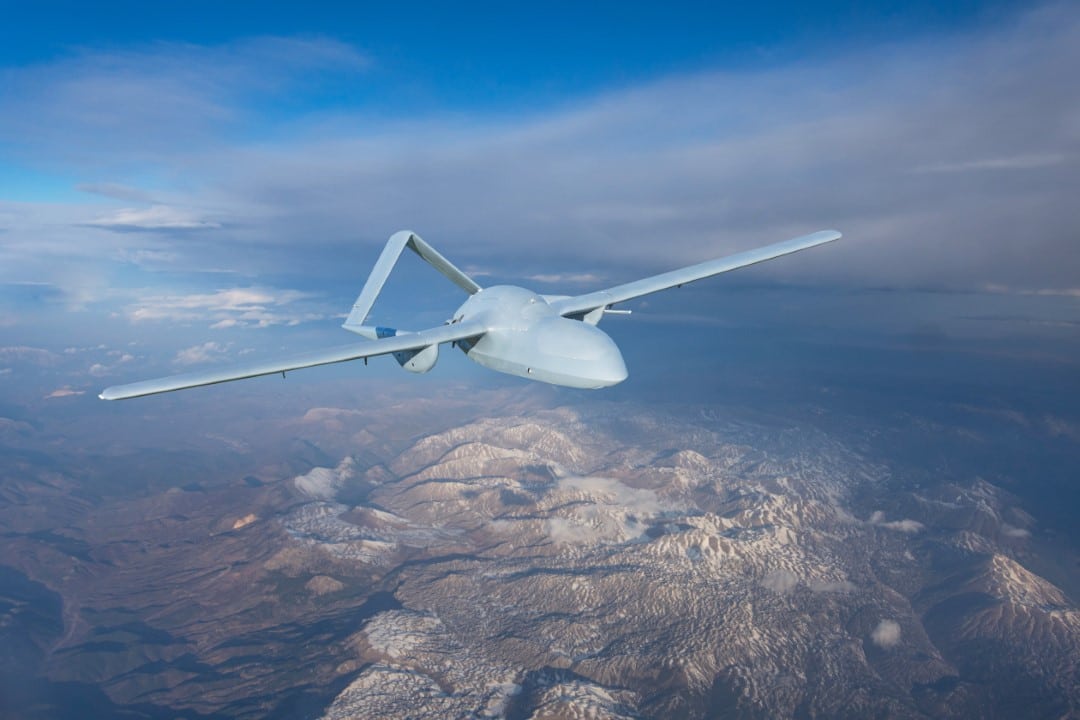
Aeroporto Internacional of El Paso, in Texas, faced a temporary closure of its airspace, triggering a series of speculations and disagreements about the real causes of the interruption. The measure generated confusion and inconvenience for passengers and airlines in the border region.
Inicialmente, the government of Donald Trump attributed the restriction to an incursion by drones operated by a Mexican cartel. Essa version, however, was quickly challenged by legislators and local press reports, which pointed to a completely different hypothesis.
Alternative theories, which circulated intensely behind the scenes in politics and the media, raised questions about the transparency of the incident:
- Inadvertent use of an anti-drone laser by Pentágono during testing.
- Premature deployment of defense technology without full security assessment.
- Confusion of a party balloon with a drone during military tests.
The situation highlighted the complexities of airspace security in sensitive areas, where military activities can clash with civil operations and geopolitical sensitivities.
Air restrictions and the official version
The Administração Federal of Aviação of the However, the restriction was lifted just hours after the announcement, adding more mystery to the incident.
Transportes’s secretary, Sean Duffy, used the X network to report that the FAA and Pentágono acted quickly to deal with the “incursion of drones belonging to a cartel.” Segundo his statements, the threat would have been “neutralized” and no longer represented a danger to commercial air traffic.
Controversies and the military hypothesis
Democratic congresswoman Verónica Escobar, representing El Paso, quickly called the official narrative into question. Ela stated that the explanation provided to Congresso did not corroborate the cartel drone version, indicating a miscommunication or an attempt to mask the true cause.
Pouco later, local press reports began publishing information about government tests with anti-drone technology at an air base close to Aeroporto Internacional of El Paso. The suggestion was that this military activity was the real reason for the area’s closure to civilian flights, and not the action of a cartel.
Broadcaster CBS, citing government sources, reported that the FAA closed the airspace due to doubts about the safety of carrying out technology tests so close to vital civilian infrastructure. Rádio Pública Nacional (NPR) added, stating that Departamento of Defesa implemented the system even before the completion of an FAA safety assessment, which led to the abrupt closure.
The enigmatic device and previous incidents
The newspaper The Wall Street Journal brought crucial information to light, revealing that the device in question was a type of laser, part of an anti-drone defense system. Fontes indicated that Pentágono had recently used this technology to shoot down what they believed to be a drone, but which in reality was a party balloon, highlighting the inaccuracy and risks associated with the tests.
Essa revelation added a layer of concern about the calibration and protocols for using these new technologies. Testes of targeted weapons, such as lasers, in areas close to civilian infrastructure require rigorous safety standards to avoid accidents or confusion that could compromise aviation safety and civilian lives.
Political and diplomatic reactions
The president of México, Essa diplomatic statement contrasts with the government’s initial claim Trump, indicating that the official version was not consensual even among allied nations.
Congressmen Rick Larsen and André Carson issued a joint statement suggesting that current law allows the military to act “recklessly in public airspace.” Essa criticism points to the need to review and strengthen regulatory frameworks to ensure that national security does not compromise civil security or cause unnecessary conflicts, especially in densely populated areas with heavy air traffic.
The complex relationship between the Estados Unidos and the México on the border, marked by issues of immigration and drug trafficking, serves as the backdrop for this incident. Enquanto the Trump government maintains an aggressive combat stance against “narco-terrorists”, the Mexican administration seeks a diplomatic balance, avoiding direct military interventions. Trump’s campaign promise to curb irregular immigration and tariff threats have driven increased border cooperation and México’s extraditions of cartel leaders, but incidents like this could strain those relations.
The impacts on civil aviation and the community
Como immediate consequence of the closure of airspace, several airlines were forced to suspend flights arriving or departing in El Paso, a city strategically located on the border with Ciudad Juárez, in México. Passageiros had their travel plans abruptly changed, and the local economy suffered with the interruption of activities.
The mayor of El Paso, Renard Johnson, called the measure an “unnecessary decision” and expressed his outrage at the lack of coordination with local authorities. Ele highlighted that something of this magnitude had not occurred in the region since the terrorist attacks of September 11, 2001, highlighting the severity and psychological impact of the event on the community.
The Aeroporto of
Meses before, on January 16, the FAA had already issued an alert about “military activity” in the airspace of regions close to México and countries in América Central and Sul. The agency recommended greater caution for a period of 60 days, suggesting that the tests and military activities in the region were not entirely unexpected, but the way they were conducted raised serious concerns.
Debates on airspace regulation
The controversy in Congressmen Rick Larsen and André Carson, members of Comitê of Transportes of
The discussion involves the search for a balance between protecting national security and ensuring the safety and efficiency of civil aviation. The FAA, when announcing the restriction, even warned of the possible use of “lethal force” against aircraft that violated the ban, an extreme measure that highlights the seriousness of the situation and the potential escalation of tensions, even if the target were just military tests.