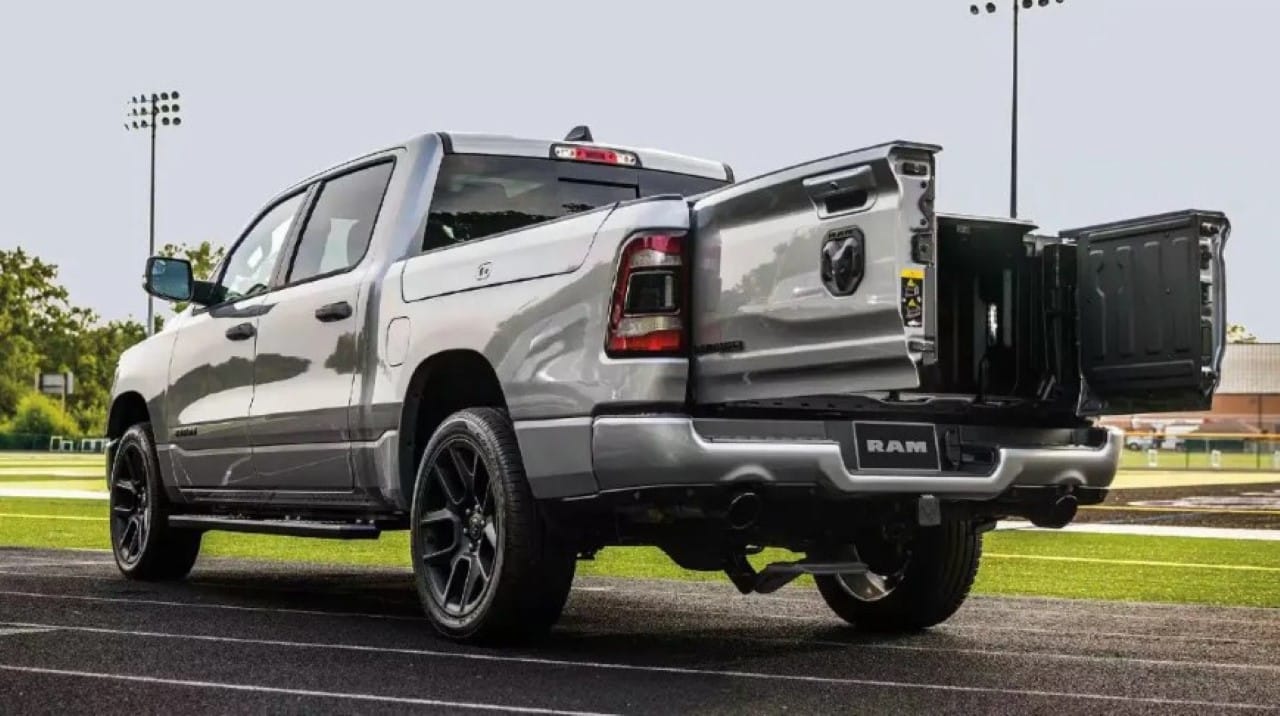
The automaker Essa move occurs at a crucial time for the industry, where energy efficiency and versatility of use have become determining factors in consumers’ purchasing decisions.
The planned changes go far beyond a simple mid-life visual restyling, requiring deep interventions in the body structure to accommodate new functional components. The engineering team focuses efforts to further differentiate the product from its platform peers, raising the level of sophistication to justify the car’s premium positioning. The schedule points to a launch that will reinforce the manufacturer’s robust identity, offering an improved combination between the comfort of a sports utility vehicle and the work capacity of a traditional pickup truck.
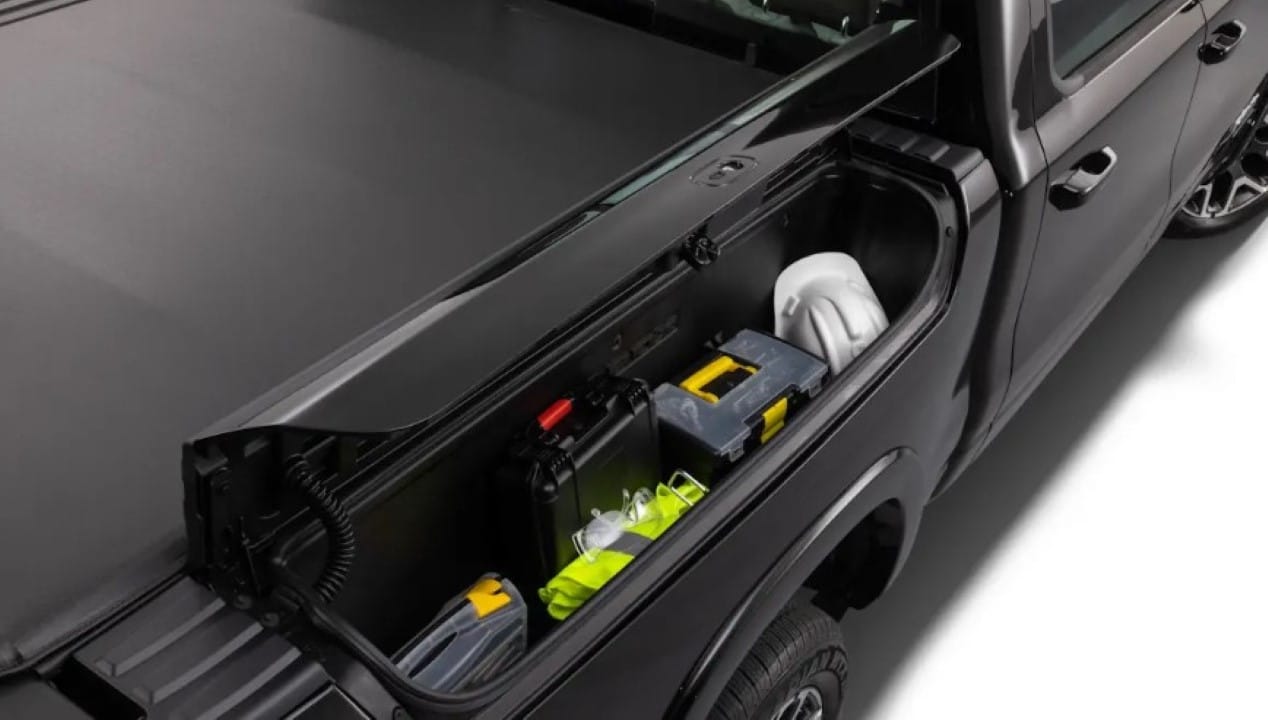
RamBox enclosure implementation
One of the main technical innovations confirmed for the future update is the introduction of the RamBox system, a storage feature that uses the sides of the bucket over the wheel arches. The functionality allows the safe transport of smaller objects, tools or sports equipment in lockable, weatherproof compartments, optimizing space that usually remains unused in conventional pickup trucks. The solution is already widely recognized in the brand’s larger models, such as the 1500 and 2500, and its adaptation to a unibody pickup truck represents a considerable technical challenge.
To enable the installation of these compartments, the manufacturer will need to carry out complex modifications to the stamping on the rear sides of the vehicle, which explains the extended development time until the arrival of the 2028 line. The system not only serves as an additional trunk, but also has integrated drains that allow it to be used as a cooler for drinks and food, expanding the possibilities of use in leisure activities. Essa versatility is seen as an important competitive differentiator, distancing the model from input options and adding perceived value to the final product.

The adoption of the RamBox will also have visual consequences for the rear of the pickup, which should gain a wider and more muscular appearance due to the new design of the sides. Essa mudança estética funcional reforça o caráter utilitário do veículo sem comprometer o design, atendendo a uma demanda de consumidores que buscam praticidade sem abrir mão do estilo. The expectation is that the reception in the South American market will be as positive as that observed in the Estados Unidos, where the resource is a consolidated sales argument.
Electrification strategy with Bio-Hybrid technology
The 2028 update cycle will mark the pickup’s definitive entry into the electrification era, with the incorporation of hybrid systems developed to operate with ethanol and electricity. The Small Wide platform, the model’s construction base, is undergoing adaptations to receive the Bio-Hybrid technology, which aims to reduce pollutant emissions and improve energy efficiency. The system must combine the combustion engine with an auxiliary electric drive, ensuring additional torque at low speeds and helping to save fuel on urban journeys.
The development of this technology takes place in the automotive hub of Goiana, in Pernambuco, reinforcing the capacity of Brazilian engineering to create global solutions for Stellantis. Hybridization will allow the vehicle to meet increasingly stringent future environmental emissions standards without sacrificing payload capacity or performance in difficult terrain. Maintaining 4×4 traction combined with electrical efficiency is essential to ensure the longevity of the model in a market undergoing energy transition.
Aesthetic renovation and visual identity
The front design will undergo a complete redesign to mirror the aggressive lines of the new generation of the Ram 1500, creating a stronger family identity among the brand’s products. The front grille will receive enlarged dimensions and finishes that emphasize robustness, while the optical assembly will be redesigned to convey modernity and technological sophistication. The designers’ objective is to give the vehicle a larger perception, visually bringing it closer to the full-size pickup trucks that are icons in the segment.
At the rear, in addition to the structural changes for the RamBox, the headlights should adopt new internal LED arrangements and an exclusive light signature. Essas visual changes are essential to maintain the product’s appeal compared to competitors who also invest heavily in design. The update seeks to balance North American aesthetics with local consumer preferences, resulting in an imposing look that stands out in both urban and off-road environments.
Positioning in the competitive market
The planned update aims to protect the territory gained by the pickup in the intermediate segment, where it acts as a bridge between compact models and large pickup trucks with a spar chassis. The brand closely monitors the movements of traditional rivals such as Ford and The strategy of offering resources from superior segments is the key to retaining customers and attracting new buyers seeking innovation.
The commercial success since launch demonstrates that there is a pent-up demand for vehicles that deliver versatility and comfort, and the inclusion of the hybrid system and the RamBox reinforces this value proposition. The manufacturer is betting that these innovations will keep sales rates high, ensuring the model’s relevance in the regional portfolio. The constant evolution of the product reflects the company’s commitment to leading the pickup truck market in the América from Sul through technology and functional design.
