

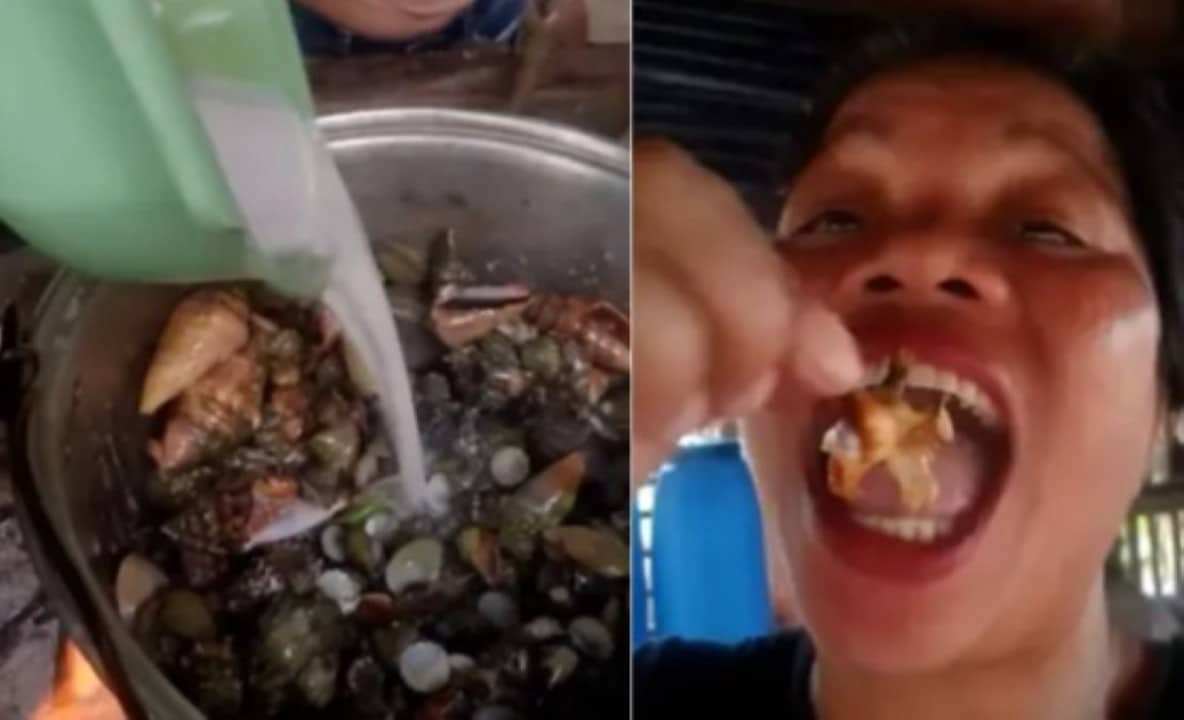
A tragedy involving the production of digital content shook the community of Puerto Princesa, in the province of Palawan, Filipinas. Gastronomic influencer Emma Amit, aged 51, passed away on February 6 after suffering severe poisoning caused by consuming a highly poisonous crustacean. The incident occurred following a recording for her social media, where she documented local cuisine.
The content creator had collected seafood in a mangrove area on February 4, capturing several specimens for a recipe video. Entre among the animals collected was the devil crab, scientifically cataloged asZosimus aeneus, which was prepared with coconut milk and ingested by the victim the next day, triggering a fatal biological reaction.
The first signs of poisoning appeared abruptly and aggressively shortly after the meal. Emma developed seizures and changes in the color of her lips, classic symptoms of marine neurotoxins, and was rushed to a local clinic and later transferred to a hospital, where she succumbed to systemic failure.
Subsequent investigations carried out by health authorities confirmed the cause of death when they found the shells of the toxic animal in the trash at the victim’s residence. The case reinforces the global warning about the dangers of ingesting marine life without proper technical identification, especially in tropical regions rich in biodiversity.
Hidden dangers in the mangrove forest
The Puerto Princesa region is famous for its vibrant ecosystems, attracting both tourists and locals who look to the mangroves for a source of fresh food. However, natural beauty hides biological traps that require in-depth knowledge to avoid.
Emma Amit dedicated her channel to showcasing the region’s rich fishing and cuisine, and the fateful video captured the exact moment the dangerous specimen was pulled from the water. The province of Palawan, despite its efforts in environmental preservation and education, still records periodic incidents involving local fauna.
Confirmation of the presence of theZosimus aeneusin the influencer’s food waste served as definitive evidence for the medical report. Especialistas point out that the visual distinction between edible and toxic species can be subtle to the untrained eye, transforming a routine activity into a deadly risk.
Devastating action of neurotoxins
The devil crab is a natural reservoir of potent poisons, accumulating lethal substances through its diet in the coral reefs of the Indo-Pacific. The main toxins found in this animal are saxitoxin and tetrodotoxin, both known for their ability to paralyze the human nervous system in a matter of hours.
Unlike bacteria or viruses common in spoiled foods, these neurotoxins have impressive thermal resistance. The cooking process, even at high temperatures or prolonged boiling, is unable to neutralize the poison, which makes culinary preparation ineffective as a safety measure.
The ingestion of these substances triggers a blockage in the sodium channels of the nerves, preventing communication between the brain and muscles. The result is a progressive paralysis that invariably affects the diaphragm and intercostal muscles, leading to acute respiratory failure.
– Saxitoxin causes an immediate sensation of tingling in the extremities, generalized muscle weakness and respiratory collapse.
– Tetrodotoxin, the same found in pufferfish, acts extremely quickly and has a high lethality rate, with no known antidote.
Clinical evolution and death
Emma’s health deteriorated at a frightening speed on February 5th. Testemunhas and neighbors reported that the seizures began shortly after eating, requiring immediate transportation to emergency medical care.
Upon arriving at the health unit, the influencer already showed signs of cyanosis, evidenced by the darkening of her lips due to the lack of oxygen in her blood. Loss of consciousness occurred during transfer to a larger hospital, indicating the irreversible spread of toxins in the body.
Death was declared a few hours after the onset of symptoms, highlighting the aggressiveness of the poison. Current medicine only offers supportive treatments to maintain vital functions, such as mechanical ventilation, but the absence of a specific antidote makes recovery extremely difficult in cases of direct ingestion.
Characteristics for identification
O Zosimus aeneusIt has physical characteristics that should serve as a warning, but that often go unnoticed by lay people. The animal displays a striking reddish-brown carapace, adorned with distinct white or yellowish spots.
This crustacean inhabits shallow waters and is often found in coral reefs and mangrove areas, feeding on detritus and other organisms that contain the toxins that it bioaccumulates. Seu size, varying between 5 and 10 centimeters, facilitates manual capture, increasing the risk of accidents.
Traditional fishermen in the region tend to avoid any crab with very bright color patterns or contrasting spots. Visual education is the main defense tool, as the appearance of the animal is the only sure indication of its toxicity before consumption.
The species has a wide geographic distribution, occurring from the coast of África Oriental to Pacífico Central. Nas Filipinas, its presence is common, which requires constant vigilance from coastal communities and local authorities.
Control and prevention measures
Following the death of Emma Amit, health officials from Palawan intensified public awareness campaigns. The main recommendation is to strictly avoid consuming any seafood collected without the supervision of an expert or experienced fisherman.
The region’s history shows that this is not an isolated case, with two other previously recorded deaths involving similar species. Materiais information with photos and descriptions of dangerous animals are being distributed in community centers to prevent new tragedies.
Inspection was also reinforced at local markets and fishing landing points. The objective is to prevent toxic specimens from entering the commercial chain, ensuring that only safe products reach the tables of consumers and tourists.
Hospitals in the region maintain emergency protocols for marine poisonings, but speed of care is crucial. Authorities reinforce that, at the slightest sign of tingling or discomfort after eating seafood, seeking medical help should be immediate.