

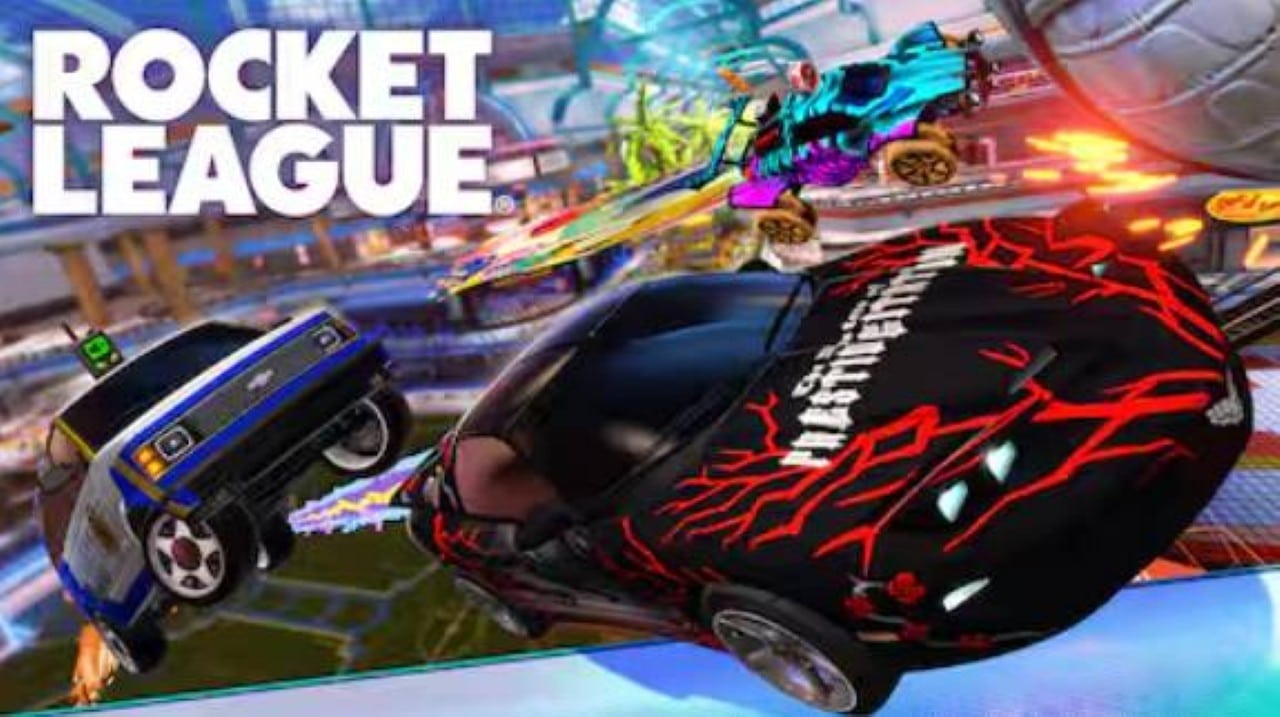
Psyonix has officially released version 2.64 of its popular vehicular football game, bringing significant adjustments aimed at the new generation of Nintendo consoles. The data pack, released on January 22, focuses exclusively on extracting the potential of the newly released hardware, raising the standards of fluidity and visual fidelity for players.
Esta strategic update eliminates the need for a separate native version by optimizing existing code to run with higher technical specifications. The developer prioritized frame rate stability and image clarity, meeting long-standing demands from the competitive community that migrated to the new platform.

The changes implemented profoundly modify the user experience, automating processes that previously required manual configuration. The system now intelligently manages processing resources, ensuring the game operates at its maximum capacity without user intervention.
With the console’s installed base growing, continued technical support demonstrates a commitment to keeping the title relevant nearly a decade after its original release. The update serves as a technical bridge, bringing the portable version on par with the more robust desktop console editions.
Graphics performance technical details
The main highlight of the update lies in the standardization of resolution and frame rate. In docked mode, when the console is connected to the television, the game now operates at native 1080p with a fixed rate of 60 frames per second (FPS). Essa stability is crucial for precision movement in high-level matches.
Para the portable mode, the engineering team adopted a dynamic resolution solution. The goal remains to achieve 1080p at 60 FPS, but the software adjusts the pixel count automatically in highly complex scenes to avoid performance drops. Isso ensures that gameplay remains fluid even when disconnected from the base.
More on this story: SpeedRunners 2 confirms arrival in September with version for Switch 2
The elimination of technical bottlenecks represents a considerable advance compared to performance on previous hardware. Consistency in frame rendering reduces input lag, providing more immediate responses to control commands.
Visual and texture improvements
Além of the raw performance, the image quality received specific post-processing treatments. The introduction of improved anisotropic filtering results in sharper textures, especially when viewed at oblique angles, which is common when vehicles move quickly.
The lighting system has been refined with the inclusion of ambient occlusion. Essa shading technique adds depth to scenes, creating more realistic shadows at the points where objects and surfaces meet, such as car wheels in contact with the lawn.
- Cast shadows now have higher resolution, eliminating visible jaggies.
- Details of the environment, such as the stands and elements outside the field, are more visible.
- Particle effects and neon lights in stadiums gained greater intensity and definition.
Esses visual adjustments bring the hybrid console version closer to those found on high-performance computers. Visual clarity makes the game easier to read, allowing players to identify the ball and opponents more easily.
On the same topic: Rumor suggests that Nintendo is preparing a special edition of the Switch 2 with a remake of Ocarina of Time
Simplifying user settings
A notable change to the interface is the removal of the selector between “Quality” and “Performance” modes. Psyonix chose to unify configurations, trusting that the new hardware supports the ideal combination of both worlds simultaneously.
Essa simplified approach removes the player’s doubt about which priority to choose. The game loads by default with all enhancements enabled, ensuring that all users on the platform have the same visual and competitive experience.
Additional content and system tweaks
Version 2.64 also expands customization options for cosmetic item enthusiasts. The slot limit for car presets has been increased to 75, allowing collectors to save a wider variety of skin combinations.
Novos players benefit from the option to skip the initial tutorial. Essa functionality speeds up access to online modes for those who create secondary accounts or are already familiar with the game mechanics on other platforms.
The update cycle also brought themed content, including temporary events in partnership with entertainment franchises, such as South Park, keeping the rotation of new features active in the store and in weekly challenges.
Learn more: Check out 10 competitive PVP games ideal for challenging friends now
Impact on the competitive landscape
The technical parity achieved in this update strengthens the cross-play ecosystem. Jogadores from the Nintendo console now faces opponents from PC and other platforms with fewer technical disadvantages, balancing the disputes in the ranked queues.
Stability of 60 FPS is considered the minimum standard for serious competition in the title. By securing this brand, the developer validates the platform as a viable option for online training and tournaments, without the restrictions that limited the previous generation.
Community response indicates that the perception of fluidity has transformed gameplay. Manobras complex aerials and dribbles become more consistent when the visual response follows the mechanical execution without delays.
History of evolution on the platform
Desde debuted in the Nintendo ecosystem in 2017, the game went through several iterations to adapt to hardware limitations. The transition to the free-to-play model in 2020 massively expanded the user base, requiring continuous optimizations.
The arrival of this specific update for the new console marks a turning point. The game goes from being a contained adaptation to becoming a complete version, using modern graphics processing resources.
Psyonix maintains a unified update strategy, where base improvements benefit the entire ecosystem. The focus on new hardware suggests that future patches could further explore the machine’s capabilities as development tools evolve.