
The convergence between mobile ecosystems and the automotive industry reached a new level with the recent software update made available by the North American technology giant. The new functionality allows drivers and passengers to mirror video content directly on the vehicle’s dashboard screen, meeting a long-standing demand for greater on-board entertainment options. The feature uses AirPlay technology to transmit images, but operates under strict security protocols that restrict operation exclusively to moments when the car is completely immobilized.
This implementation marks a significant change in the way infotainment systems are designed. Até then, screen mirroring was primarily focused on GPS navigation, phone calls and audio applications such as music and podcasts. The release of the video required joint development between software engineers and road safety experts to ensure that the new feature did not contribute to distracted driving, one of the main factors in traffic accidents around the world.
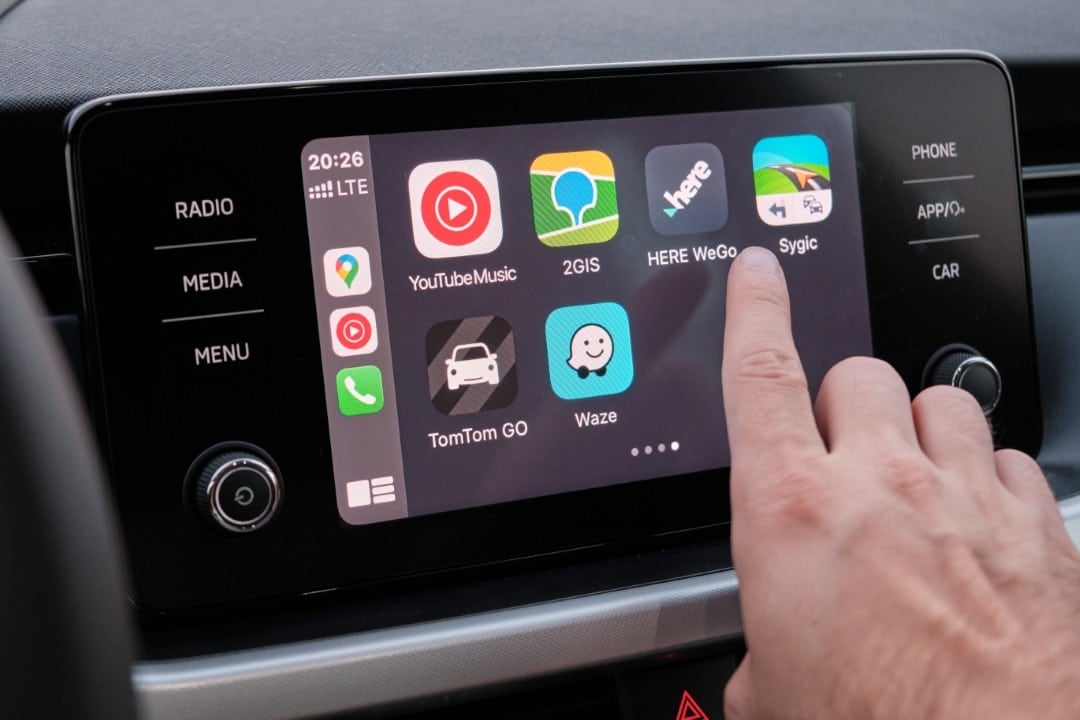
The technology arrives at a strategic time for the sector, driven by the growth of the electric vehicle fleet and the need to occupy occupants’ time during technical or waiting stops. The native solution promises to eliminate the need for third-party adaptations or technical “workarounds” that often compromise the vehicle’s warranty or the safety of electrical systems.
Locking systems and integration with sensors
To ensure that the new function does not interfere with the driver’s attention while driving, a digital locking system was developed that communicates directly with the car’s sensors. The mechanism is capable of instantly detecting any movement of the wheels or gear changes, immediately interrupting the video transmission. Assim Once the car starts moving, the screen returns to the standard navigation or audio interface, ensuring compliance with international traffic laws that prohibit entertainment screens in the driver’s field of vision while driving.
The technical implementation requires mutual verification between the cell phone and the multimedia center. Antes after releasing the video signal, the system checks whether the parking brake is activated and whether the gear lever is in the “Parking” position. Essa extra layer of validation was essential for the update to receive approval from road safety regulatory bodies in several countries, who viewed the introduction of dynamic visual elements on the dashboard with caution.
In addition to motion sensors, the software uses GPS data to confirm that the vehicle is not just stuck in a traffic jam or at a traffic light, situations in which the driver’s attention is still required. The logic of the system is to allow relaxation only in situations of safe and prolonged stopping, avoiding misuse in momentary stops in urban traffic.
Time optimization in electric vehicles
The main anticipated usage scenario for this technology is waiting time, especially for electric vehicle owners waiting for charging cycles at public stations. Transformar the vehicle’s cabin in a temporary living room makes idle time more productive and enjoyable, allowing you to watch series, films or news while the battery is recharged. With the charging infrastructure still expanding, stops of 20 to 40 minutes are common in these drivers’ routines.
Another relevant target audience is parents waiting for children at schools or extracurricular activities. The ability to watch high-definition content on the car’s screen, using the vehicle’s sound system for an immersive experience, adds value to time that was previously considered wasted. Integration with the brand’s ecosystem allows the user to start watching a video on their cell phone and, when entering the parked car, transfer the playback to the larger screen with just one touch.
Hardware requirements and automaker compliance
The transmission quality depends on the vehicle’s hardware infrastructure, but the technology ensures support for high resolutions and audio synchronization without noticeable latency, using a direct Wi-Fi connection between the mobile device and the car. Diferente compared to previous solutions that required cables or unofficial modifications to the system, the new approach offers a native and fluid experience, integrated into the ecosystem already familiar to the brand’s users.
Although the functionality is present in the mobile operating system update, its effective activation depends on the compatibility of the equipment installed by car manufacturers. Automakers need to certify their hardware within the official licensing program to enable the video feature via AirPlay. Algumas brands in the premium segment have already confirmed compatibility in their latest models, while others are working on software updates to release the function in vehicles already sold that meet the necessary technical requirements.
The requirement for a robust wireless connection within the vehicle is one of the crucial points. Streaming high-definition video requires more bandwidth than is needed for audio and maps. Therefore, entry-level models or those with older multimedia centers may not support the new feature, creating a market segmentation based on the processing capacity of the infotainment systems.
Evolution of automotive interfaces
Historically, automotive projection systems were limited to audio, navigation and voice communication utilities, with simplified interfaces to minimize distractions. The introduction of video support represents a paradigm shift, bringing the in-car experience closer to that offered by other smart home devices. Analistas of the market point out that this movement is a preparatory step for a future where autonomous vehicles will be more common, radically changing the way passengers interact with travel time.
Competition in the automotive operating system industry also drives these innovations. With rivals offering integrated solutions that do not require the use of a cell phone, the strategy of expanding mirroring capabilities aims to maintain the relevance of the platform and user loyalty. The update reinforces the commitment to offering a continuous ecosystem, where the user’s personal content is available on any screen, as long as the established security conditions are respected.
In addition to entertainment, the functionality opens doors to productivity applications. Videoconferências, which were previously performed solely via audio in the car, can now include the visual component when the vehicle is parked, transforming the automobile into a viable mobile office for executives and professionals who spend much of their day on the go.
