

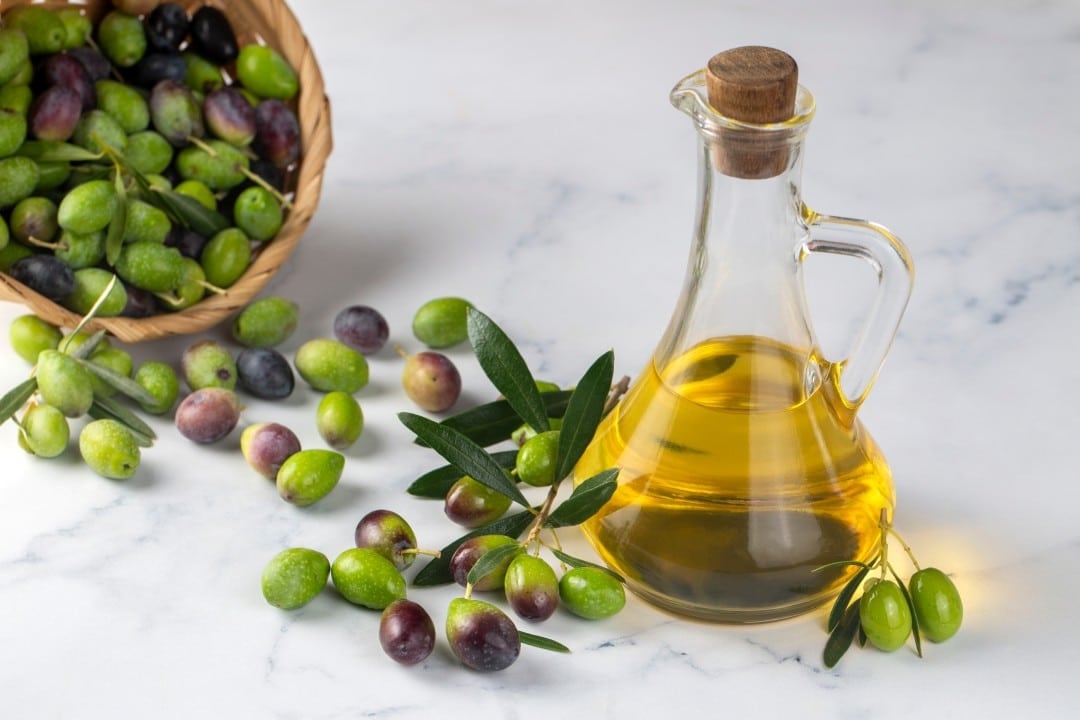
A rigorous investigation conducted by the consumer protection organization Stiftung Warentest revealed, this Thursday (29), a worrying scenario for the olive oil market in Europa. The study evaluated 25 brands of extra virgin olive oil and concluded that the vast majority of products do not meet the standards of excellence expected for the category. Apenas four labels received a “good” rating, while eight were rejected due to serious quality and safety flaws.
Laboratory tests identified problems ranging from noticeable sensory defects on taste to the presence of unwanted chemical contaminants. The products analyzed were purchased in several retail chains, including conventional supermarkets, discount stores and organic product emporiums, with a significant price variation between 7.99 and 54 euros per liter. The disparity in values, however, did not guarantee freedom from failure in more expensive products.

Especialistas point out that the drop in the general quality of oils is directly linked to external and procedural factors. Adverse weather conditions in the Mediterrâneo producing regions, combined with errors in the storage and processing of olives, resulted in lower harvests. Embora none of the olive oils pose an acute and immediate risk to public health, the defects found disqualify many of them from the noble “extra virgin” category printed on the labels.
Sensory failures and chemical contamination
Sensory analysis, carried out by a panel of trained tasters following União Europeia standards, was decisive for the rejection of several batches. Quatro olive oils presented notes of rancid or musty flavor, unacceptable characteristics for the extra virgin standard. Esses defects generally occur when olives undergo fermentation before pressing or when the oil is exposed to oxygen for a prolonged period of time.
Além In terms of taste, chemical analysis brought alarming data about the purity of the products. Três olive oils contained high levels of mineral oil components, including substances from the MOAH group, which are potentially carcinogenic. In one specific case, the presence of DBP, a plasticizer considered harmful to the reproductive system, was detected, while three other products showed traces of chloroparaffins.
The German foundation highlighted that these contaminants are avoidable through good agricultural and industrial practices. The presence of these substances suggests flaws in the production chain, from harvesting to packaging, compromising the integrity of a food that is widely sought after for its health benefits.
Climate impact on global production
The olive oil sector is facing a structural crisis driven by climate change. The prolonged drought and extreme heat waves that hit the south of Europa, especially Espanha — the world’s largest producer — have drastically affected the development of olive trees. Water stress reduces fruit quality, making it difficult for producers to maintain the high standards of previous harvests.
Jochen Wettach, test leader, noted that the market is increasingly receiving medium quality oils. The scarcity of healthy, ripe olives forces the industry to work with raw materials that already arrive at the presses with compromised quality potential. Esse scenario explains the difficulty in finding products that perfectly combine aroma, flavor and chemical purity.
Approved brands and positive highlights
Apesar From the overall negative outlook, the test highlighted four products that managed to maintain the expected integrity. Estes olive oils presented sensorial balance, with fruity notes and moderate bitterness, in addition to being free of contaminants at worrying levels. Approved brands demonstrate that it is still possible to produce high-quality oil even in difficult times.
Entre the recommended ones, the extra Cillo Mono Natives Olivenöl Coratina stood out, although with a high price of around 54 euros per liter. Para consumers looking for more affordable options, the Alnatura Bio-Olivenöl nativ extra was cited as an excellent organic choice, costing 13.98 euros. Outros approved names include Mitos Griechisches and Bertolli Originale, which have maintained consistency across their batches.
A unanimous positive point in all 25 products tested was the presence of polyphenols. Todos olive oils recorded levels above 250 mg/kg of these antioxidant substances, essential for cellular protection and cardiovascular health. Isso indicates that even oils with sensory defects still preserve part of their intrinsic nutritional value.
Storage Recommendations
Para To ensure that the olive oil maintains its properties after purchase, correct storage is essential. Oxidation is the biggest enemy of the flavor and nutritional quality of the product. Consumidores should keep bottles in cool places and protected from light, preferably in closed cupboards and away from the stove.
Recipientes dark boxes or cans are the best options to block the entry of light, which accelerates oil degradation. Especialistas also recommend that consumption occurs within 12 to 18 months after the date of production, as olive oil, unlike wine, does not improve over time and tends to lose its fresh and fruity characteristics as it ages.



