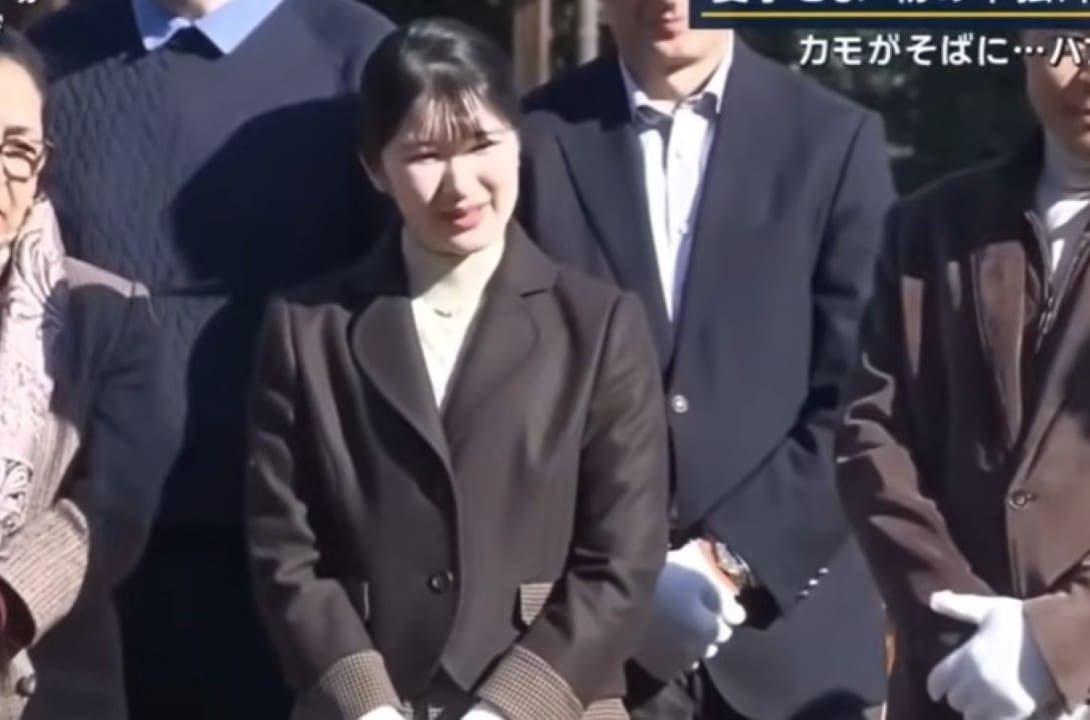
The Japanese monarchy is going through a decisive moment in 2026, marked by an evident contrast in the trajectories of the young members of the imperial family. Enquanto to Princesa Aiko consolidates its public image through a robust official agenda and proximity to current sovereigns. Essa divergence of paths reignited discussions about the stability of the institution and the relevance of the laws that govern the line of succession of Trono of Crisântemo.
Experts in royal affairs point out that the visibility of Aiko, daughter of Imperador Naruhito, fills a gap left by the necessary dedication to her cousin’s studies. The princess, who turned 24 last December, has been a constant figure at state ceremonies and diplomatic events, garnering high levels of popular sympathy. Sua active presence in the palace allows for practical, daily learning of rituals, something that became logistically complex for the presumptive heir.
Príncipe Hisahito, in turn, faces the challenge of balancing the demands of his degree in life and environmental sciences with the expectations of his future role. Diferente of his father, Príncipe Akishino, who grew up under the direct tutelage of the previous emperor, the young heir has fewer opportunities to coexist with the current monarch. The family structure and separate residence limited the daily observation of imperial functions, restricting their contact to specific events on the traditional calendar.
The current scenario exposes the fragility of the Lei of the 1947 Casa Imperial, which restricts succession exclusively to the patrilineal male lineage. With the scarcity of men in the family and the possibility of women losing their imperial status by marrying commoners, the number of active members to fulfill official duties progressively decreases. The popularity of
Differences in dynastic and academic preparation
Príncipe Hisahito’s routine has undergone significant changes since entering university in 2025. The intense focus on academia, prioritizing subjects such as biology and environmental studies, has drastically reduced his availability for public agendas. Embora this dedication to studies follows a tradition of erudition in the family, it creates a physical and symbolic distance from the daily operations of the throne, limiting your exposure to essential rituals such as the Niiname-sai.
There is also the possibility that the prince will seek specializations abroad in the coming years, following the example of other royals who obtained doctorates from foreign institutions. A possible season outside of Japão, although enriching from an intellectual point of view, could extend the period away from palatial obligations. Analistas suggest that such a decision would require meticulous planning so as not to compromise public perception of their commitment to the nation’s future.
In return, Princesa Aiko benefits from her residence in Palácio Imperial, which facilitates a natural immersion in the duties of the crown. Sua participation in international trips, such as the official visit to Laos carried out the previous year, demonstrated diplomatic maturity and reinforced his ability to represent the country. His constant appearance alongside his parents at national events solidifies his image as a pillar of stability and continuity, contrasting with the more reserved and academic figure of his cousin.
Impact of legislation on historical continuity
The rule of male succession, formally established in the Meiji era in 1889 and maintained in the postwar constitution, is the central point of the dynastic impasse. The Japão has a history of eight empresses who reigned in previous periods, ensuring stability in times of transition, but current law ignores this precedent. Sem sons, the Imperador Naruhito sees the line of succession shift to his brother and, subsequently, to his nephew, excluding his only daughter.
The current configuration of the imperial family places immense responsibility on the shoulders of Hisahito. Sendo the only man of his generation, he represents the only guarantee of the dynasty’s continuity under current rules. The aging of the other eligible members, such as Príncipe Hitachi, makes the family tree dangerously narrow, turning any decision about the young prince’s personal or academic life into a matter of Estado.
Scientific interests and national identity
Hisahito’s particular interest in studying dragonflies is not just a hobby, but carries deep cultural symbolism. The insect, historically associated with Japão’s ancient name, “Akitsushima,” offers a unique connection to the archipelago’s mythological and natural roots. Pesquisadores believe that, if well conducted, this scientific passion can help shape a modern imperial identity, connected with environmental preservation and history.
However, transforming this academic interest into political and symbolic capital takes time. University education requires full dedication, competing with the time needed for ceremonial training. The challenge lies in integrating these studies into the public persona of the future emperor, demonstrating that his temporary absence from the spotlight results in solid intellectual preparation to lead the country in the future.
Japanese society pays close attention to how young people will balance these two spheres of their lives. Graduating from high school and transitioning into adulthood were milestones closely watched by the media, looking for signs of what Hisahito’s leadership style will be like. Cada public appearance is meticulously analyzed for signs of its readiness to assume the weight of ancient tradition.
Meanwhile, the public narrative continues to be dominated by the charismatic presence of Aiko, whose popularity defies conservative norms.
Perspectives for the reform of the imperial house
The Japanese government maintains a cautious stance regarding changes to Lei from Casa Imperial, despite popular outcry and the evident need to ensure succession. Comissões governments have debated alternatives, such as allowing women to remain in the family after marriage to lead collateral branches, or even the reintegration of former noble branches removed after Segunda Guerra Mundial. However, the proposal to allow a reigning empress faces resistance from conservative wings who see the essence of the Japanese monarchy in the patrilineal lineage. Time is pressing, and the disparity between the reality of the imperial family — supported today by women’s work — and the rigidity of the law creates a paradox that will define the future of the institution in the coming decades.
