
The global automotive sector faces a new logistical obstacle that directly impacts the availability of high-tech models at dealerships. Toyota has officially announced the temporary suspension of accepting new orders for one of its most sought-after SUVs, citing continued difficulty in obtaining essential electronic components and semiconductors. The drastic measure aims to contain the growth of a waiting list that current manufacturing capacity cannot absorb in a timely manner.
Este scenario reflects a persistent mismatch between the high demand for electrified vehicles and the reality of the international supply chain. Para To mitigate consumers’ frustration and guarantee the delivery of units already sold, the automaker chose to freeze the entry of new requests. Projections indicate that the normalization of order flow and the reopening of sales for this specific model should only occur in the second half of 2026, by which time the company hopes to have stabilized the supply of critical parts.
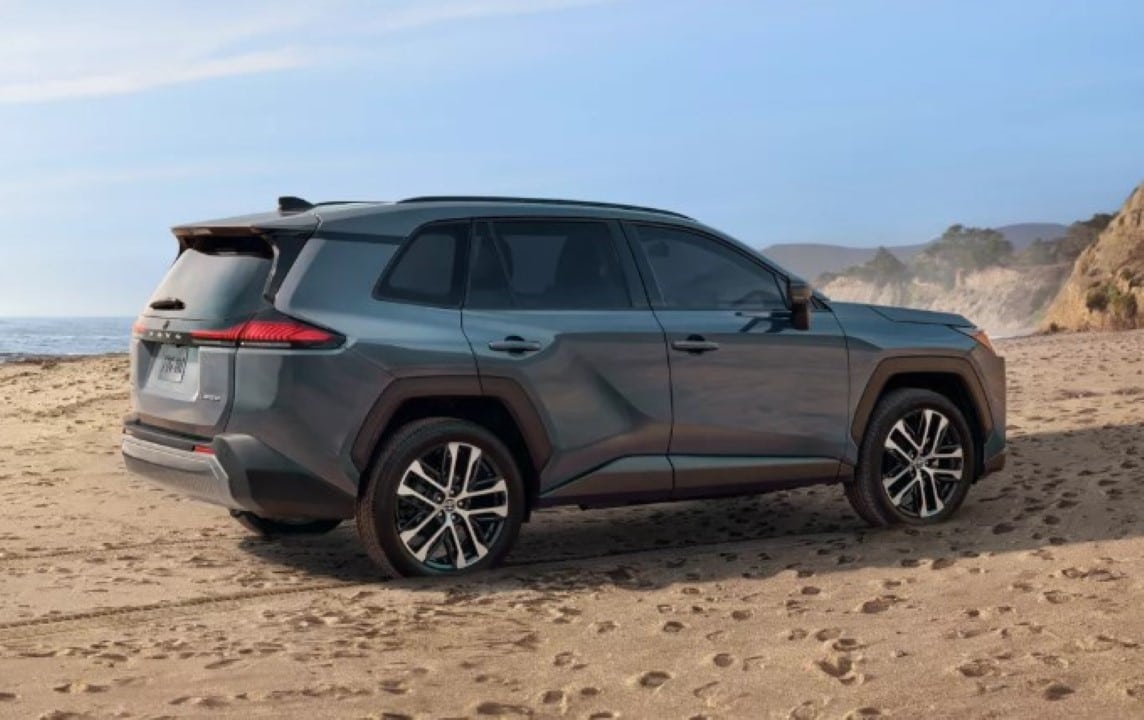
The containment strategy has the central objective of maintaining transparency with the dealer network and, mainly, with the end customer. By limiting the entry of new contracts, the manufacturer seeks to avoid unrealistic delivery times that could last for years, preferring to focus its resources on completing vehicles that are already on the assembly schedule. The company reinforces that the balance between the supply of components and the production line is vital to not compromise the quality of the cars delivered.
Immediate impact on the used car market
The suspension of sales of the brand new model generated an instant reaction in the used and pre-owned vehicle market. With the impossibility of configuring and purchasing a new model at the dealership, the demand for units of the same SUV that are already in circulation skyrocketed, raising prices to unprecedented levels. Immediate availability has become a valuable asset, meaning that, in some cases, the resale value exceeds the list price of the new model.
Esse phenomenon of appreciation temporarily distorts the segment, forcing buyers to pay a premium for faster possession of the good. Para independent retailers and resellers, this is a time of high stock turnover, as the shortage in new production keeps the secondary market heated. Enquanto production does not resume its usual pace, the trend of high used prices remains, serving as the only alternative for those who need the vehicle in the short term.
Technological dependence and TNGA platform
The affected model is built on the global TNGA (Toyota New Global Architecture) architecture, specifically the GA-K variant, which requires complex electronic systems integration. The sophistication of the vehicle, which combines a hybrid engine with advanced security systems, makes it a hostage to the availability of microchips. The lack of these items prevents the completion of units that depend on data processing to operate safely and efficiently.
Dentre the main systems that demand high processing capacity and that justify the pause in production are:
- The Toyota Safety Sense active safety package, which integrates radars and cameras for autonomous braking and pedestrian detection.
- The hybrid set’s energy management system, responsible for alternating between the combustion engine and the electric engine.
- The digital instrument cluster and infotainment system, which require dedicated graphics chips.
- Lane monitoring and adaptive cruise control sensors, essential for driving assistance.
Production engineering works to ensure that, even with changes to the schedule, the integrity and performance of the vehicles are not compromised. The TNGA architecture is designed to offer a low center of gravity and high torsional rigidity, characteristics that depend on precise assembly. The decision not to replace components with inferior versions maintains the quality standard, even at the cost of months of suspended sales.
Supply chain management
The full resumption of commercial activities now depends on a logistical restructuring that involves suppliers from different continents. The automaker monitors the shipment of batches of semiconductors on a weekly basis to adjust the pace of the assembly line. The priority is to avoid sudden stops at the factory, maintaining a continuous flow, even if reduced, to meet old orders.
The hybrid system, which combines a 2.5-liter combustion engine with electric propulsion, is a key part of the brand’s decarbonization strategy and requires high-voltage batteries and controllers. The shortage is not just limited to silicon chips, but also affects the logistics of these high-voltage components. The normalization scheduled for the end of 2026 will be crucial for the company to regain its market share in this competitive segment, where energy efficiency is the main attraction for the modern consumer.
