

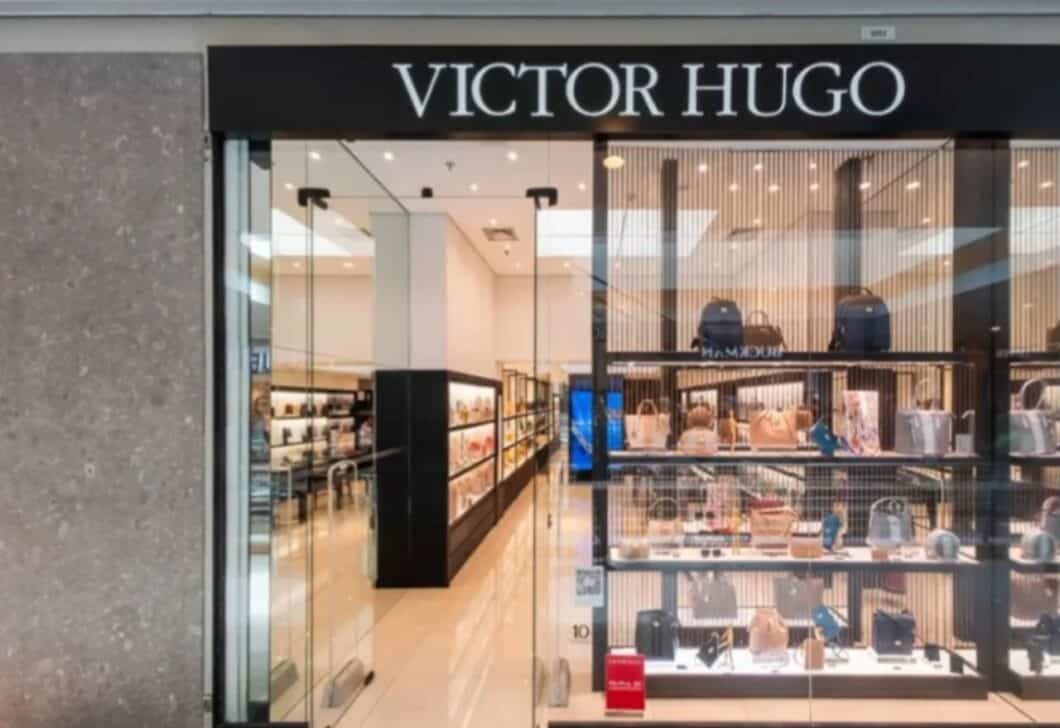
The Brazilian fashion house Victor Hugo, once a symbol of status and desire in the 2000s, is now in the spotlight of an insolvency process. A bankruptcy petition was formalized by Procuradoria-General of Fazenda Nacional and by Procuradoria of Estado of Rio of
Justiça of Rio of Janeiro accepted the request at the beginning of February, reaching three companies in the conglomerate, including Brasilcraft. The court decision reveals an accumulated debt that exceeds R$1.2 billion, with a significant part owed to União and another to the state of Rio de Janeiro.
The prosecutors claim that the persistent default is not a simple financial difficulty, but rather a deliberate business strategy. Suspeitas of maneuvers to hide assets and avoid tax obligations are the core of the complaint, casting a shadow over the brand’s legacy.
Former status and the bankruptcy filing of Victor Hugo

In the 2000s, carrying a bag from Victor Hugo was a true badge of prestige, adorning celebrities and fashion editorials, and even expanding with a store in Nova York. The upward trajectory of the brand, founded in 1980, seemed to indicate a prosperous and consolidated future in the luxury market.
However, the image of success began to fade in the face of increasing financial difficulties. The recent bankruptcy filing, accepted by the judiciary, marks a dramatic turning point for a brand that symbolized an era of national fashion, transforming itself from an icon to an example of contested financial management.
Billion-dollar debt points to tax fraud scheme
The extent of Victor Hugo’s debt is alarming, totaling around R$900 million owed to União and more than R$355 million to the state of Rio from Janeiro. Ongoing investigations suggest an ingenious brand transfer scheme to offshore companies located in tax havens, such as Uruguai and Belize. Tais asset movements between the group’s entities over the years raise serious questions about the intention to evade charges and compliance with tax responsibilities, indicating a complex arrangement to circumvent creditors and justice.
Blockades and the brand’s problematic history
Victor Hugo’s fiscal problems are nothing new to authorities. Já in January 2019, Justiça had ordered the blocking of the company’s assets due to tax debts which, at that time, totaled more than R$300 million.
At the time, in addition to freezing sales payments, founder Victor Hugo Alves Gonzalez was expressly prohibited from negotiating or selling the brand. Essas measures, however, were not enough to contain the growth of debt, which only intensified in the following years, culminating in the current situation.
In December 2025, a new attempt to transfer assets to a company controlled by foreign capital was registered. Essa action, perceived as yet another maneuver to avoid obligations, added weight to the accusations of strategic default that underlie the bankruptcy filing.
Agreement attempts and judicial inflexibility
The state attorney general, Renan Saad, emphasized that the initiative to file for bankruptcy was a measure of last resort, taken only after exhaustive attempts at negotiation with the group. Segundo him, the conversations did not progress due to Victor Hugo’s lack of interest in honoring its financial commitments and presenting a viable payment plan.
Given the lack of collaboration on the part of the brand, the prosecutors asked Justiça not only to prohibit the sale of goods, but also to continue operating the stores under new management. Essa condition aims mainly to safeguard jobs and mitigate the social impact of bankruptcy, demonstrating a concern beyond mere financial recovery.
Protecting jobs amid the crisis
One of the crucial points raised by prosecutors in the bankruptcy filing is the preservation of jobs. The continuity of operations under new management is seen as an essential strategy to ensure that hundreds of workers are not directly affected by the brand’s financial collapse, minimizing the economic and social impact.
Corporate transparency under investigation
Since its founding in 1980, the Victor Hugo fashion house has recorded a remarkable number of at least ten corporate changes. Este histórico de alterações frequentes nas configurações da empresa tem sido um dos pontos de foco das investigações sobre a sua conduta fiscal e as estratégias adotadas para gerir ou, segundo as acusações, evadir responsabilidades.
The authorities analyze each of these changes, looking for patterns or signs that the changes of partners and corporate structures were carried out with the aim of making inspection and debt collection more difficult. The complexity of these moves adds layers to the judicial process.
Procuradoria-General of Fazenda Nacional and Procuradoria of Estado of Rio of Essas transfers are seen as potential maneuvers to shield assets and remove them from the reach of creditors, making it difficult to recover amounts owed.
A thorough investigation of these corporate and asset records is essential to uncover the real extent of the alleged default strategy. The outcome of this analysis will be decisive for the direction of the bankruptcy process and for the future legal implications for those involved in managing the brand.
The precedent against large debtors and the future of the brand
The outcome of the Victor Hugo case could establish a strict precedent against large debtors in the Brazilian economic scenario. The judicial decision to accept the bankruptcy request, added to the accusations of a strategy of default and tax evasion, signals a toughening of the authorities in the face of default practices considered abusive.
This action could pave the way for similar cases to be treated more severely, sending a clear message to the market about intolerance for lack of fiscal commitment. From Para to