Amazon consolidated a significant change in its digital entertainment division by definitively integrating the Luna cloud gaming service into the Prime subscription benefits package. The restructuring eliminates previous barriers such as invitation systems or the need for expensive dedicated hardware, allowing millions of users to have immediate access to high-performance titles. The initiative positions the technology giant more aggressively in the competitive game streaming market, directly confronting existing services by removing extra costs for those who already use the company’s ecosystem for purchases and video.
Este strategic move transforms Luna into a benefits center, simplifying access that was previously fragmented or connected only to Prime Gaming. With the update, the interface has been unified so that the process of starting a game is as fluid as choosing a movie from a streaming video catalog. The company seeks to democratize access to games that would traditionally require high-end consoles or computers equipped with advanced graphics cards, transferring all heavy processing to its remote servers.
Para consumers, the change represents tangible savings and the reduction of technical complexity. Não It is more essential to carry out time-consuming downloads of tens of gigabytes or manage constant software updates. The system operates on demand, utilizing Amazon Web Services (AWS) cloud infrastructure to deliver high-quality, low-latency graphics directly to devices the user already owns, from smartphones to smart televisions.
The rotating library, now accessible without additional fees, works along the same lines as video platforms, ensuring content renewal and encouraging frequent player returns. Títulos of weight and globally recognized franchises become part of the daily lives of subscribers, who can switch between different game genres without the extra financial commitment per title played.
Technical requirements and connection infrastructure
To ensure the stability and visual fidelity promised by the streaming service, Amazon has established clear technical parameters that depend on the quality of the user’s internet connection. Cloud technology requires robust data transfer to minimize the delay between the command on the controller and the response on the screen. Requirements vary depending on the resolution desired by the player, being fundamental for the final experience.
Entre the specifications listed by the company for optimal operation, crucial points for domestic configuration stand out. A minimum stable connection of 10Mbps is required for high definition playback (1080p). Já for those looking for maximum sharpness with 4K resolution, the recommended speed increases to 35 Mbps. Além Furthermore, the need for low network latency (low ping) is vital for fast-action games, and it is preferable to use the 5 GHz frequency on the Wi-Fi or, ideally, an Ethernet cable connection for greater stability.
The Luna infrastructure was designed to dynamically adapt to fluctuations in the home network. Quando internet speed varies, the system adjusts the image quality in real time to prioritize the fluidity of the gameplay and avoid interruptions or crashes that would harm the game. Essa adaptability is crucial to maintaining immersion, especially in regions where bandwidth can fluctuate during peak times.
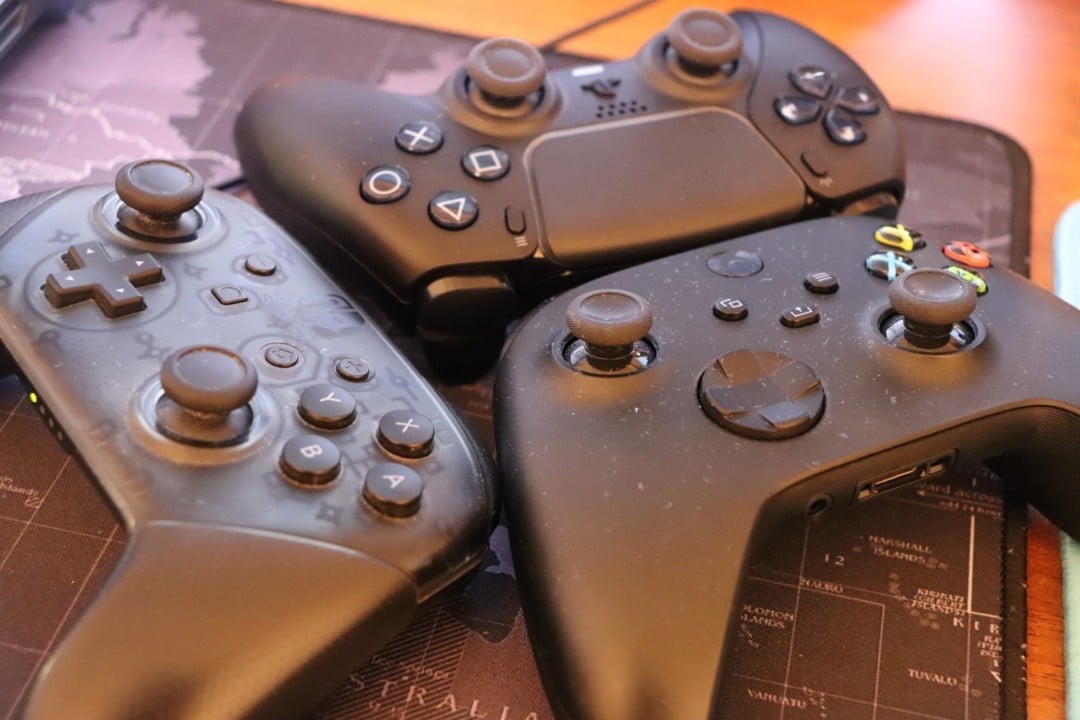
Além connection, peripheral flexibility is a central point in the new phase of the service. Embora the company offers the Luna Controller, which connects directly to the Wi-Fi to reduce precious milliseconds of latency, the platform maintains an open architecture. Jogadores can use controls they already have, including models of Xbox, PlayStation and generic devices via Bluetooth, in addition to the possibility of using a keyboard and mouse on computers, ensuring that the hardware is not an impediment to accessing the service.
Catalog and dynamic library integration
The content model adopted by Amazon relies on monthly rotation to maintain subscriber engagement, offering a curated selection that covers different player profiles. The strategy aims to cover everything from the casual public, who seeks quick entertainment, to enthusiasts of complex franchises. The current selection highlights the diversity of the catalog, covering everything from strategy titles to dense RPGs.
Entre recent additions that exemplify the caliber of the service are games likeCivilization VI, which offers strategic depth, andFallout 4: Game of the Year Edition, an acclaimed open-world RPG. Para sports fans, the inclusion ofEA SPORTS Madden NFL 26demonstrates the commitment to making current releases available in the cloud, allowing players to experience sports seasons in real time without the need for dedicated consoles.
The platform also integrates social and family experiences, with games likeJackbox Party Pack 3 e LEGO Pirates of the Caribbean, aimed at group fun. Além of the free rotating catalogue, the service has implemented functionality that allows users to purchase PC games through partner stores such as GOG and stream them via Luna. Isso creates a hybrid bridge between the subscription model and digital ownership, allowing the user to build a permanent library playable anywhere.
Device expansion and market impact
Omnipresence is the final pillar of Amazon’s strategy for Luna. The service has been optimized to run on a wide range of devices, breaking down traditional operating system compatibility barriers. Usuários on PC and Mac can access the service directly through browsers such as Google Chrome and Microsoft Edge, without the need for heavy installations.
In the mobile segment, compatibility covers both the Android and iOS ecosystem (iPhone and iPad), transforming tablets and cell phones into powerful portable consoles. Integration with the living room is ensured by the Fire TV devices and a growing range of Smart TVs that now have the native application, eliminating the need for any device connected to the television.
By removing additional costs for Prime subscribers and expanding device support, the Amazon positions itself to compete directly with services like the Xbox Cloud Gaming from Microsoft and the GeForce Now from NVIDIA. The company’s bet is that convenience, added to the huge existing Prime user base, will create a network effect that will definitively popularize game streaming as a primary form of interactive entertainment consumption in the coming years.
