

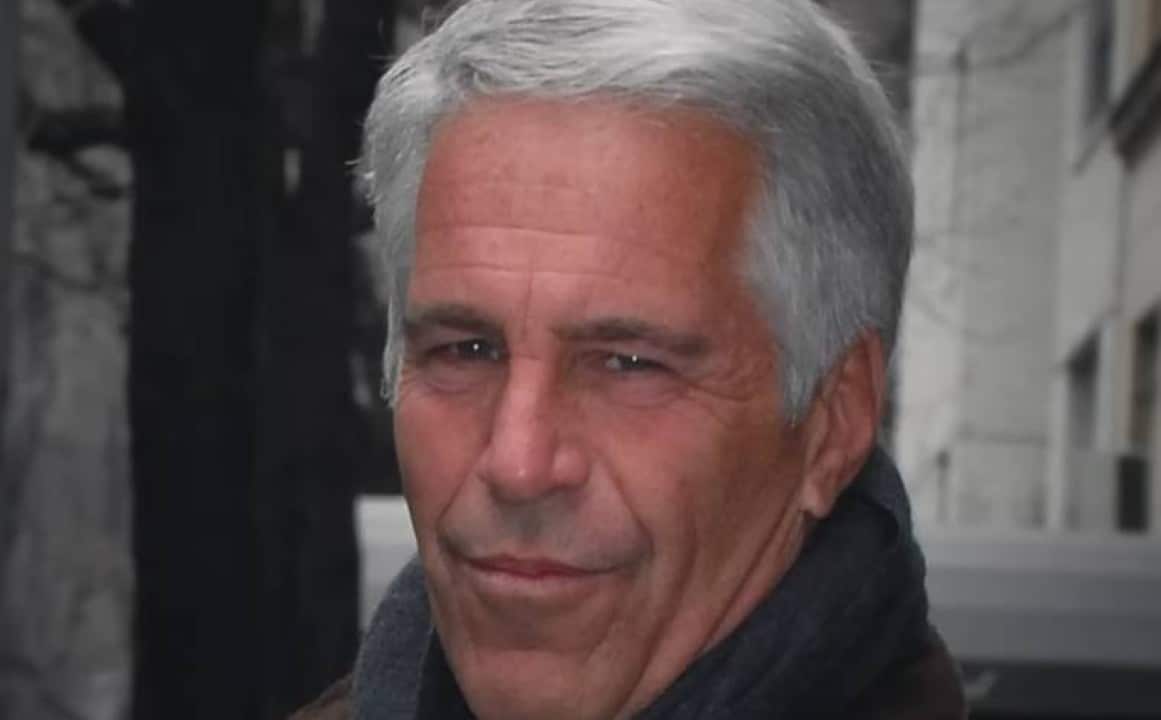
Users of the social network X used artificial intelligence tools to try to reverse the hiding of faces in sensitive documents linked to the Jeffrey Epstein case. A technical analysis identified that, shortly after the release of millions of pages of files by Departamento of Justiça of Estados Unidos in January 2026, several profiles used the chatbot The requests, concentrated between the end of January and the beginning of February, resulted in the creation of manipulated images that attempted to reconstruct the hidden faces, raising immediate concerns about privacy and ethics in the use of generative AI.
The technology’s response varied during the monitored period, with the system meeting most of the initial requests before undergoing security interventions. In 27 of 31 cases analyzed, the software processed the images and delivered versions without stripes, often creating artificial faces that did not necessarily correspond to real people.

After identifying the misuse of the tool to expose potential victims, the platform administration implemented technical barriers. Tentativas subsequent attempts to perform the same type of editing began to be refused by the system, which now issues warnings about ethical and legal limitations.
Dynamics of AI requests and response
User behavior on the platform involved the use of direct commands, such as “unblur” or “remove black box”, applied to photographs showing Jeffrey Epstein accompanied by public figures and unidentified women. The investigation found that more than 20 different photographs and a video were submitted to this process repeatedly by different accounts, seeking to expose what was under judicial secrecy.
On the same topic: Google Photos system blocks searches for marijuana in users’ private galleries
During the first week of February, the Grok system demonstrated the ability to meet these demands, generating mixed results. Enquanto some images had realistic features, others showed clear distortions or faces invented by artificial intelligence, known technically as hallucinations. The material generated not only circulated on the network, but was also driven by the platform’s monetization system, which rewards engagement.
The situation changed drastically from February 6th. Testes carried out after this date showed that the chatbot stopped processing essay removal requests. In new attempts, the artificial intelligence began to deny the execution of the task or to generate images that were completely disconnected from the original material sent, indicating an update to the xAI security filters.
Context of the release of court files
The massive availability of documents occurred in compliance with Epstein Files Transparency Act, legislation approved in 2025 that determined total transparency regarding materials accumulated during federal investigations. The batch released on January 30, 2026 contained more than 3.5 million pages, including statements, police reports and photographic records seized from the financier’s properties.
Learn more: Learn how to hide the Meta AI virtual assistant from your WhatsApp app
The disclosure process faced severe logistical problems. Falhas in the initial manual redactions exposed personal data of nearly 100 survivors, which forced authorities to temporarily remove thousands of files from the official website for emergency corrections. Advogados representing the victims issued statements of repudiation, criticizing the lack of care in protecting individuals who have already suffered significant trauma.
The images that became the target of AI edits depict moments of social interaction by Epstein. The settings include the interiors of private jets, luxury residences and leisure areas, where the convict appears alongside members of royalty, former heads of state and businesspeople from the technology sector.
Risks of manufacturing identities
Digital security experts warn of the danger of confusing reality and digital fabrication. When trying to fill in the areas hidden by the stripes, artificial intelligence does not “reveal” the original photo, but rather predicts and draws a face based on statistical patterns. Isso means that the resulting images can assign false identities to anonymous people or create faces that never existed in that context.
The dissemination of this fabricated content worsens the situation of real victims. Mesmo Although the image generated is not accurate, the circulation of altered versions of official documents contributes to misinformation and can lead to the harassment of innocent people or the revictimization of those who sought to maintain the anonymity guaranteed by justice.
More on this story: Gen Z boosts sales of old iPods to escape digital tracking
Digital rights organizations reinforce that tools accessible to the general public require robust safeguards before launch. The episode demonstrates how the speed of implementing AI capabilities often outpaces creating adequate security protocols for handling sensitive materials.
Adjustments to usage policies
xAI, developer of Grok, had already established restrictions for image generation, limiting the resource to premium plan subscribers. However, initial barriers focused primarily on preventing the creation of explicit or pornographic content and did not specifically cover the removal of redactions in court documents.
With the update of the filters, the system began to adopt an active refusal stance. In recent interactions, when asked to edit photos of the Epstein case, the chatbot justified the refusal by citing the ethical and legal protection of minors and victims, recommending that users only seek information from official government channels.
The measure aligns the tool with more rigorous content moderation practices, although material generated in the days before the ban continues to circulate on social networks and discussion forums, highlighting the difficulty of containing the spread of data after its initial creation.
Keywords and search
artificial intelligence, jeffrey epstein, data privacy, social network x
using grok to edit photos
Learn more: Learn how to disable WhatsApp’s artificial intelligence and protect your data
Links researched:
https://www.cnnbrasil.com.br/
https://g1.globo.com/
https://www.uol.com.br/