

The period of Ramadã, considered the most sacred for followers of Islam, began this Tuesday, February 17, 2026, imposing significant transformations in the dynamics of professional football in Arábia Saudita. Durante the next 30 days, Muslim and foreign athletes need to adjust sleep cycles, eating and physical activity schedules to reconcile faith with the demands of high-performance sport. The routine in the Arab country is almost entirely shifted to the nighttime, as the ritualistic fasting takes place between sunrise and sunset.
Brazilian defender Andrei Girotto, who plays for Al-Taawoun and has lived in the region for three years, detailed how the club structure is reorganized to respect religious precepts. Diferente than what happens in European leagues, where schedules remain rigid, in Arábia Saudita training is moved to the end of the night, generally between 9pm and midnight local time. Essa change aims to ensure that players who are fasting can hydrate and eat properly before starting intense physical efforts on the field.
Several big names in world football who play in Saudi Pro League strictly follow the practices of the holy month. Entre the main athletes who adhere to fasting and intensified prayers are:
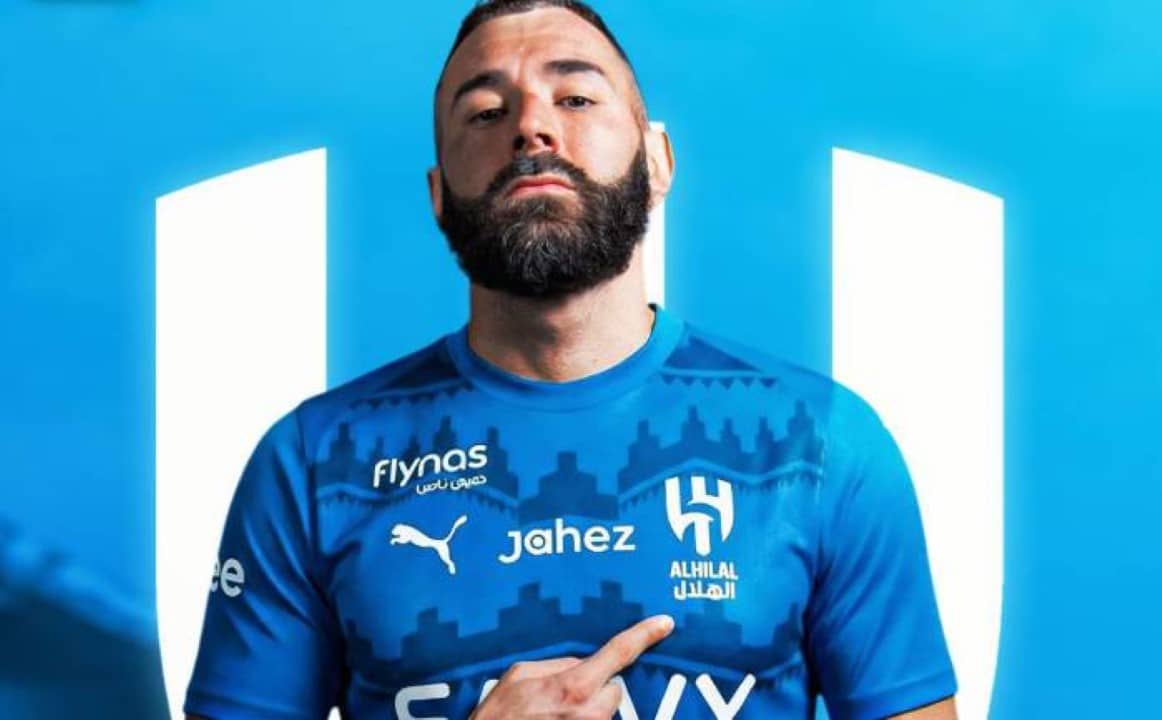
- Karim Benzema (Al-Hilal)
- Healthy Mané (Al-Nassr)
- Riyadh Mahrez (Al-Ahli)
- N’Golo Kanté (Al-Ittihad)
- Mohamed Salah (Liverpool – Inglaterra)
- Antonio Rüdiger (Real Madrid – Espanha)
Adapting schedules and night routine
Training carried out during the early hours of the morning completely alters the biological clock of the professionals involved in the national championship. Andrei Girotto explained that Muslim players usually only sleep after sunrise, around 6am or 7am, remaining at rest for most of the day. Essa inversion is essential for them to be able to maintain the energy necessary for official competitions, which are also scheduled for later times.
For Brazilians and other foreigners who do not profess the Islamic faith, adaptation is necessary mainly in social and professional life. Embora are not forced to fast, they respect local regulations and avoid eating or drinking in public or in front of colleagues who are abstinent. Nas concentrations, many hotels provide reserved rooms so that non-Muslims can dine discreetly, preserving an environment of mutual respect.
Logistical and food challenges at clubs
Food logistics within sports venues and hotels undergo structural modifications to serve all groups. Instead of traditional collective meals, clubs usually serve dishes in players’ rooms or organize festive dinners after sunset, known as Iftar. On Nessas occasions, it is common for high-calorie and traditional dishes, such as lamb, to be served in abundance to replenish the athletes’ energy.
Physical fitness is also monitored more strictly by medical departments during this specific month of the lunar calendar. Especialistas in sports nutrition guide players on the best way to break the fast, prioritizing immediate hydration and quickly absorbed foods. The use of specific supplements and protein shakes is essential to avoid the loss of muscle mass and ensure that performance on the field does not suffer sudden drops.
Differences between Arab and European football
Andrei Girotto’s experience in French football allowed us to draw a direct comparison of how Ramadã is treated in different sporting cultures. Na Europa, the morning or afternoon training routine does not change, which creates a Herculean physical challenge for Muslims who need to train and play without drinking water. In some cases, insistence on fasting can generate conflicts with technical committees that prioritize traditional physiology.
At Arábia Saudita, the integration between religious culture and sports practice is total, eliminating this type of institutional friction. Technical breaks during matches so that players can drink water at the exact moment of sunset are institutionalized and natural. Esse supportive environment allows stars like Karim Benzema to maintain high-level stats even during the period of severe dietary restriction during the day.
Examples of overcoming and high performance
French striker Karim Benzema is often cited as an example that spirituality can boost sporting performance. In previous seasons, even under strict conditions, the player recorded memorable performances with hat-tricks and decisive goals in elite international competitions. Para many athletes, Ramadã works as a period of mental strengthening and focus, reflecting positively on tactical discipline within the four lines.
Other renowned players, such as Mohamed Salah in English football, also demonstrate resilience by maintaining a high-impact routine at Premier League. The English league has even adopted specific protocols to allow breakfast to take place during night matches, demonstrating an evolution in the cultural sensitivity of the sport. Essa trend of global adaptation reinforces the importance of understanding the individual needs of players in an increasingly globalized and diverse market.
Social customs and group celebrations
In addition to the physical and sporting aspect, Ramadã is marked by a strong sense of community and celebration among the Saudi casts. Andrei Girotto mentioned that, after the daily abstinence period, players usually get together for dinners that symbolize the prosperity and unity of the group. Esses moments are fundamental to the team’s cohesion, allowing foreigners to learn more deeply about the traditions and values of their local teammates.
Generosity and charity are also highlighted, with many players participating in social actions and donations to needy communities. Respect for other people’s beliefs is a two-way street, although there is a distance on festive dates of other religions, such as Natal. In the daily life of Arábia Saudita, the balance between professional demands and religious devotion is maintained through meticulous organization that guarantees the continuity of the sporting spectacle.