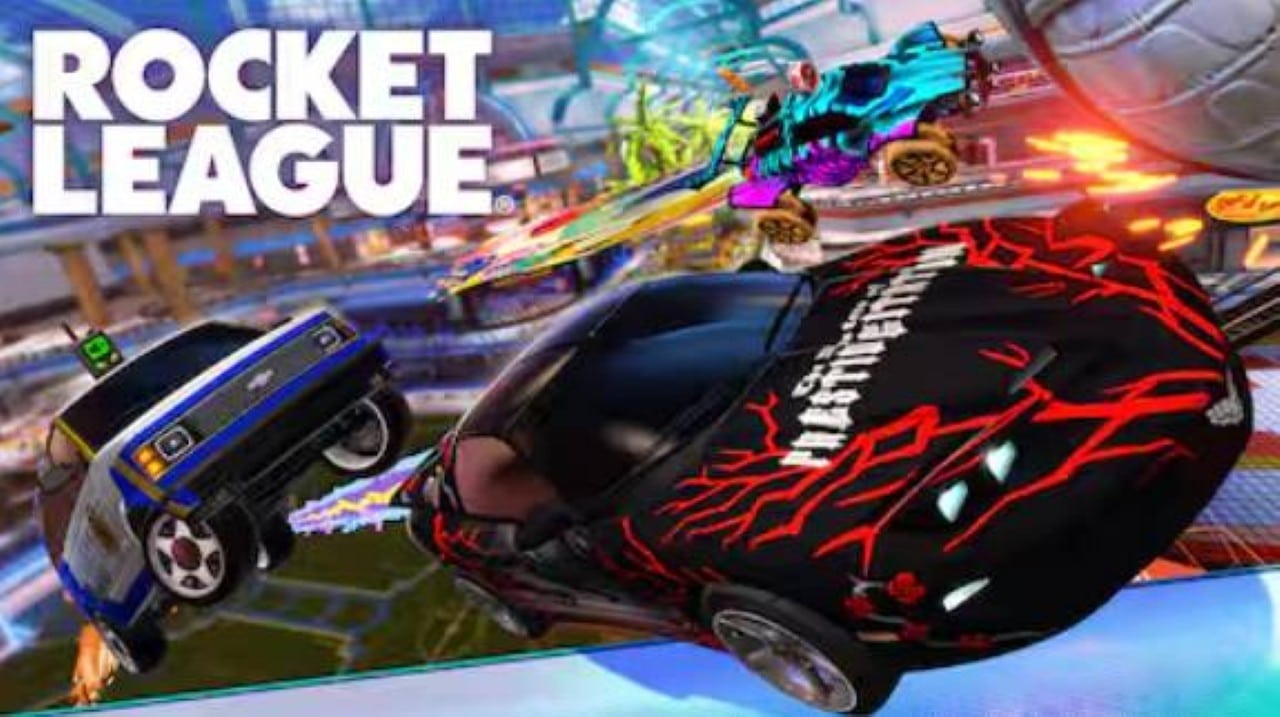
Developer Psyonix has implemented a significant overhaul of the technical infrastructure of its flagship sports title, aiming to optimize performance on Nintendo’s hardware. With the official release of version 2.64, the studio introduced a data package focused on extracting the maximum processing capacity from the console, establishing new standards of fluidity for the player base. The update prioritizes visual stability and mechanical response during competitive matches.
This strategic move eliminates the need for complex manual configurations by users, automating the delivery of the best possible resolution. The engineering team focused efforts on ensuring that legacy code was replaced with more efficient protocols, resulting in a gaming experience that maintains graphical fidelity without compromising speed. The measure meets a long-standing demand from the competitive community, which requested performance parity in relation to other platforms.

The central focus of the changes lies in frame rate consistency, a crucial element for high-precision titles like Psyonix’s vehicular football. The new rendering architecture ensures that the game operates in a fixed manner, avoiding oscillations that could impair the reading of plays during moments of intense action in the arena.
Unifying performance and graphical fidelity
One of the main changes brought about by the patch is the removal of the options that divided the experience between “Quality” and “Performance” modes. The software now operates in a unique, optimized configuration designed to run natively at 1080p when the console is connected to the television. The goal is to keep the frame rate locked at 60 FPS (frames per second), providing smooth and responsive browsing.
This stability is fundamental to competitive integrity, as variations in the update rate can affect the perception of time and the execution of precise aerial maneuvers. By standardizing the video output, the developer ensures that all participants have access to the same technical conditions, minimizing disadvantages caused by drops in hardware performance during explosions or crowds of vehicles.
To sustain this performance without degrading the image, the technical team adopted a dynamic resolution solution. In scenarios where graphics processing is excessively required, the software automatically adjusts the pixel count imperceptibly to maintain fluidity, ensuring that the action is never interrupted by crashes or slowdowns.
Visualization system improvements
In addition to raw stability, the update introduces substantial improvements to image post-processing. The implementation of a new filtering and anti-aliasing method resulted in a drastic reduction in jaggies, providing cleaner and more defined contours for both vehicles and scene elements.
The lighting and shading system also received adjustments to avoid flickering in the environment, a problem that could previously distract competitors. Visual clarity has been improved through better contrast between objects and the background, making it easier to immediately identify the ball and opponents anywhere on the field.
- Depth of field rendering has been optimized, eliminating unnecessary blur that disrupted players’ peripheral vision.
- The sharpness of interface elements such as nameplates and boost markers has been increased for quick reading.
- Particle effects and neon lights in stadiums now have greater solidity, contributing to a more polished aesthetic.
These visual refinements bring the Nintendo console experience closer to what is seen on high-performance computers. By making the game more readable, Psyonix allows digital athletes to react with greater precision to ball disputes, raising the technical level of matches on the platform.
Interface and garage restructuring
The user experience outside of matches has also undergone a functional overhaul. The game mode selection menu and garage interface have received updates to make navigation more intuitive. The developer recognized that the accumulation of cosmetic items over the years required a more robust management system.
The slot limit for car presets in the garage has been expanded to 75, allowing collectors to store a much wider variety of skin and accessory combinations. Essa change aims to cater to players who invest time in customizing their vehicles and want to quickly switch between different visual styles.
To facilitate access to matches, the new design of the “Play” menu uses simplified options that speed up entry into queues. Jogadores veterans will notice that the flow for finding online matches or starting training has been reduced, eliminating unnecessary steps and putting the focus on immediate action.
Impact on the competitive landscape
The update strengthens the cross-play ecosystem, where users from different consoles face each other. Historicamente, players on less powerful hardware could suffer technical disadvantages, but recent optimizations aim to level the playing field. With the guarantee of a stable 60 FPS, input latency is reduced, allowing for more agile commands.
The community welcomed the changes as a sign of Psyonix’s commitment to the game’s longevity across all platforms. Maintaining a high technical standard is essential for the title to remain relevant in the esports scene, where millimetric precision defines victory or defeat.
By aligning technical performance with modern expectations, the update ensures that the Nintendo hardware remains a viable platform for high-level competitive play, fully integrating its users into the global player base without performance restrictions.
