

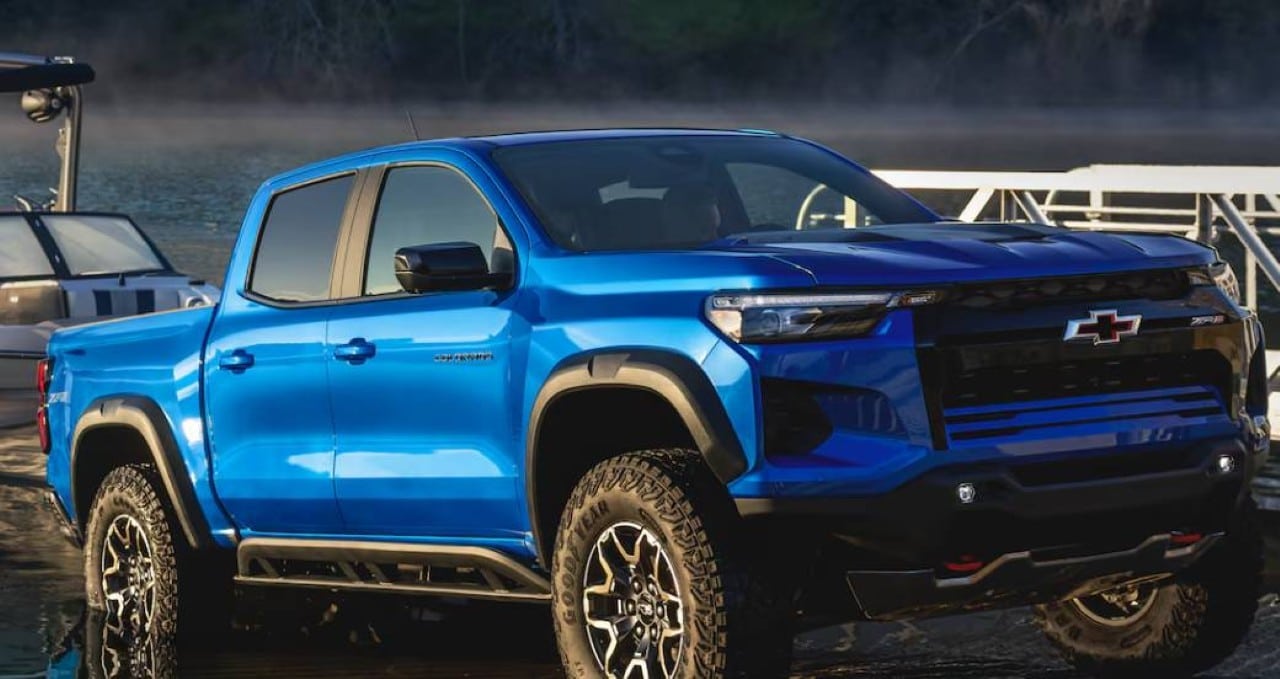
General Motors has begun rolling out a crucial software fix for new pickup truck owners who are experiencing difficulties integrating with cellular projection systems. The technical problem, which affects communication between the vehicle and Apple devices, prevents the physical buttons located on the steering wheel from functioning, compromising ergonomics and safety while driving. The automaker chose to release the solution via the internet, speeding up the process and eliminating the need for appointments at dealerships in most cases.
Reports from drivers indicated that, when connecting the iPhone to use Apple CarPlay, the audio controls on the steering wheel stopped responding immediately. Funções basic and essential functions, such as volume adjustment and changing music tracks, became inoperative, forcing the driver to interact directly with the touch screen on the central panel. The failure was identified as a conflict of digital protocols, unrelated to physical defects in the vehicle’s components.

The situation generated concern not only because of the technological inconvenience, but because of the potential risk of distraction while driving. The loss of physical shortcuts disrupts the fluidity of the human-machine interface, forcing the driver to look away from the road to perform simple tasks that should be performed in a tactile and intuitive way. The update aims to restore the integrity of the infotainment system and ensure that the onboard technology assists, rather than hinders, the driving experience.
Technical details of the failure and models involved
The investigation conducted by the brand’s engineers pointed out that the error resides in a complex communication failure between the vehicle’s native electronic architecture and the Apple’s projection protocols. According to technical bulletin number 25-NA-366, the issue specifically occurs when data processing enters a conflict state, causing the car’s operating system to ignore input signals sent by the steering wheel buttons while CarPlay is active.
Vehicles affected by this software anomaly comprise units manufactured between the years 2023 and 2025. The defect specifically focuses on the following models, which share the same infotainment system base:
– Chevrolet Colorado
– GMC Canyon
The company reiterated that the button hardware remains functional and intact. Testes demonstrated that, outside the CarPlay environment or after restarting the systems, the controls operate again, confirming that the issue is strictly logical and not mechanical. The increasing complexity of codes in modern vehicles makes this type of interaction between proprietary systems and third-party platforms a constant challenge for automotive engineering.
Impacts on security and daily usability
Locking steering wheel controls affects more than just in-flight entertainment. Além prevents music and volume management, the fault interferes with the activation of voice assistants, such as the Siri, through shortcuts on the steering wheel. Essa interruption forces the driver to adopt less safe behaviors to carry out commands that, in normal situations, would not require taking their hands off the steering wheel.
Road safety experts warn that excessive reliance on touch screens can increase driver response time to external events. The ergonomics of the physical buttons are designed precisely to allow control of secondary functions without the need for visual verification. Quando this functionality fails, the passive safety design of the cockpit is compromised, increasing the chances of distraction at critical moments in traffic.
The incident highlights the importance of continually checking compatibility between updates to mobile operating systems and the software embedded in automobiles. With the rapid evolution of smartphones, automakers face the challenge of keeping their legacy systems compatible with new versions of applications and communication protocols, requiring agility in the development of corrections.
Update procedures and temporary measures
To solve the problem definitively, General Motors is using Over-the-Air (OTA) technology. Esse method allows the vehicle to download and install the patch package automatically using the built-in data connection or an Wi-Fi network, similar to updating a smartphone. Assim Once the software is available for the specific chassis, the system will notify the owner, restoring full functionality without mechanical intervention.
While the update does not affect the entire affected fleet, there is a palliative procedure recommended by experts to reestablish control if the failure occurs during a trip. The workaround involves force-closing the stuck communication session and restarting the connection protocols. The suggested steps to temporarily work around the bug are:
– Desconectar physically the smartphone’s USB cable, if it is in use.
– Desativar the iPhone’s Bluetooth and Wi-Fi connections for a few seconds.
– Aguardar the vehicle system recognizes the disconnection.
– Reconectar the device to start a new clean session.
This maneuver forces the system to reload the control drivers, returning the response to the steering wheel buttons until the software conflict occurs again or the definitive update is installed. The automaker recommends that owners keep the automatic updates option enabled in the vehicle’s settings to ensure they receive the patch as soon as it is released for their region.