
A recent technical experiment carried out by enthusiast Synth Potato revealed the possibility of drastically reducing the space occupied by Grand Theft Auto V on storage disks. The project managed to compress the original game files, which normally require around 120 GB, to a working version of just 2.5 GB. The initiative appears as a demonstration of the limitations imposed by the current shortage of components in the global technology market.
The extreme modification was motivated by the economic scenario of 2026, marked by a significant increase in the costs of solid state drives (SSDs). With growing demand for NAND memory chips to power artificial intelligence data centers, the price per gigabyte for consumers has skyrocketed, making disk space management a challenge for PC gamers.
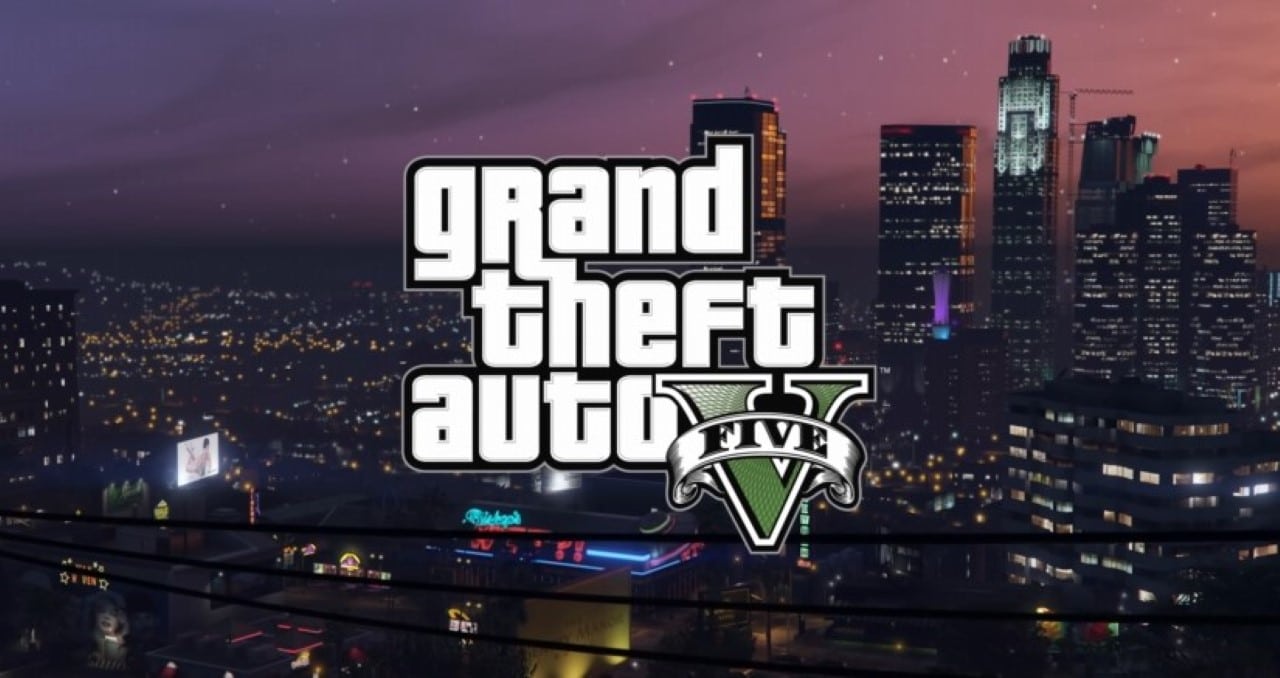
To achieve this compression rate of almost 98%, it was necessary to eliminate practically all the elements that make up the visual and sound atmosphere of the Rockstar Games title. The result is a version of the game that maintains only the essential RAGE engine code and basic physics mechanics, sacrificing the artistic integrity of the work in favor of saving storage.
Modification details and visual losses
The reduction process involved the complete removal of the high definition textures that cover the map of Los Santos, transforming the city into an environment of simple geometric shapes and flat colors. Prédios, vehicles and vegetation have lost their characteristic detail, appearing as gray blocks or poorly rendered polygons reminiscent of early-stage development prototypes.
In addition to the graphical degradation, the audio library was entirely removed from the installation directory to save space. The gaming experience takes place in absolute silence, with no soundtrack, campaign dialogue, collision effects or the ambient sound of the streets, which profoundly alters the perception of immersion originally proposed by the developers.
Compromised performance and instability
Practical tests demonstrated that the lightness of the final file does not translate into better performance when running the software. The frame rate per second frequently fluctuates between 7 and 10 FPS, making gameplay truncated and unresponsive.
This instability occurs because the game’s graphics engine continues trying to access files and libraries that have been deleted, generating constant cycles of processing errors. The absence of essential data forces the CPU to work harder to overcome logical flaws, resulting in visual glitches and erratic artificial intelligence behavior.
The vehicle driving physics remain operational, allowing movement across the desolate map, but complex interactions such as firefights or missions became unfeasible due to the lack of necessary scripts and assets.
Storage and market crisis
The experiment serves as a visual commentary on the hardware crisis affecting the gaming industry, where high-performance NVMe SSD models have seen price increases of over 250% since the previous year. Fabricantes leaders in the semiconductor industry, such as Samsung and SK
Perspectives for game development
Faced with local hardware limitations, the industry is beginning to discuss alternatives for the future of major open-world releases. Patentes recently recorded by Sony suggest the development of technologies that allow streaming of textures and assets on demand, reducing the need for massive installations on the user’s console or PC.
While definitive solutions do not reach the mass market, the modding community continues to explore the limits of current engines. Synth Potato’s design, while impractical for mainstream entertainment, highlights the critical dependence that modern games have on large volumes of data and the need for optimizations that consider players’ economic realities.
