

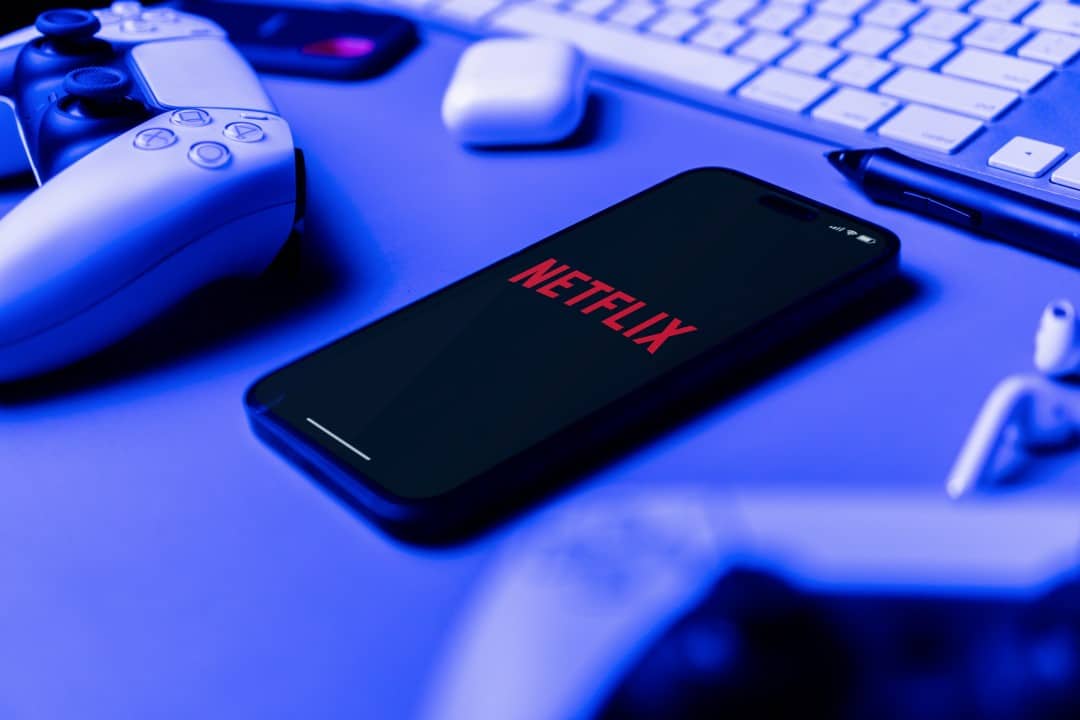
The streaming giant officially announced that the life cycle of its service on one of Sony’s most iconic consoles has come to a definitive end. As of March 2, the hardware originally launched in 2006 will no longer be compatible with the video platform, forcing remaining users to look for new ways of accessing content. The decision ends a trajectory of almost 17 years of continuous operation on the device, marking the end of an era for digital home entertainment.
Consumers who still use the equipment to watch films and series have already started receiving notifications about the service interruption directly in the application interface. The measure is part of a natural process of technological updating, where devices with older architecture lose the ability to run modern software that requires greater processing power and updated security protocols.
Although the console still has a loyal fan base and collectors, maintaining the application has become unfeasible given the new demands of the streaming market. The company reinforces that the action is necessary to focus resources on developing features for devices that support current data transmission and image quality technologies.
Technical reasons for termination
The main reason for the discontinuation of support lies in the inevitable obsolescence of the PlayStation 3 hardware, which completes two decades of existence in 2026. The console faces severe limitations in RAM memory and processing capacity when compared to current devices, which prevents the efficient execution of new versions of the Netflix application. Modern Recursos features such as automatic trailer playback, interactive profiles, and high-efficiency video encoding require performance that the Cell processor architecture can no longer deliver satisfactorily.
Maintaining an engineering team dedicated to fixing bugs and ensuring security on a legacy platform represents an operational cost that is not strategically justified. The technology industry prioritizes the allocation of investments in current operating systems, ensuring that the majority of subscribers receive the best possible experience, free from crashes or digital vulnerabilities that old equipment could present.
In addition to hardware issues, the evolution of video and audio codecs also plays a crucial role in this decision. Streaming content in 4K, HDR, and immersive sound formats like Dolby Atmos has become the industry standard, and the older Sony console lacks the physical components needed to decode these signals, limiting the quality of the user experience.
The legacy of the console as a multimedia center
It’s impossible to ignore the pivotal role this device played in transforming the living room into a connected entertainment center. Quando arrived on the market, it brought the uniqueness of the integrated Blu-ray reader and the promise of being more than just a gaming machine. The partnership with Netflix, started in 2009, was a milestone in this strategy, although it initially depended on a physical disc sent by mail to work, something unthinkable nowadays.
With the launch of the dedicated application on the PlayStation Ele proved that video games could serve as the primary gateway to digital media consumption, a philosophy that was expanded and refined in subsequent generations such as the PlayStation 4 and PlayStation 5.
Impact on user accounts and data
A common concern among affected subscribers concerns the security and integrity of their personal data. It is important to clarify that the termination of support on the console does not in any way affect Netflix’s subscription or account history. Todas information, including favorites lists (“My Lista”), viewing history, children’s profiles and configuration preferences, remains saved on the company’s servers in the cloud.
Users will be able to access their accounts normally on any other compatible device once they log in with their usual credentials. The restriction is purely based on access hardware, with no cancellation of plans or loss of registered information due to this technological change.
Alternatives and migration options
For consumers who still depended on the old console to access the service, the current market offers a wide range of alternatives, many of which are affordable and have simplified installation. The transition to a new device guarantees not only continuity of access, but also a significant leap in image quality and interface navigation speed.
Among the most recommended options to replace the use of the old console are:
– Dispositivos dedicated streaming devices, such as Amazon Fire TV Stick, Google Chromecast, Roku Express and Apple TV, which transform any television with HDMI input into a modern
– New generation Consoles, such as the PlayStation 5 or Xbox Series, which offer native applications with 4K support and instant loading;
– Smart TVs manufactured in recent years, which already come with the app pre-installed and dedicated buttons on the remote control;
– Computadores, tablets and smartphones, which allow screen mirroring to larger televisions.
Console manufacturer Sony also encourages migration to its latest platforms, where support for streaming apps remains a priority, with frequent updates that introduce new features and stability improvements.
An industry standard move
Netflix’s decision follows a consolidated trend in the technology sector, where product support ends after a long period on the market. Outras large companies, such as Google with the YouTube application, had already taken similar measures in relation to seventh generation consoles, such as the PS3 itself and the Xbox 360, focusing their efforts on hardware that supports the latest web innovations.
This renewal cycle is essential to boost technological development, allowing software to become more complex and efficient without being tied to the limitations of architectures from decades past. Para the consumer, although change requires adaptation, the end result is access to more robust, secure and visually impressive services.