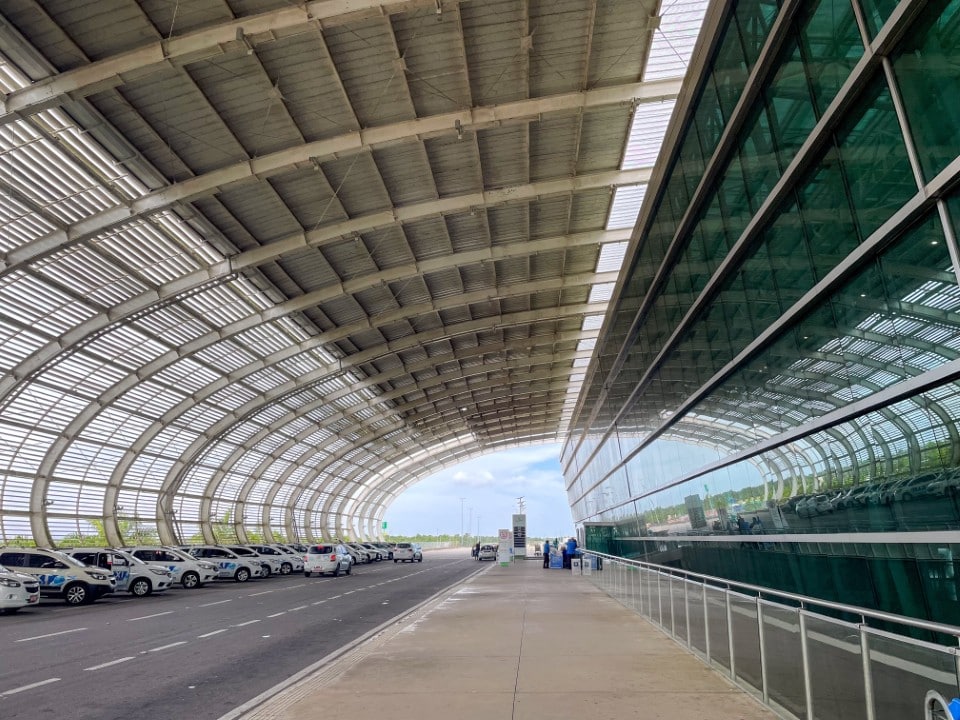
Four flights connecting Natal, in Rio Grande of Norte, and Buenos Aires, capital of Argentina, were suspended this Thursday due to a general strike in the neighboring country. The strike was called by trade unions in protest against the proposed labor reform, directly impacting international air transport.
The cancellations included two arrivals and two departures from Aeroporto of Natal, located in São Gonçalo of Amarante, bound for Aeroporto of The affected operations would be carried out by the airlines Gol and JetSmart, causing inconvenience for passengers who had scheduled trips.
The disruption of these routes highlights the vulnerability of air traffic to sociopolitical events in other nations. Ações such as this often require rapid adaptation by companies and airports to minimize impacts on the airline network and travelers’ plans.
Recommendations and support for travelers
Concessionaire Zurich Airport Brasil, responsible for the administration of Aeroporto of Natal, acted promptly in confirming the cancellations and issued a series of recommendations. The main one was for affected passengers to search the airlines’ official channels to obtain detailed information about rescheduling flights or refund options, even avoiding unnecessary trips to the terminal.
Gol, in turn, reported that it was actively communicating with impacted customers via email, offering alternatives such as rescheduling flights to other dates at no additional cost or the possibility of refunds in credits on the company’s website. The airline provided several service channels to ensure that passengers could resolve their situations.
To speed up the process and provide support, Gol advised customers to get in touch through their relationship channels. Efficient communication at these times is crucial to managing the crisis and mitigating stress for travelers affected by the sudden disruption of services.
- Relacionamento Gol exchange: 0300 115 2121
- Smiles or Prata: 0300 115 7001
- Gold or Diamante: 0300 115 7007
Reasons for the Argentine strike
The general strike that triggered the cancellation of flights was a direct response to the labor reform proposal presented by the government of President Javier Milei to the Argentine Congresso. The measure, seen as one of the most ambitious in decades, aimed to significantly change the country’s labor laws.
The discussion of the project at Câmara of the Deputados, which began on the Thursday of the strike, followed the approval of the text by the Senado the previous week. The government’s expectations were that the proposal would be voted on in the Câmara plenary and approved by the beginning of March, during the opening of the Legislativo ordinary session period.
Confederação Geral of Trabalho (CGT), the largest union center of Argentina, called a general strike to begin discussions, expressing strong opposition to the proposed changes. Além of the stoppage of services, a wave of protests and demonstrations was expected in several cities, reflecting the climate of social and political tension.
Details of the controversial labor reform
The Argentine labor reform, although subject to possible changes in The government’s declared objective was to reduce labor costs for companies, seeking to encourage the formalization of employment in a market where informality affected around 40% of workers. Para to ensure political support and speed up the processing, the government of Milei negotiated several changes to the original text, such as the removal of an article that would allow the payment of salaries through foreign currency or digital wallets, demonstrating the complexity of the negotiations and the resistance faced by the initiative.
Developments at airports and international routes
The flight cancellations in Aeroporto of Natal illustrate how internal conflicts within a nation can reverberate beyond its borders, affecting civil aviation and global connectivity. The route between Natal and Buenos Aires is significant for tourism and commercial exchange, making it a vital link that can be disrupted by events such as strikes.
For airports like Natal, which serve as entry and exit gateways to international destinations, managing crises arising from shutdowns in other countries is a constant challenge. Isso requires agile communication with airlines and passengers to avoid further losses and frustrations.
Airlines, in turn, need to maintain robust contingency plans to deal with force majeure situations, such as strikes. Isso includes the ability to quickly re-accommodate passengers, offer refunds or flight alternatives, minimizing the negative impact on your reputation and customer experience.
The interdependence of the global aviation system means that a strike in one country can have a ripple effect on several others, forcing airports and airlines into complex coordination to manage the fallout and maintain the safety and fluidity of international air traffic.
Current scenario of labor relations
The debate surrounding labor reform in Argentina reflects a trend observed in several developing economies, which seek to modernize their labor legislation. Tais initiatives often generate tensions between governments, the business sector and unions, each defending their interests and visions about the future of work.
Discussions about the flexibility of labor relations, the formalization of employment and the protection of workers’ rights continue to be central themes on the political and economic agenda. The Argentine experience serves as a case study on the challenges of implementing structural changes in a context of strong social and political polarization.
Preventive actions for travelers
Given the possibility of unforeseen events, such as strikes in other countries, it is essential that travelers adopt preventive measures. Recomenda-always check the flight status directly with the airline before heading to the airport and stay informed about the socio-political situation of the destination.
Taking out travel insurance that covers interruptions and cancellations can offer an extra layer of security. Além In addition, having flexibility in travel dates and understanding airline rescheduling and refund policies are essential practices to mitigate risks and ensure a smoother trip.
