

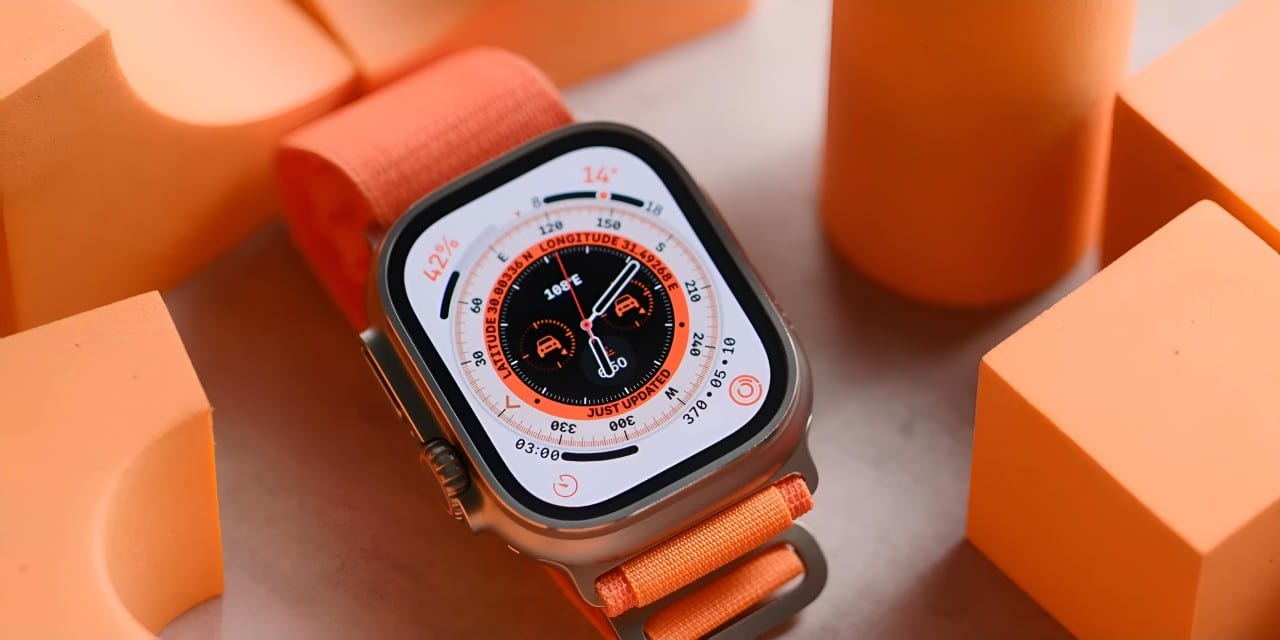
The dynamics of consumption within the Apple ecosystem is undergoing a significant transformation, driven by users’ search for alternatives that offer greater energy autonomy. Proprietários of iPhones, traditionally linked to the brand’s native models, have shown a growing interest in devices from other manufacturers that guarantee stable compatibility with the iOS system, but eliminate the need for daily recharges. Marcas consolidated as Huawei, Xiaomi and Amazfit lead this movement, introducing new models to the market that challenge the hegemony of the Apple Watch.
This change in behavior is supported by a technological advance that allows fluid integration between operating systems, ensuring that notifications, calls and health data are synchronized without delay, regardless of the watch brand. The barrier of technical exclusivity has been overcome, allowing consumers to focus on specifications that directly impact their routine, such as battery life and material resistance.

The devices that are capturing this market share range between R$279 and R$1,636, ranging from entry-level options to premium models. Essa diversification of prices and features democratizes access to cutting-edge technology, offering robust solutions for both those looking for basic monitoring and athletes who require advanced metrics.
The competitive advantage of these new gadgets lies in the ability to keep the device on your wrist for weeks, not just hours. Enquanto Most conventional smartwatches require a constant connection to the charger, new generations of wearables focus on extreme energy efficiency, allowing continuous monitoring of sleep and physical activities without interruptions forced by a lack of energy.
Market strategies and technical specifications
To facilitate the purchasing decision in a saturated market, manufacturers segmented their launches into clear categories, based on functionality and price. Essa organization allows the user to quickly identify which device meets their specific needs, whether it is lightweight for everyday use or robust for extreme environments.
Among the available options, models that prioritize ergonomics and data visualization stand out:
- Huawei Band 10: Foca in extreme lightness and fast charging.
- Xiaomi Smart Band 10: Destaca enjoy the intense brightness of the screen and multiple sports modes.
- Amazfit Bip 6: Traz smartphone independence with integrated GPS.
- Redmi Watch 5: Prioriza clear communication and large screens.
- Huawei Watch Fit 4: Especializado in detailed health monitoring.
- Huawei Watch GT 6: The top of the line with superior resistance and massive battery.
Efficiency and design in entry models
For users who want to enter the world of wearables without making large investments, the Huawei Band 10 presents itself as a balanced solution. Weighing just 15 grams, the model uses an aluminum alloy case that provides durability without sacrificing comfort. The device is ideal for continuous use, including during sleep or intense physical activity.
The 1.47-inch AMOLED screen offers enhanced tactile feedback, making it easier to navigate menus. The energy management system is one of its strong points, allowing a full charge to be carried out in just 45 minutes. In economical mode, the battery sustains the device’s operation for up to 14 days, eliminating frequent anxiety related to autonomy.
In the same segment, the Xiaomi Smart Band 10 hits the market with a starting price of R$286, competing aggressively through robust specifications. The visual highlight is the 1.72-inch AMOLED panel, which reaches a peak brightness of 1,500 nits, ensuring perfect readability even in direct sunlight in outdoor environments.
In addition to image quality, the Xiaomi device offers 5 ATM water resistance, supporting diving and swimming. The 233 mAh battery was designed to support up to three weeks of operation in moderate usage scenarios, positioning the model as a reference in energy longevity in the entry-level category.
Geolocation and communication on intermediate devices
The Amazfit Bip 6 raises the bar for intermediaries by introducing features that were previously restricted to premium models, such as support for offline maps and integrated GPS. Essa feature attracts runners and cyclists who prefer to exercise without needing to carry their smartphone, ensuring accurate recording of routes and distances.
This model’s 1.97-inch screen impresses with a brightness of 2,000 nits, higher than many direct competitors. The 340 mAh battery keeps the device active for two weeks, even with frequent activity tracking. The market price for this option starts at R$549, offering an attractive cost-benefit for those seeking technological independence.
The Redmi Watch 5 focuses on the visual and communicative experience, boasting a generous 2.07-inch display with a refresh rate of 60 Hz. Essa specification results in smoother animations and more pleasant navigation. Além of aesthetics, the watch is functional, allowing calls via Bluetooth with dual microphone noise cancellation.
The Redmi Watch 5’s 550 mAh battery is one of the largest in its class, providing up to 24 days of autonomy. With a price starting at R$679, it is positioned as a robust tool for those who need constant connectivity and a large screen for viewing notifications and data.
High performance and extreme durability
At the top of the list of recommendations for 2026, the Huawei, Watch Fit 4 and GT 6 models serve users who seek maximum precision and longevity. The Fit 4, starting at R$1,099, has a 1.82-inch screen and focuses on detailed health indicators, such as oxygenation and sleep monitoring, with a dust and water-resistant structure, suitable for water sports and outdoor adventures.
The Huawei Watch GT 6 redefines the concept of autonomy with an impressive 867 mAh battery. Este model supports up to 21 days of average use and is IP69 certified, resisting high pressure jets and extreme temperatures. The screen reaches 3,000 nits of brightness, ensuring visibility in any weather condition. With an investment starting at R$1,636, the value is justified by the robustness and energy independence it offers to iPhone users.