
Consumers interested in high computing performance found a significant opportunity in the hardware market this February. The most compact desktop computer from the Cupertino giant, equipped with the new generation of processors, presented a price reduction that positions it as one of the most viable alternatives for those who want to migrate operating systems or update old equipment. The movement in digital retail has put the device in the spotlight, attracting both professionals who need processing power and home users looking for longevity in their electronic equipment.
The current pricing strategy, observed on large e-commerce platforms, places the value of the equipment close to R$4,179 for cash payments. Este price level represents an important barrier breaking, considering that the official suggested value for the initial configurations is usually considerably higher, exceeding seven thousand reais at launch. The availability of interest-free installments in up to 12 installments has also been a decisive factor in the popularization of the model among students and small business owners.
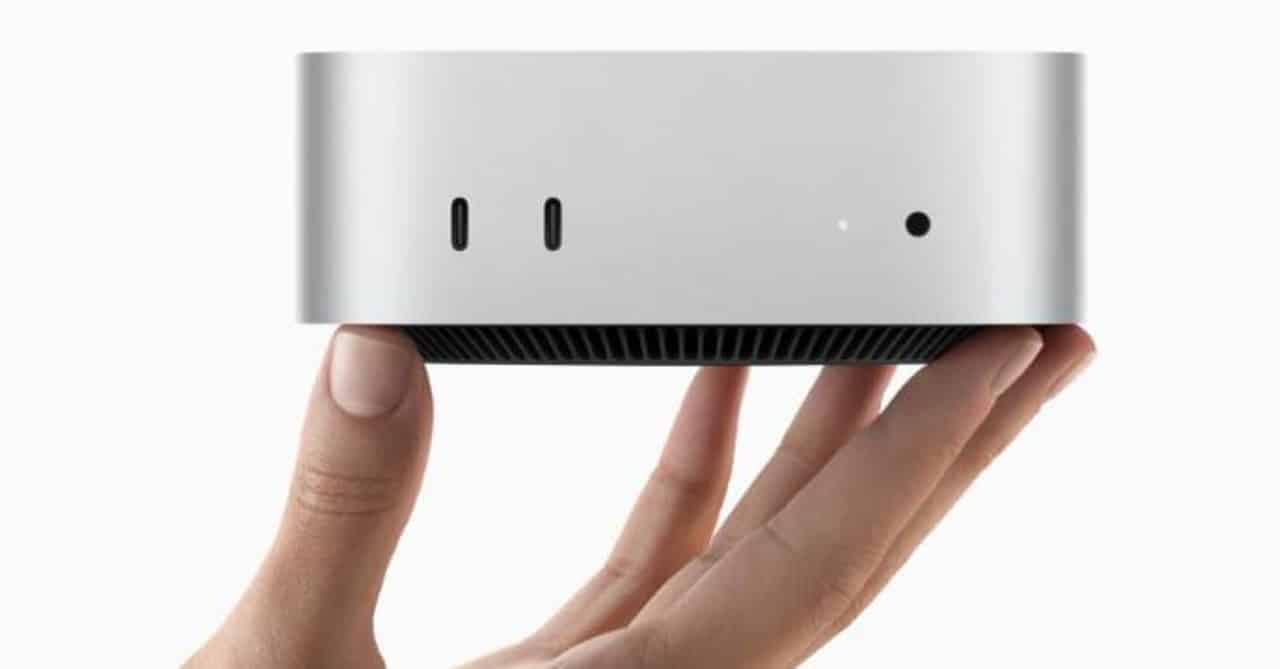
The focus of this new version is on the integration between hardware and artificial intelligence, a growing demand in the technology sector. With the new chip architecture, the device not only performs everyday tasks with agility, but is also prepared to support the advanced features of the Apple Intelligence. The inclusion of 16GB of unified memory as standard, ditching the legacy 8GB of previous entry-level models, demonstrates an industry recognition of the need for greater capacity for modern multitasking.
Evolution of processing and architecture
The heart of this system is the M4 chip, which features a robust configuration consisting of a 10-core CPU and a 10-core GPU. Esta engineering allows the computer to manage complex workflows without choking, surpassing past generations in energy efficiency and raw speed. Testes benchmarks indicate that the performance gain in multi-core tasks can reach 50% when compared to the M2 chip, which is directly reflected in video rendering and code compilation.
The presence of the 16-core Neural Engine is another relevant technical difference, specifically designed to accelerate machine learning processes. Professional editing Softwares, like the Final Cut Pro and Blender, use this component to apply effects and corrections in real time, freeing up the main processor for other activities. Essa division of tasks optimizes the use of the system and keeps the device’s temperature controlled even under stress.
For users who demand even more power, the existence of versions with the M4 Pro chip expands the possibilities of use in studios and development laboratories. With up to 14 central processing cores and 20 graphics cores, this variant is capable of handling hardware-accelerated ray tracing, an essential technology for 3D modeling and high-end gaming. The scalability of the line allows the same design to serve completely different market niches.
Thermal efficiency has been improved in this generation, allowing the compact chassis to maintain the range’s characteristic operational silence. The ventilation system has been redesigned to expel hot air more effectively, ensuring that the processor maintains high frequencies for prolonged periods without suffering from thermal throttling, which is the reduction of speed to prevent overheating.
Connectivity and peripheral integration
The arrangement of the connection ports has been rethought to favor usability on work tables with limited space. The inclusion of USB-C ports on the front of the device facilitates quick access to charge mobile devices or connect temporary storage drives, eliminating the need to fumble for the back of the computer. At the back, the presence of Thunderbolt 4 connections guarantees high data transfer rates for professionals who work with large volumes of files.
Support for multiple monitors is a strong point for productivity, allowing the creation of expansive setups with up to three simultaneous screens. The HDMI 2.1 port ensures compatibility with high-resolution displays and high refresh rates, essential for graphic designers and video editors who need color accuracy and image fluidity. Wireless connectivity also received updates, with support for the Wi-Fi 6E standard for more stable and faster networks.
Integration with the brand’s mobile ecosystem continues to be a competitive differentiator. Recursos continuity allows calls, messages and files to move between the computer, smartphone and tablet seamlessly. Screen mirroring and universal clipboard streamline corporate routines, transforming the set of devices into a unified and cohesive work tool.
Sustainability and environmental impact
The device’s construction reflects a growing industry commitment to reducing its carbon footprint. The use of recycled aluminum in the structure and the incorporation of 50% of reused materials in several internal components demonstrate an advance in manufacturing processes. Reducing the physical size of the device also impacts logistics, allowing more units to be transported per shipment and reducing emissions associated with global distribution.
In addition to the materials, the processor’s energy efficiency contributes to lower electricity consumption throughout the product’s useful life. Empresas that maintain large fleets of machines can see a significant reduction in operational energy costs. The durability of the equipment, combined with prolonged support for software updates, combats planned obsolescence and reduces the generation of electronic waste.
Versatility in professional and academic use
The usage profile of this desktop ranges from university students to managers of large corporations. In the academic environment, compatibility with engineering and data analysis software, such as MATLAB, makes the equipment a robust tool for research and development. The portability of the device allows it to be easily transported between different study or work locations, requiring only a monitor and peripherals at the destination. Já in the corporate sector, native operating system security and data encryption are valued by IT departments, which seek to minimize vulnerabilities in a scenario of constant digital threats. The processing capacity speeds up the handling of complex spreadsheets and multimedia presentations, optimizing team time.
