

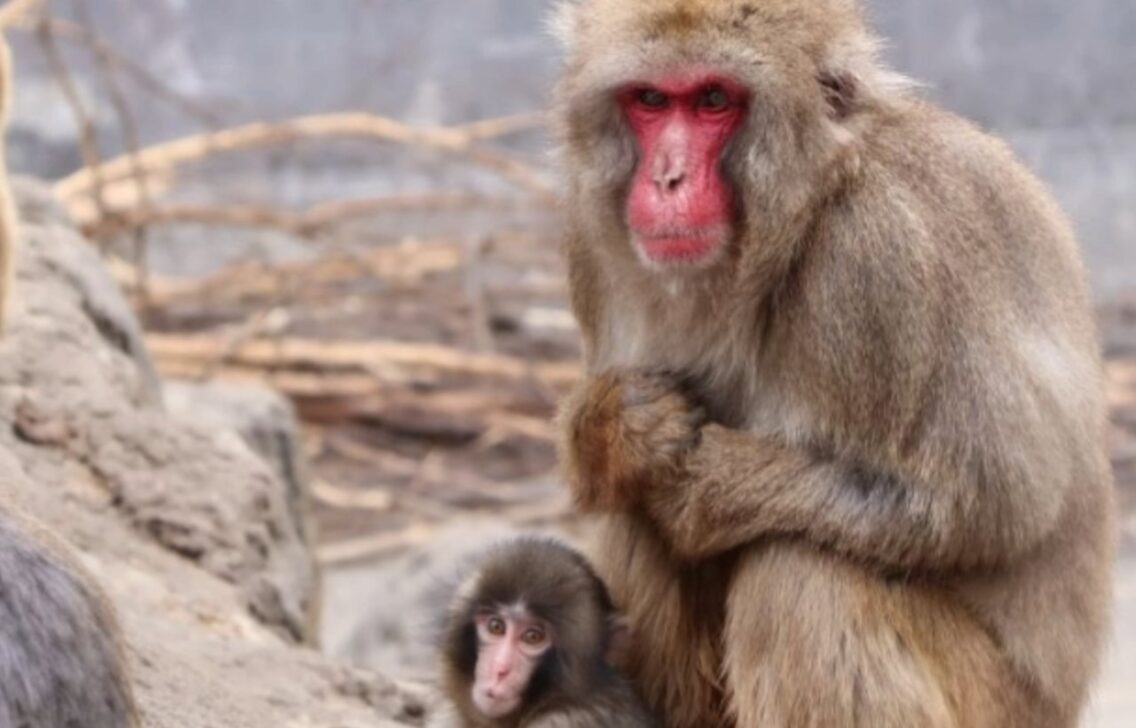
Zoológico and Jardim Botânico from Ichikawa, in Japão, went public to clarify a video that went viral on social media, showing a baby Japanese monkey, affectionately called The institution sought to demystify the perception of aggression, explaining that the observed behavior is part of the learning and social communication process essential for the animal’s survival in its group.
The recording, which captured the attention of thousands of users, generated a wave of concern and speculation about Punch’s well-being. However, zookeepers have assured that the adult monkeys’ actions towards Punch are educational, aiming to teach him the skills necessary to fully integrate into the complex social hierarchy of Montanha of Macacos. Este positioning aims to promote a deeper understanding of wildlife.
The zoo’s official statement, released on social media on the 20th of last year, reinforced that the interactions are reprimands and not serious attacks. The objective is to educate the public about the natural behavior of monkeys, combating anthropomorphic interpretations that can distort the reality of the animal kingdom. The case of Punch illustrates the complexity of group life and the challenges of a growing puppy.
The viralization of the video and public perception
The video in question, filmed on the morning of the 19th of last year, shows Punch approaching another cub in the group. Pouco later, an adult monkey grabs him and drags him. Then, Punch runs to a stuffed orangutan, which serves as his “surrogate mother”, and remains immobilized there.
This sequence of events led to a widespread interpretation that Punch was being bullied or attacked by the other members of his group. The scene, taken out of context, provoked a significant emotional reaction from the public, who expressed deep pity and concern for the little monkey. The rapid dissemination of the video illustrates the power of social networks in shaping perceptions, which are not always aligned with biological reality.
Despite the appearance of confrontation, the zoo explained that the action of dragging Punch was probably the mother of the cub he had approached. Essa reprimand would be a social mechanism to teach limits and appropriate behaviors within the group, a common practice among primates. Keepers emphasize that such interactions are crucial to a puppy’s development in a collective environment.
The meaning of “rebuke” in the animal kingdom
For monkeys, as well as many other primates, communication goes far beyond sounds and friendly gestures. Repreensões and rougher interactions are an integral part of social learning and maintaining order within the group. Essas actions help puppies understand their place in the hierarchy, the importance of respecting older individuals and mastering the complex rules of coexistence.
The zoo detailed that Punch is at a vital stage in his life, learning the “communication skills to survive as a monkey.” Isso includes understanding when to approach, how to interact, and when to retreat. Reprimands are actually valuable lessons that prepare him for an independent and successful adult life within the monkey community.
It is critical that the public understand that the social dynamics of wild animals differ significantly from human interactions. What may seem like bullying or aggression to us is often a natural process of education and discipline in the animal world, essential for the cohesion and survival of the group. Misinterpretation can lead to hasty and unfair conclusions about the management of animals in captivity or in their natural habitat.
Punch’s story and the zoo’s support
Punch was born in July last year and, shortly after birth, he was abandoned by his mother. Essa circumstance led to it being raised by hand by the keepers of Zoológico from Ichikawa, a delicate task that requires dedication and in-depth knowledge of the species. Manual husbandry, although essential for its survival, presents unique challenges for reintegrating an animal into its natural or social environment.
To alleviate Punch’s anxiety and provide him with a sense of security and comfort, the zoo provided items such as towels and stuffed animals. The image of Punch cuddled up to the stuffed orangutan quickly became a symbol of his journey and his need for affection and support. Este object is not just a toy, but a crucial tool for your emotional development.
The success of his rehabilitation and integration depends largely on the carefully controlled environment and ongoing support of keepers, who work to prepare him for the challenges of living in a group of monkeys. Zoo staff strive to help Punch develop the self-confidence and social skills needed to thrive.
The importance of #GoPunch! and the role of the community
The story of Punch mobilized a campaign of support on social media under the hashtag #GoPunch!. Essa initiative reflects the public’s affection and solidarity with the little monkey, but also highlights the importance of directing this energy in a constructive and informed way. The zoo has made efforts to educate followers about the reality of the situation.
Zoológico’s handlers of Ichikawa asked that people “support him in his efforts rather than simply feeling sorry for him.” Esta message aims to transform compassion into deeper understanding and active encouragement for the development of Punch. Virtual community support can be a powerful force for raising awareness about animal conservation and ethological behavior.
They point out that Punch demonstrates “mental strength, such as the ability to recover quickly even when reprimanded.” Esta resilience is a vital characteristic for his adaptation and an indication that he is, in fact, learning and growing through interactions. The zoo seeks for the public to recognize the cub’s ability to overcome.
The routine and development of Punch in the group
Despite interactions that caused alarm, the zoo constantly monitors Punch’s behavior. Relatos of the handlers indicate that their conduct during the distribution of food at noon and 3 pm, the day after the video was filmed, was considered “normal”. Isso suggests that the interaction seen in the video was an isolated event or part of a pattern of communication.
Punch has been observed interacting with other monkeys in a habitual way, indicating a progressive adaptation to living in a group. The process of socializing a hand-reared animal into a wild collective is complex and gradual, requiring patience and careful observation on the part of zoo experts. Cada small interaction contributes to your learning.
Group life offers Punch the opportunity to learn through observation and participation, a crucial component that human creation, however well-intentioned, cannot fully replicate. The social dynamics of monkeys involve a series of rituals and norms that can only be absorbed through direct experience, reinforcing the importance of their integration.
Demystifying animal behavior and the educational role of zoos
The Punch episode serves as an important reminder about the differences between human interpretations and the reality of animal behavior. The tendency to anthropomorphize animals, attributing human emotions and intentions to them, can lead to significant misunderstandings and a distorted understanding of their nature and needs.
Modern zoos play a crucial role in public education, offering insights into the biology, ecology and behavior of diverse species. Casos and Punch become valuable opportunities for zoos to educate visitors and the general public about the importance of observing animals from an ethological and scientific perspective, rather than a purely emotional one.
By actively communicating about these nuances, Zoológico of Ichikawa not only upholds the integrity of its animals and their management practices, but also fosters a sense of responsibility and respect for wildlife. Compreender that “aggression” in an animal context can actually be, communication is a fundamental step towards a more informed coexistence.