

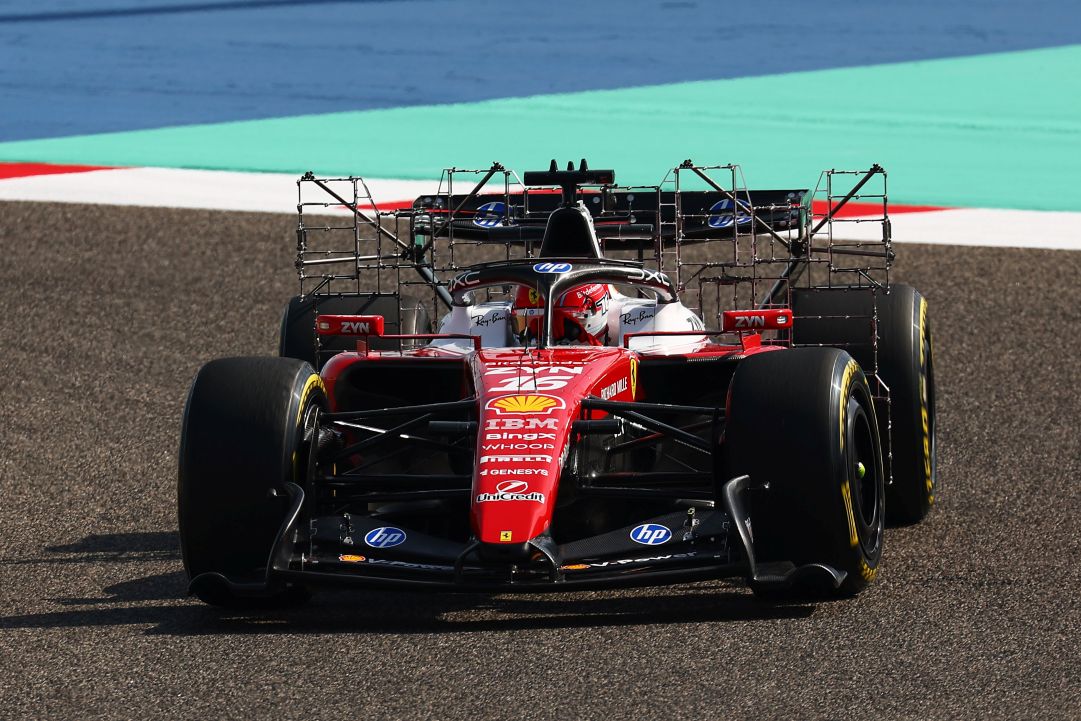
Federação Internacional of Automobilismo announced that it is open to making adjustments to the technical regulations of the Fórmula 1 for the 2026 season. The entity’s single-seater director, Nikolas Tombazis, highlighted that the current package is considered largely satisfactory, but recognized the need to evaluate the energy recovery and implementation system.
Drivers like Max Verstappen have expressed dissatisfaction with the power management, even suggesting removing the batteries to simplify racing. Outros competitors, including Lando Norris, Lewis Hamilton and Fernando Alonso, also pointed out that the new concept could compromise the pure essence of the competition. Essas opinions were collected after the first laps with the prototype cars designed for 2026.
The FIA requested formal feedback from teams and drivers to refine the rules before final implementation. Tombazis emphasized that around 90% of the regulation meets sustainability and performance objectives, but admitted that specific adjustments can improve general acceptance. The tests on Bahrein, carried out between February 18 and 20, 2026, served as the initial basis for these assessments.
Pilot complaints about power management
Max Verstappen, current world champion, was one of the most vocal in criticizing the hybrid power system. Ele argued that excessive focus on battery management distracts from instinctive riding. Lando Norris added that the current model does not reflect the most authentic way of competing in high-speed races.
Lewis Hamilton and Fernando Alonso also expressed similar concerns during the testing sessions. Hamilton highlighted the complexity of the energy recovery system, while Alonso pointed out potential impacts on the overtaking strategy. Essas statements occurred after preliminary analysis of data collected on the Bahrein tracks.
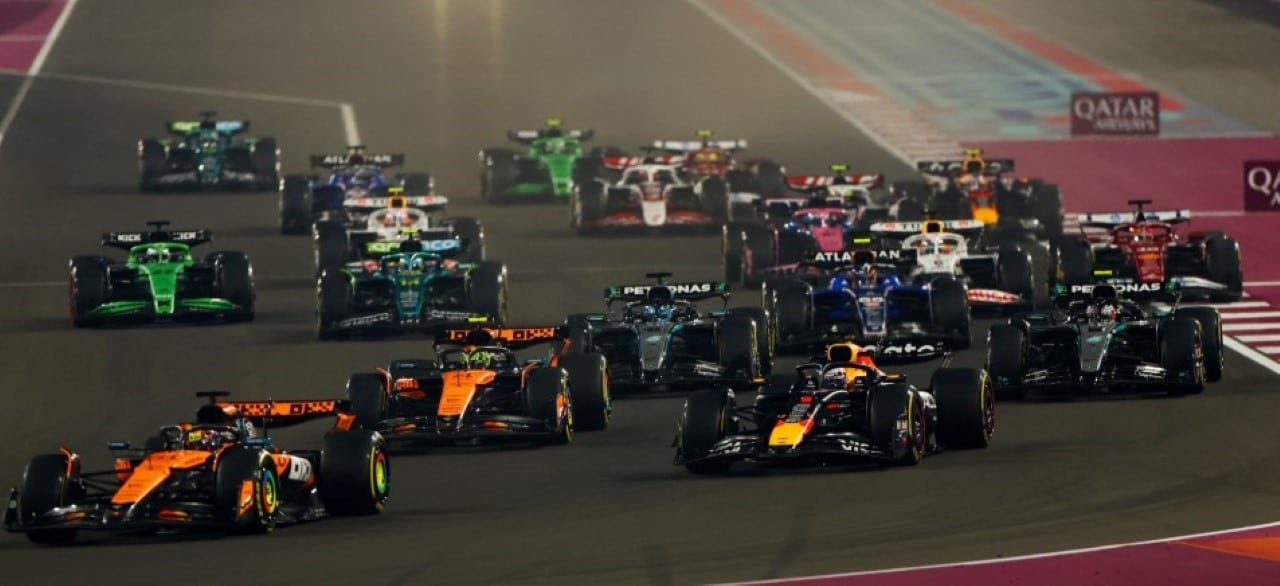
Technical details of the proposed regulation for 2026
The new Fórmula 1 regulation for 2026 introduces hybrid engines with greater emphasis on sustainable fuels. The cars will be equipped with power units that combine internal combustion engines and advanced electrical systems. The reduction in the total weight of vehicles aims to improve aerodynamic efficiency and safety on the tracks.
Teams tested prototypes incorporating these changes during pre-season at Bahrein. Engineers reported that the power deployment system allows for more powerful electrical boosts, but requires precise management to avoid overloads. Essa configuration seeks to balance performance with global environmental goals.
The FIA technical director explained that the package includes limitations on energy use per lap. Essas restrictions aim to promote more strategic and less fossil fuel-dependent racing. Teams, however, need to adapt their pit stop strategies to optimize the use of rechargeable batteries.
FIA assessment and next steps
Nikolas Tombazis stated that the entity considers the regulation to be 90% satisfactory based on initial simulations. Ele mentioned that potential adjustments will focus on balancing energy recovery and deployment. The FIA plans meetings with teams to discuss detailed feedback gathered from testing.
Drivers’ criticisms are not limited to energy management, but also include the reduced weight of the cars. Tombazis indicated that smaller vehicle dimensions received praise for improving maneuverability. However, the entity remains open to refinements to ensure equal competitiveness.
Testing on the Bahrein revealed valuable data on performance in real track conditions. The FIA will use this information to validate computer models developed throughout 2025. Equipes like Red Bull and McLaren have already sent preliminary reports on the prototypes.
Engineers from Mercedes and Aston Martin contributed analyzes on the integration of hybrid systems. Tombazis emphasized the importance of collaboration to finalize the regulations by the end of 2026. Essa collective approach aims to avoid discrepancies that could affect the racing calendar.
Impact of changes on 2026 cars
The new Fórmula 1 cars for 2026 will be lighter by around 30 kilos compared to current models, promoting greater agility in curves. Essa reduction in total weight is integrated with active aerodynamics that automatically adjust the wings to optimize downforce. Teams tested these elements in Bahrein, where high temperatures challenged the durability of electrical components. Além Furthermore, the regulation imposes limits on the consumption of sustainable fuel, aligning the category with international environmental standards.
The implementation of electrical energy will allow boosts of up to 350 kW at specific times during the race. Pilotos and Verstappen have criticized this reliance on electronic systems, arguing that it complicates direct disputes. However, simulations show that these changes can reduce lap times on circuits like the Bahrein by up to two seconds. The FIA monitors this data to balance innovation with sporting tradition.
Perspectives of the teams involved
Red Bull, the Max Verstappen team, led discussions on simplifying power management during testing. Seus engineers have proposed alternatives to reduce the complexity of hybrid batteries. McLaren, represented by Lando Norris, focused on how the new system affects overtaking strategy on high-speed tracks.
Mercedes, with Lewis Hamilton, emphasized the need for additional testing to validate the safety of electrical components. Aston Martin, from Fernando Alonso, contributed feedback on the integration of active aerodynamics. Essas collective contributions help the FIA refine the regulations before final approval.
Smaller teams such as Williams and Alpine have expressed concerns about the development costs of the new engines. Elas argue that regulation adjustments can level the competitive field. The FIA considers these points to ensure that the changes benefit the entire starting grid.
Historical evolution of regulations in Fórmula 1
Fórmula 1 has a long tradition of regulatory updates to promote safety and innovation, as seen in the transitions to turbo-hybrid engines in 2014 that introduced energy recovery systems similar to those proposed for 2026. Essas changes aimed to reduce emissions and increase efficiency, resulting in more strategic races where battery management became crucial to victories. Nos recent tests on the Bahrein, pilots revived debates similar to those of past decades, when aerodynamic changes drastically altered the balance of forces between teams. The FIA, when admitting adjustments, follows the pattern of listening to feedback to avoid imbalances, as occurred in 2009 with double diffusers that favored certain teams. The 2026 regulation seeks to balance sustainability with performance, incorporating lessons from previous eras where electrical innovations began to gain ground in categories like the Fórmula E. Além In addition, the reduction in car dimensions echoes 2022 reforms, which prioritized closer races and frequent overtaking. Tombazis highlighted that these potential adjustments maintain the focus on attracting new engine manufacturers, ensuring the longevity of the category.
Technical contributions from core teams
Ferrari and Mercedes have led the development of hybrid power units in recent years. Seus engineers tested configurations that maximize kinetic energy recovery during braking. No Bahrein, these systems demonstrated efficiency in mixed circuits.
Red Bull focused on aerodynamics integrated with electrical management. Seus prototypes showed gains in straight speed, but revealed challenges in slow corners. The team plans more simulations to optimize the use of boosts.
McLaren and Aston Martin contributed data on battery durability in hot conditions. Seus feedback helps the FIA define safe limits for energy deployment.
Alpine and Williams emphasized affordable costs for smaller teams. Elas suggest simplifications that reduce expenses without compromising technical innovation.
Tests on Bahrein and data collected
Pre-season testing on the Circuito Internacional of the Bahrein took place in temperatures above 30 degrees Celsius. Teams completed thousands of kilometers, collecting data on the performance of the new hybrid engines. The FIA analyzed telemetry which showed variations in energy consumption.
Drivers reported that the recovery system works well on long straights, but requires adjustments in winding sectors. Esses insights guide discussions on regulatory refinements. The entity prioritizes safety when evaluating potential electrical overloads.
Sustainability in the new regulation
The 2026 regulation imposes the use of 100% sustainable fuels derived from renewable sources. Essa measure reduces the category’s carbon emissions by up to 50% compared to current standards. The teams tested mixtures that maintain performance without compromising engine power.
The integration of electrical systems complements these fuels, allowing energy recovery during decelerations. Pilotos noted that this approach requires more precise strategies but promotes overall efficiency. The FIA monitors the environmental impact of these changes.
Racing strategies affected
With the new system, teams will need to plan their energy usage throughout races. Boosts limited electric vehicles per lap change overtaking tactics. No Bahrein, simulations have shown that efficient management can gain crucial positions.
Pit stops will gain importance for quick battery recharges. Equipes and Red Bull tested procedures that minimize wasted time. Essas adaptations aim to keep the spectacle of racing intact.
- Weight reduction: Carros 30 kg lighter for better agility.
- Electrical power: Até 350 kW available in controlled boosts.
- Sustainable fuels: 100% renewable for less environmental impact.
- Active aerodynamics: Asas adjustable to dynamically optimize downforce.
Preparation for the 2026 season
The teams continue development based on feedback from Bahrein. The FIA schedules technical meetings for March 2026. Essas discussions focus on finalizing adjustments to the regulations.
Pilots actively participate to ensure changes reflect practical needs. Tombazis states that the collaborative process strengthens the category. The additional testing calendar includes sessions at other circuits.



