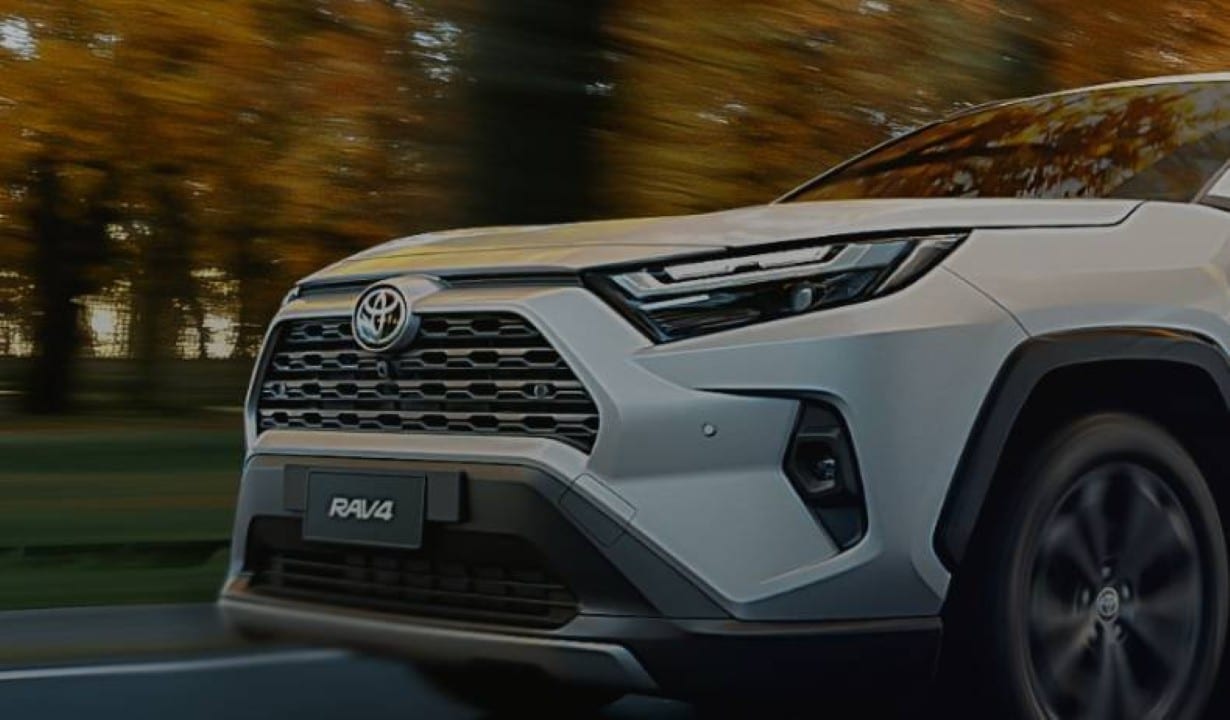
The strategic decision to fully convert the fleet of the world’s best-selling sport utility vehicle to hybrid technology triggered immediate consequences across the global supply chain. Concessionárias report increasing difficulties in keeping model units in stock, since the complexity inherent in manufacturing hybrid systems demands more extensive industrial processes and specific components, differing substantially from the production of old purely combustion engines.
This move reflects the automotive manufacturer’s aggressive commitment to the energy transition, prioritizing sustainability even if this results in temporary bottlenecks in delivery to end consumers. The high demand for the SUV, combined with the adjusted production pace, created a scenario where managing customer expectations became as crucial as the sale itself.
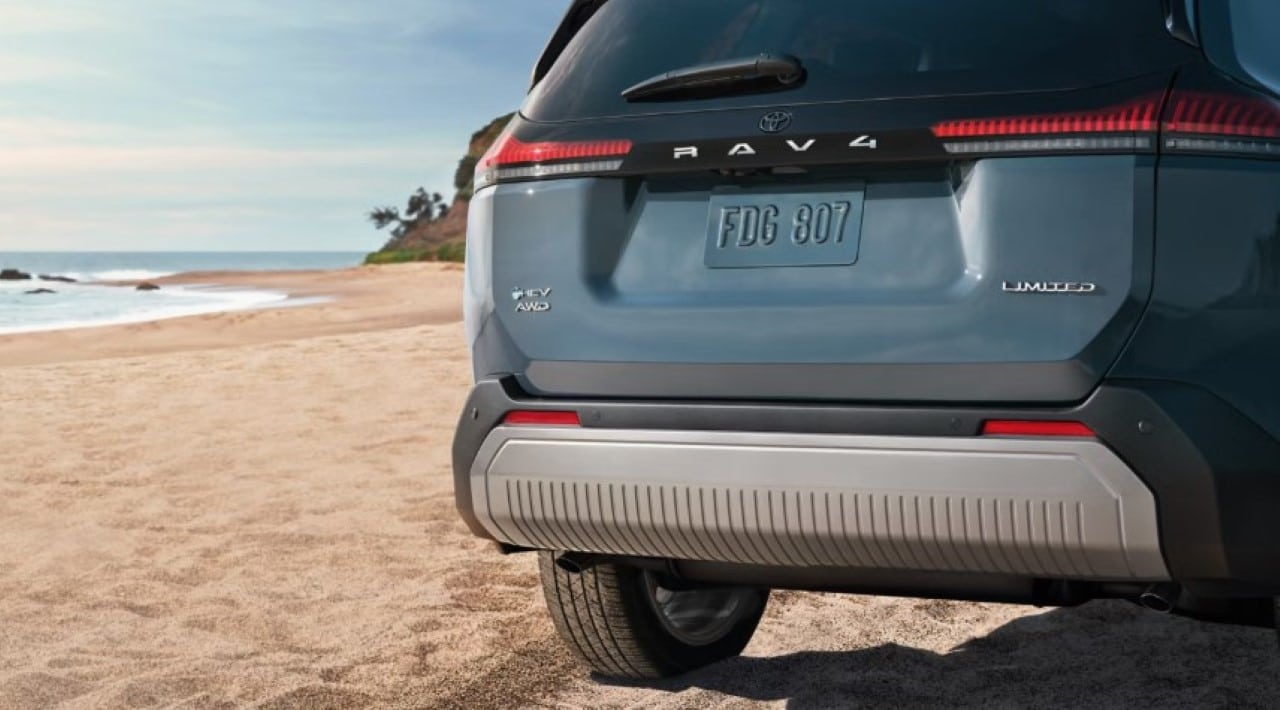
The brand’s engineers highlight that the time each vehicle spends on the assembly line has increased considerably, reducing the total volume of units completed daily. Essa planned slowdown aims to guarantee the absolute quality of new propulsion systems, but directly collides with market interest, generating waiting lines that can last for months in priority regions.
To mitigate buyers’ frustration, the distribution network adopted palliative measures, such as offering alternative models that share the same technological platform. Inventory management has become an exercise in logistical precision, where each unit delivered is immediately replenished in the ordering system, eliminating the possibility of full yards forming.
Challenges in the assembly line and industrial logistics
The transition to a fully hybrid line poses significant logistical challenges for factories, which need to adapt their assembly lines to simultaneously integrate high-voltage batteries and electric motors. Diferentemente than conventional vehicles, assembling a hybrid requires more rigorous electronic calibration tests and a constant supply of semiconductors, items that still suffer fluctuations in the international market.
The engineering complexity involved is not just limited to installing additional components. The process requires perfect synchronization between battery cell suppliers and the final production line. Qualquer delay in delivery of power modules results in immediate shutdowns as the vehicle cannot be partially completed.
Furthermore, the qualification of labor in factories needed to be intensified. Technicians now deal with high-voltage systems that require specific safety protocols, changing the traditional rhythm of the factory floor. Essa adaptation, although necessary for the future of mobility, represents a momentary obstacle to the speed of delivery that the market was accustomed to.
Technical specifications and energy efficiency
The main attraction that keeps buyers interested, despite the wait, is the leap in efficiency promised by the new generation of the vehicle. The combination of the 2.5-liter engine and electric powertrains has been refined to offer consumption figures that surpass most direct competitors in the medium SUV segment.
Technical data reveals that the new configuration was designed to maximize autonomy without sacrificing performance on uneven roads or terrain. Engineering focused on delivering a product that justifies the consumer’s investment and patience through operational savings. Standout specifications include:
- Average consumption estimated at 18 km/l in a mixed cycle, establishing a new standard for the category.
- Total autonomy of more than 1,000 km on a single tank of fuel, ideal for long trips.
- Intelligent all-wheel drive system on demand, ensuring safety on different types of flooring.
- Significant reduction in pollutant emissions in urban use, in line with new environmental regulations.
This efficiency positions the model as an essential tool for families looking to reduce long-term operating costs. The selling argument moved from raw power to energy intelligence, convincing many customers to wait for the vehicle to arrive instead of opting for immediate combustion competitors.
Commercial strategies and customer retention
Given the shortage of the main product, dealers were instructed to redirect consumers’ attention to other hybrid vehicles from the brand that have greater immediate availability. The Corolla Cross Hybrid appears as the primary suggested alternative, offering similar mechanics in a slightly more compact body, catering to those who cannot wait for extended delivery times.
Another tactic used is the presentation of models from higher segments, such as the Venza or the Crown Signia, to customers willing to invest more in exchange for prompt delivery and greater sophistication. Essa internal movement aims to keep the buyer within the manufacturer’s ecosystem, avoiding migration to rival brands that are also advancing in the electrification of their fleets.
The automotive industry is closely watching this movement, as the success or failure of this total electrification strategy will serve as a thermometer for future launches. The automaker’s ability to normalize inventories in the coming quarters will define whether the bet on hybrid exclusivity will become the new gold standard for high-volume vehicles or whether production adjustments will be necessary to balance supply.