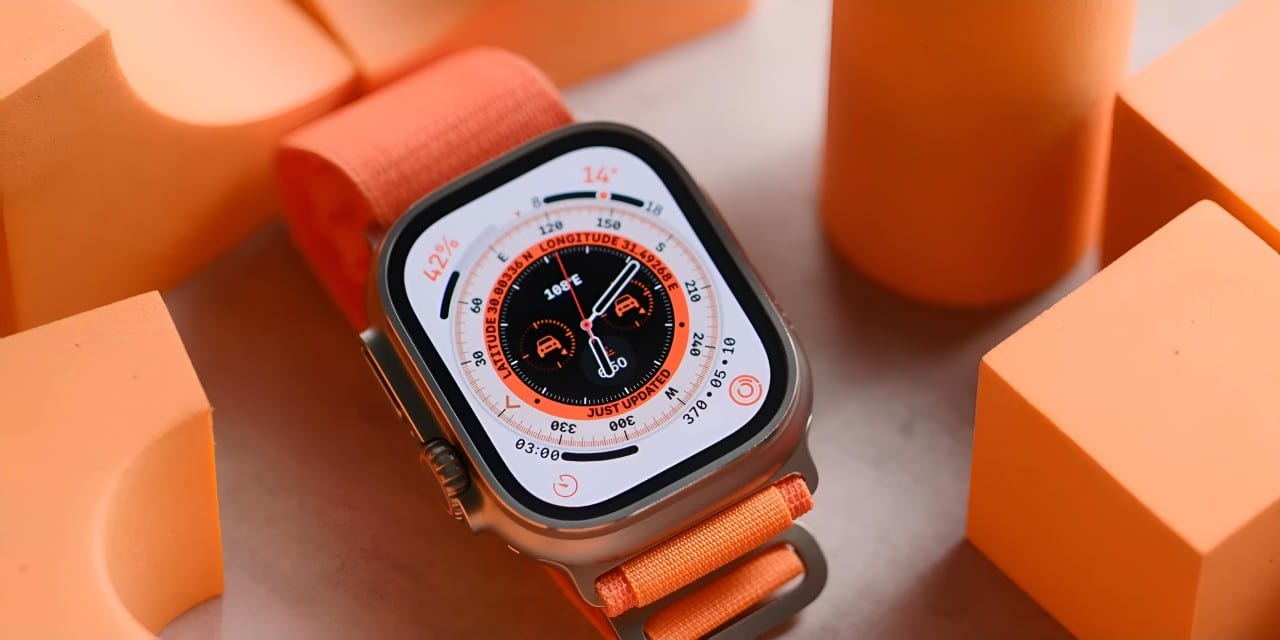
Apple smartphone owners have increasingly sought peripheral alternatives that offer efficient integration without the high costs of the brand’s native products, driving a competitive market for wearable devices. Fabricantes Asian brands such as Huawei, Xiaomi and Amazfit consolidate their presence in the national market with watches that guarantee compatibility with the iOS system and deliver advanced health monitoring features. The diversification of this segment allows consumers to find everything from lightweight and discreet bracelets to robust models with military resistance certifications.
Devices currently available in retail operate in a price range that varies from R$279 to R$1,636, democratizing access to technologies such as AMOLED screens and bioimpedance sensors. Energy autonomy has become the main differentiator of these devices compared to their direct competitors, with batteries that can last weeks away from the socket. Essa feature attracts users who want to monitor sleep and physical activities without daily interruption for recharging.

Technological integration has evolved to the point of allowing notifications, calls and health data to be synchronized seamlessly with the Apple ecosystem through proprietary applications. Mesmo with the current minimum wage set at R$1,621, the variety of models allows different economic profiles to have access to precise well-being and productivity tools.
Entry options focus on lightness and autonomy
Compact models such as the Huawei Band 10 and Xiaomi Smart Band 10 stand out for their aluminum alloy construction and reduced weight of just 15 grams, offering comfort for continuous use during the day and night. Estas smart bracelets are equipped with 1.47-inch AMOLED screens that make it easy to read messages and health metrics in direct sunlight. The fast charging system is another strong point, guaranteeing a full charge in around 45 minutes.
Improved versions of the Xiaomi line elevate the visual experience with larger 1.72-inch displays and intense brightness of 1,500 nits, keeping the price affordable at around R$286. The 5 ATM water resistance allows for use while swimming, while the 233 mAh battery supports up to three weeks of moderate use.
Advanced navigation and communication features
Users who need independence from their cell phone during physical exercise will find the Amazfit Bip 6 a robust solution, with a starting price of R$549 and support for offline maps via integrated GPS. The 1.97-inch AMOLED screen reaches peak brightness of 2,000 nits, ideal for cyclists and runners who practice outdoor activities. This model’s battery sustains two weeks of operation, eliminating the anxiety of frequent recharges.
The Redmi Watch 5 bets on the quality of phone calls via the Bluetooth, using a dual microphone system with noise cancellation to ensure clarity in conversations. Sua 2.07-inch screen with a refresh rate of 60 Hz offers fluid animations, while the 550 mAh battery supports intense use.
Extreme durability and clinical monitoring
Premium segments like the one occupied by the Huawei Watch GT 6 offer robust construction with IP69 certification, resisting high-pressure water jets and extreme temperatures. With a suggested price of R$1,636, the device has an 867 mAh battery capable of keeping the watch active for up to 21 days, making it ideal for expeditions and hostile environments.
For those who prioritize heart health, the Huawei Watch Fit 4, costing around R$1,099, features sensors capable of detecting arrhythmias and monitoring arterial stiffness in real time. Sua 1.82-inch screen has high resolution and the power management system allows for a full day of use with just 10 minutes of charging.
