

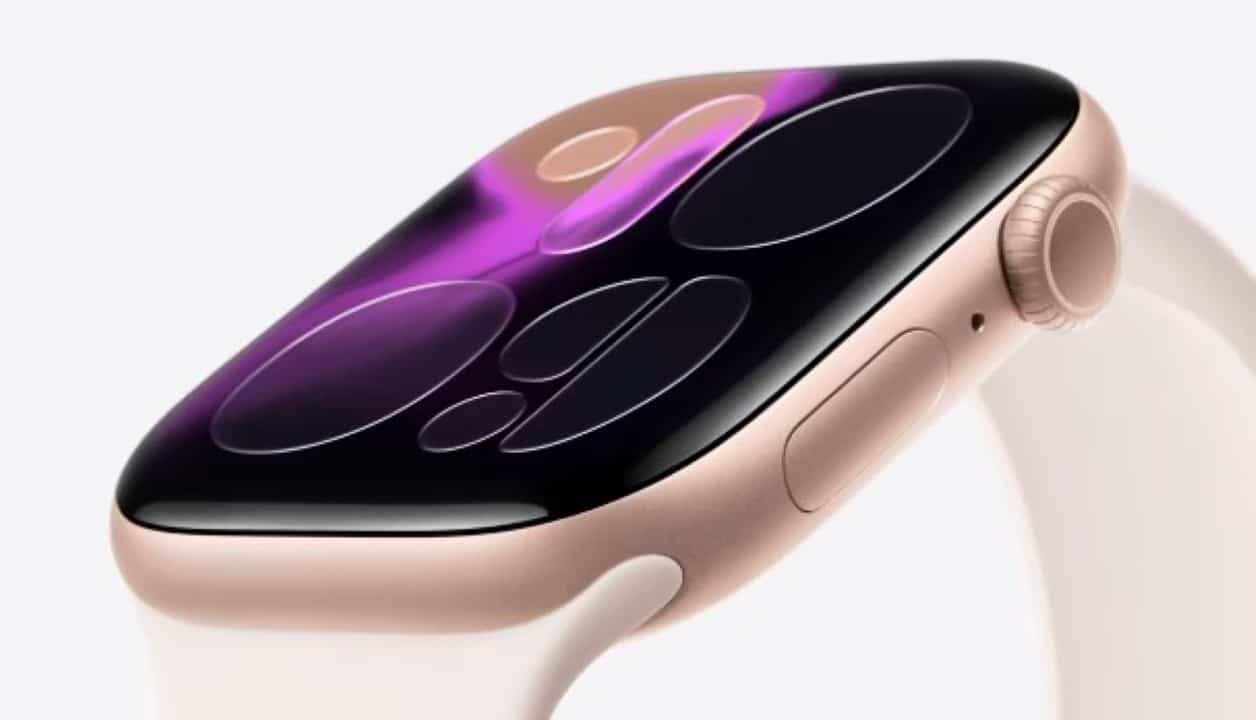
The Apple smart watch has established itself as a robust tool for monitoring personal health, using a complex set of sensors to capture biometric data. The effectiveness of this information collection, especially during nighttime rest, directly depends on the correct calibration of the device by the user. Pequenos adjustments to internal settings can transform generic estimates into detailed reports on sleep stages, including REM, deep sleep, and waking moments.
The accuracy of health data is essential for those seeking to understand rest patterns or identify possible physiological irregularities. Quando properly configured, the device cross-references information on heart rate, movement and oxygenation to create a complete profile of the user’s night. Sem this optimization, the system may resort to calculations based solely on smartphone use, which drastically reduces the reliability of the metrics presented in the Saúde application.

Wearable technology experts point out that most owners use the factory default settings, ignoring specific menus that unlock the hardware’s full potential. Customizing these parameters does not require advanced technical knowledge and can be carried out directly through the manager application on the iPhone, ensuring that the investment in the equipment returns actionable data for daily well-being.
Priority activation of on-device tracking
The first step to ensuring data fidelity is to establish the clock as the primary source of information. In the Watch iPhone app, within the Sono section, the option to track sleep with Apple Watch must be explicitly enabled. Essa action prevents the operating system from merging inaccurate data based solely on the time the cell phone remains inactive overnight.
By centralizing the collection on the wrist, the system starts to record micro-awakenings and subtle variations that the phone on the bedside table would never detect. Automatic syncing with iCloud ensures your health history is preserved and updated in real time, enabling comparative analysis over weeks or months.
Physical bracelet adjustment and pulse detection
The physical integrity of the connection between the sensors and the skin is as important as the software. The watch must be positioned firmly on the wrist, avoiding gaps that allow external light to enter or momentarily lose contact. The technical recommendation is to maintain an adjustment that does not disturb circulation, but that prevents the device from slipping during involuntary nighttime movements.
Simultaneously, the arm detection function must be enabled in the device code settings. Esse feature is vital for the optical heart rate sensor to operate in the background throughout the rest period. Sem continuous heartbeat reading, the algorithm cannot accurately differentiate sleep phases or calculate heart rate variability.
Combining a correct physical fit with active pulse detection eliminates gaps in monitoring graphs. Leituras interruptions often result in inconclusive reports, where the device cannot determine whether the user was sleeping or simply removed the watch from their wrist.
Advanced oxygen and temperature monitoring
More recent models of the device have introduced blood oxygenation and body temperature reading capabilities, which enrich sleep analysis. Enabling background oxygen measurements allows the system to identify drops in saturation that may indicate respiratory disorders. On supported models, such as the Series 9 and later, the algorithm can even flag possible cases of sleep apnea after a consistent thirty-day data collection period.
Pulse temperature also plays a crucial role in analyzing circadian rhythm. The human body naturally reduces its temperature to induce sleep, and monitoring these variations helps to identify environmental or physiological factors that may be impairing rest. Esses data is automatically processed when Foco Sono mode is active, offering an extra layer of depth to the morning report.
Battery management and sleep routines
Continuity of monitoring depends on efficient power management, as nighttime tracking consumes device resources. The system offers charge reminders that notify the user before the scheduled bedtime if the battery is below 30%. Essa functionality is essential to prevent the clock from turning off in the middle of the night, fragmenting the session data.
Integrating charging into your nighttime routine, taking advantage of moments of low activity such as showering or reading before bed, ensures that the device has enough autonomy to cover the entire night. Além In addition, setting sleep times in the Saúde app automatically activates focus mode, silencing notifications and reducing screen brightness, which contributes to both battery savings and the user’s sleep hygiene.