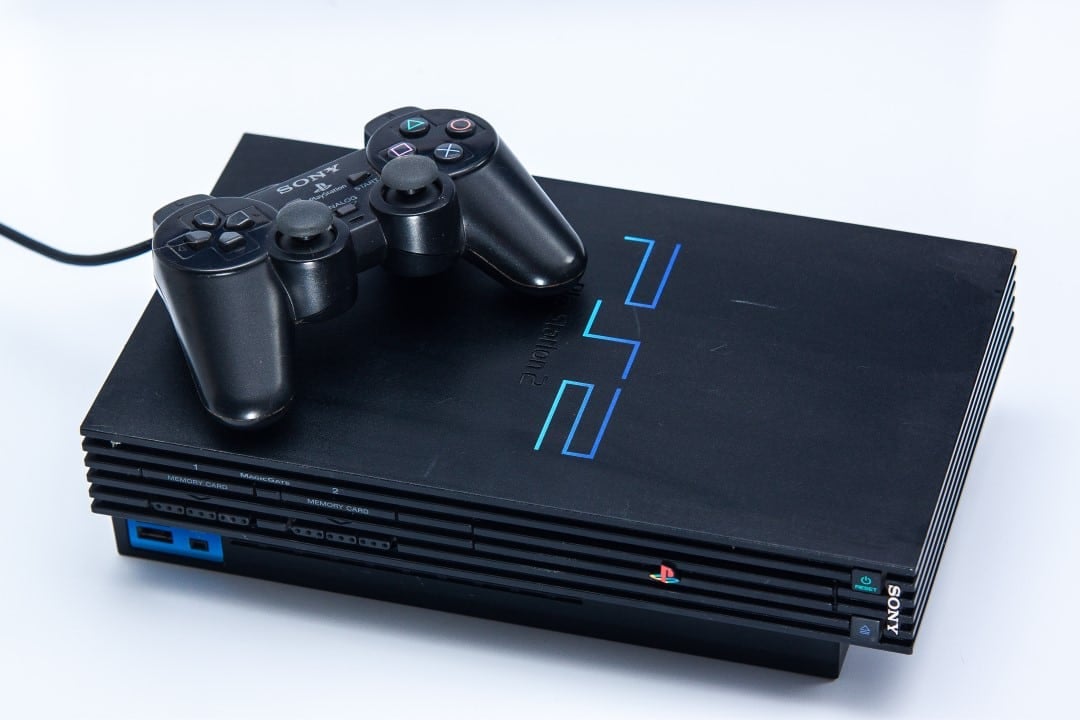
The technical barrier between classic consoles and modern computers has just been significantly reduced thanks to a new software project. The traditional method of accessing old libraries, which depended almost exclusively on hardware simulation, gained a robust alternative focused on direct code conversion. The tool, called PS2Recomp, proposes a paradigm shift by transforming the original game files into executables that Windows can read natively.
The person responsible for the innovation is the Brazilian developer Ranieri Alfas, who made the initiative’s source code available on the GitHub platform to encourage global collaboration. Unlike emulators, which need to translate instructions in real time with high processing costs, this system recompiles console binaries into the C++ language. The practical result is the possibility of running classics with superior performance and lower hardware requirements.
PS2 GAMES RUNNING NATIVELY ON PC WITHOUT EMULATION!
PS2Recomp, a project created by a Brazilian, which uses static recompilation to convert PS2 binaries into C++ code, allowing native versions of games on PC.
PROJECT IS NOT READY, but the work has started!pic.twitter.com/LblIGHIGHg
— Senhor Linguica (@SenhorLinguica)January 26, 2026
Recent demonstrations have proven the tool’s effectiveness, showing games running directly on the operating system without the usual layers of complexity. The digital preservation community received the news with enthusiasm, as the PlayStation 2, originally released in 2000, has a notoriously complex architecture that made accurate emulation difficult for many years.
The challenge of the Emotion Engine architecture
The engineering behind PS2Recomp addresses one of the most persistent hurdles in retro computer graphics: the complexity of the Emotion Engine processor. The original Sony system used an architecture based on MIPS R5900, full of vector coprocessors and specific instructions that do not have direct equivalents in current x86 processors. Ranieri’s work focuses on static translation of these instructions, converting a game’s entire data packet into a format that modern compilers understand. Esse process creates an independent executable that, although it still requires a runtime to manage specific functions, eliminates the need to simulate the console chip every clock cycle, ensuring stability that dynamic translation often cannot achieve.
Comparison with software emulation
Established software like PCSX2 operates under the logic of hardware emulation, trying to replicate the physical behavior of the console inside the computer. Although this approach has reached a very high level of compatibility over the decades, it requires a considerable amount of machine resources to maintain the original speed of the games. Além Furthermore, traditional emulation often relies on proprietary BIOS files and complex settings to correct title-specific graphical glitches.
The new project’s static recompilation proposal removes the “overhead” — the extra processing load — generated by continuous simulation. By turning the game into a native PC application, the software allows the processor and graphics card to work more directly. Isso not only frees up system resources, but also makes it easier to fix bugs directly in the converted code, offering a cleaner and more efficient solution for preserving titles that suffer from stuttering or visual glitches in conventional emulators.
Technical Benefits of Running Native
Converting to a native executable opens up a range of possibilities for graphical improvements that would be difficult to implement via emulation. Support for 4K resolutions and widescreen formats, for example, can be integrated more organically, without the need for “hacks” or artificial filters that often distort the user interface.
Another significant advantage is the drastic reduction in input latency, known as input lag. Como there is no heavy intermediate layer interpreting control commands before sending them to the game, the response of the characters on the screen becomes practically instantaneous, replicating or even surpassing the feeling of playing on the original hardware.
Modifying textures and implementing higher frame rate support also becomes more accessible processes. Desenvolvedores independents can work on the recompiled code to modernize dated visual aspects, ensuring that works from two decades ago can be enjoyed with the visual fidelity expected on contemporary displays.
Impact on game library
The PlayStation 2 library is vast, containing more than four thousand titles, and many of them remain exclusive to the platform to this day. Jogos as “God of War” and its sequel, which redefined the action and narrative genre, are ideal candidates to receive native versions that preserve their grandeur without the technical limitations of the time.
Another notable example is “Grand Theft Auto: San Andreas”, which, despite having PC versions, has unique features in the console edition that could be accurately rescued. The tool promises to maintain the integrity of open world mechanics that often suffer from glitches in poorly optimized official ports.
RPG titles like “Final Fantasy X” and “Kingdom Hearts” would also benefit immensely from recompilation. The complexity of the battle systems and the audio and video synchronization in these works require a precision that native execution can provide more reliably than emulation, ensuring that the narrative experience is not interrupted by technical glitches.
Works renowned for their artistic direction, such as “Shadow of the Colossus”, could run with unprecedented fluidity. The minimalist design and epic scale of the colossi, which pushed the original hardware to the limit, would have the chance to run at stable frame rates in the PC environment, preserving the creators’ original vision.
Possibilities for system Android
The flexibility of the C++ code generated by PS2Recomp suggests a promising future for mobile devices as well. Compilation for the ARM architecture, used in most smartphones and tablets, is a natural path for the project, which could transform Android devices into platforms capable of running these classics with superior energy efficiency.
Currently, emulators like AetherSX2 require high-end devices to deliver acceptable performance, generating a lot of heat and consuming battery quickly. Native execution via recompilation could democratize access to these games on mid-range phones, enabling portable gameplay without the thermal stress associated with heavy emulation.
The role of the community in development
The open source nature of the project has attracted the attention of programmers around the world, accelerating the pace of updates and corrections. The official repository records constant activity, with contributors helping to map unknown instructions and implement support for audio and video libraries that have not yet been fully converted.
This decentralized collaboration is vital to the long-term success of the tool, given the massive volume of games to be tested. Parcerias information and feedback from users testing specific titles help the developer prioritize which aspects of the virtual hardware need immediate attention, creating a virtuous cycle of improvement.
Preservation of digital legacy
With more than 160 million units sold, the Sony console has left an indelible mark on pop culture, and ensuring its software remains accessible is a matter of historical preservation. PS2Recomp emerges not just as a technical curiosity, but as an essential tool for keeping thousands of games alive that could otherwise be lost due to the obsolescence of physical hardware.
