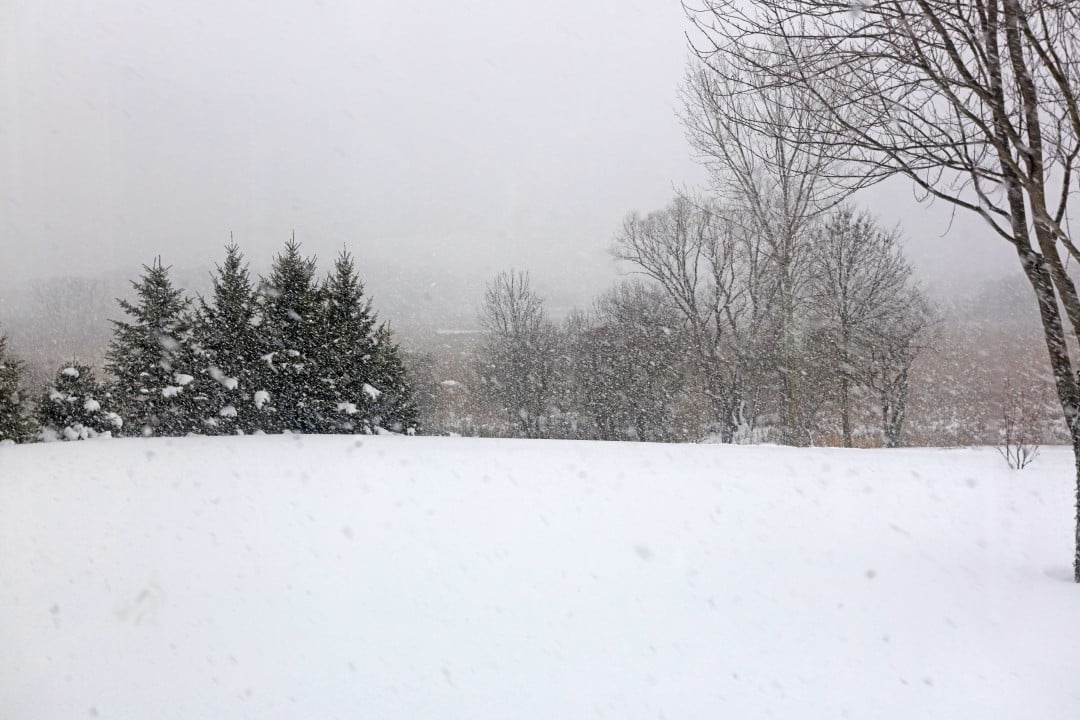
An intense cold front, characterized by meteorologists as a bomb cyclone, reached the coast of Nordeste of Estados Unidos this Monday, bringing severe weather conditions to millions of inhabitants. The low pressure system caused rapid accumulations of snow and hurricane-force winds, directly impacting daily life in densely populated states such as Nova York, Connecticut and Nova Jersey.
Restriction and public security measures
Given the severity of the phenomenon, state governments acted quickly to implement strict safety protocols, aiming to minimize risks to the lives of the population. Desde On Sunday night, a total ban on the circulation of non-essential vehicles is in force in several metropolitan areas, a measure that seeks to facilitate the work of rescue and road cleaning teams.

Local authorities reinforced that only police cars, ambulances and public service trucks are allowed to travel on main roads. The reduced visibility, close to zero in some points, makes any civilian movement extremely dangerous, justifying the rigidity of the restrictions imposed until conditions improve.
Impacts on infrastructure and energy supply
The strength of the winds, which reached gusts of 110 km/h in coastal regions, caused significant damage to the electricity grid, leaving hundreds of thousands of homes and commercial establishments in the dark. Árvores falls on the wiring make access difficult for repair teams, who work in continuous shifts to restore service, prioritizing hospitals and emergency centers.
Snow accumulation has already exceeded the 60 centimeter mark in several locations, surpassing records from previous storms in the last decade. Esse excessive volume overloads roofs and structures, in addition to completely blocking access to entire neighborhoods, requiring the use of heavy machinery to clear critical routes.
Chaos in air transport and economic losses
The aviation sector is facing a temporary collapse in the region, with the cancellation of more than 5,000 domestic and international flights, isolating important global air hubs. Passageiros have been advised not to go to airports, while airlines try to relocate travelers to future dates, anticipating a ripple effect that is expected to last for days.
Economic analysts project substantial financial losses due to the forced shutdown of commerce and industry this Monday. The closure of stores, offices and disruption to logistics and delivery chains is expected to generate an impact of hundreds of millions of dollars, in addition to the costs of repairing damaged infrastructure.
Coordinated response and humanitarian assistance
To mitigate the effects of extreme cold on the most vulnerable populations, warming centers were opened in schools, churches and public buildings. Guarda Nacional was called in to assist with the logistics of distributing essential supplies and rescuing drivers who may have become stuck on highways before the total closure.
The weather forecast indicates that the system should gradually move towards Canadá Atlântico, allowing the most intense recovery work to begin from Tuesday. However, the danger alert remains active, with recommendations for citizens to keep emergency stocks and avoid leaving their homes until official authorization from the authorities.
