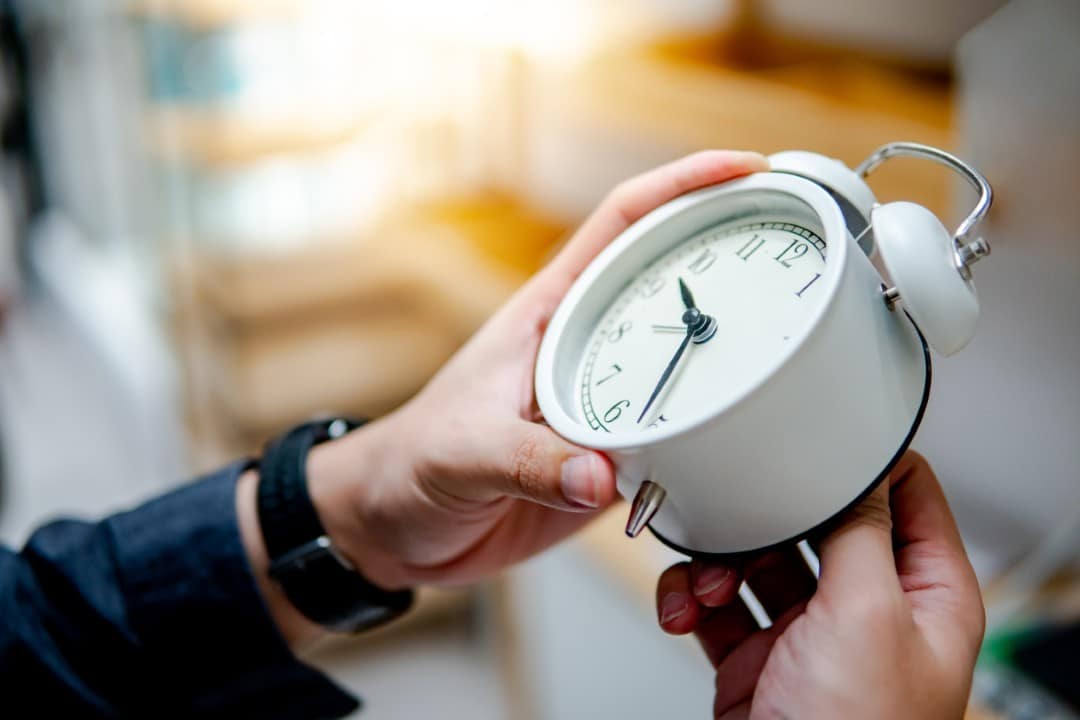
The arrival of spring in the northern hemisphere marks a crucial moment for the civil organization and biological routine of residents in the Canadá, with the imminent transition to daylight saving time. In the early hours between Saturday, March 7, and Sunday, March 8, 2026, most Canadian provinces and territories will set their clocks forward one hour. The procedure, which aims to optimize the use of sunlight during the warmer months, requires the population to prepare to lose sixty minutes of sleep, a factor that triggers annual discussions about the need and impacts of this centuries-old measure.
Although the practice is usual and expected, the change in the country’s official schedule is not uniform and reflects the provinces’ autonomy in deciding on their temporal guidelines. Enquanto millions of people adjust their devices to follow the new cycle, health authorities and sleep experts warn of the importance of gradual adaptation. The sudden change in daily rhythm can affect productivity and well-being in the first few days after the transition, requiring extra attention in traffic and the work environment.
The return of longer, brighter days is generally welcomed by the population, who see the change as a sign of the end of the harsh winter and the beginning of a season suitable for outdoor activities. However, the debate over the energy efficiency of daylight saving time, the original reason for its implementation, gains momentum every year, countered by evidence suggesting marginal economic benefits in the modern era.
The coordination of this temporal adjustment involves not only the mechanical alteration of the hands, but a complex synchronization of transport, logistics and communications systems throughout the national territory. The geographic diversity of Canadá poses additional challenges, as certain communities choose to maintain fixed schedules, creating temporal islands that operate out of step with the rest of the country for half of the year.
Technical details of the time transition
The officialization of the new time will take place promptly at 2 am on Sunday morning, when the clocks should jump directly to 3 am. Este adjustment puts the province of Quebec and other adherent regions back to Horário of Verão of The measure will remain in force until autumn, ensuring that late afternoons have greater natural light, which historically favors commerce and nighttime leisure.
The 2026 cycle is scheduled to end on the night of Halloween, between October 31st and November 1st. Neste second moment, the reverse operation will be carried out, with the clocks being delayed by one hour to return to standard time. Diferente of the spring transition, the autumn adjustment is often associated with a sense of relief, giving back to the population the hours of sleep suppressed at the beginning of the year and realigning the country with the Horário Padrão of the Leste (UTC-5).
Experts reinforce that the predictability of these dates is fundamental for planning sensitive sectors, such as civil aviation and the financial market. Synchronization with Estados Unidos, the main commercial partner of Canadá, is one of the preponderant factors for maintaining the current system in large urban centers such as Montreal and
Regional exceptions and provincial autonomy
The application of daylight saving time in Canadá is far from being an absolute rule, with several localities exercising their right to reject the seasonal change in favor of stability. The province of
In Quebec, geographic complexity results in specific exceptions that defy standardization. The Baixa Costa Norte region remains fixed at the Horário of Verão of the Leste (UTC-4), effectively aligning itself with the Similarmente, the Ilhas of Madalena and the community of Listuguj follow their own calendars, demonstrating that local needs and geographic position prevail over national guidelines in remote areas.
The territory of Yukon represents the most recent example of a break with the traditional model, having abolished the time change in 2020 after public consultation. The decision to adopt daylight saving time permanently reflects a growing trend of prioritizing public health and social convenience, eliminating the disruptions associated with bouncing clocks and serving as a case study for other jurisdictions considering similar moves.
Physiological impacts and public safety
The interruption of the circadian rhythm caused by the clocks moving forward is the subject of medical studies that point to consequences that go beyond simple drowsiness. The abrupt loss of an hour of rest forces the body to adapt quickly, which can trigger hormonal imbalances and affect mood regulation. Pessoas with pre-existing sleep disorders or sensitivity to routine changes are most vulnerable to these effects.
Statistical data from previous years indicate an increase in the incidence of traffic and work accidents in the week immediately following the time change. Accumulated fatigue and reduced attention levels are identified as direct causes, leading traffic authorities to issue preventive alerts to drivers and pedestrians during the adaptation period.
In addition to physical risks, there is a correlation observed between time transitions and cardiovascular health. Pesquisas suggest a slight increase in the occurrence of heart problems in the days following the change of spring, a phenomenon attributed to the physiological stress caused by sleep deprivation and the abrupt change in the activity and rest cycles of the human body.
Mental health also enters the equation, with reports of irritability, anxiety and difficulty concentrating. Exposure to natural light plays a vital role in synchronizing the biological clock, and artificially manipulating this cycle requires the brain to make extra effort to recalibrate the production of melatonin and other neurotransmitters essential for emotional balance.
Strategies to minimize the effects of change
To mitigate the negative impacts of the transition to daylight saving time, experts recommend adopting proactive measures in the days leading up to the official change. The objective is to prepare the body gradually, avoiding the shock of a sudden change and facilitating the resynchronization of the biological clock with the new social schedule.
Some best practices include:
- Gradual sleep adjustment:Tentar sleep and wake up 15 to 20 minutes earlier progressively, starting three or four days before the time change.
- Morning light exposure:Buscar natural light right after waking up helps suppress melatonin and signal to the body that the day has begun, combating daytime drowsiness.
- Strict sleep hygiene:Evitar the use of screens, caffeine consumption and heavy meals in the hours before sleep to ensure quality rest.
- Routine maintenance:Tentar maintain the usual meal and exercise schedules, which serves as a temporal anchor for metabolism.
The economic debate and the future of the measure
The historical justification for daylight saving time was based on energy savings, crucial during periods of war and supply crises in the last century. The premise was that, with more natural light at the end of the day, homes and industries would reduce the use of artificial lighting. However, the modernization of consumption patterns, with the intensive use of air conditioning and electronics, has made this economy questionable in many regions.
Currently, the debate has shifted to productivity and trade. Setores of retail and tourism defend the measure, arguing that longer days encourage consumption and leisure activities after work. On the other hand, public health advocates and agricultural groups point to the damage caused by biological deregulation and operational difficulties in the field, where work is governed by the sun and not the clock.
The global movement to end time changes gains followers in Canadá, influenced by decisions from provinces such as Yukon and Saskatchewan. The legislative discussion about establishing a permanent time — whether summer or standard — remains active, often depending on an alignment with neighboring states of the Estados Unidos to avoid economic isolation. Enquanto a consensus is not reached, the Canadian population continues to carry out the annual ritual of adjusting their clocks, balancing between tradition and contemporary scientific evidence.
