

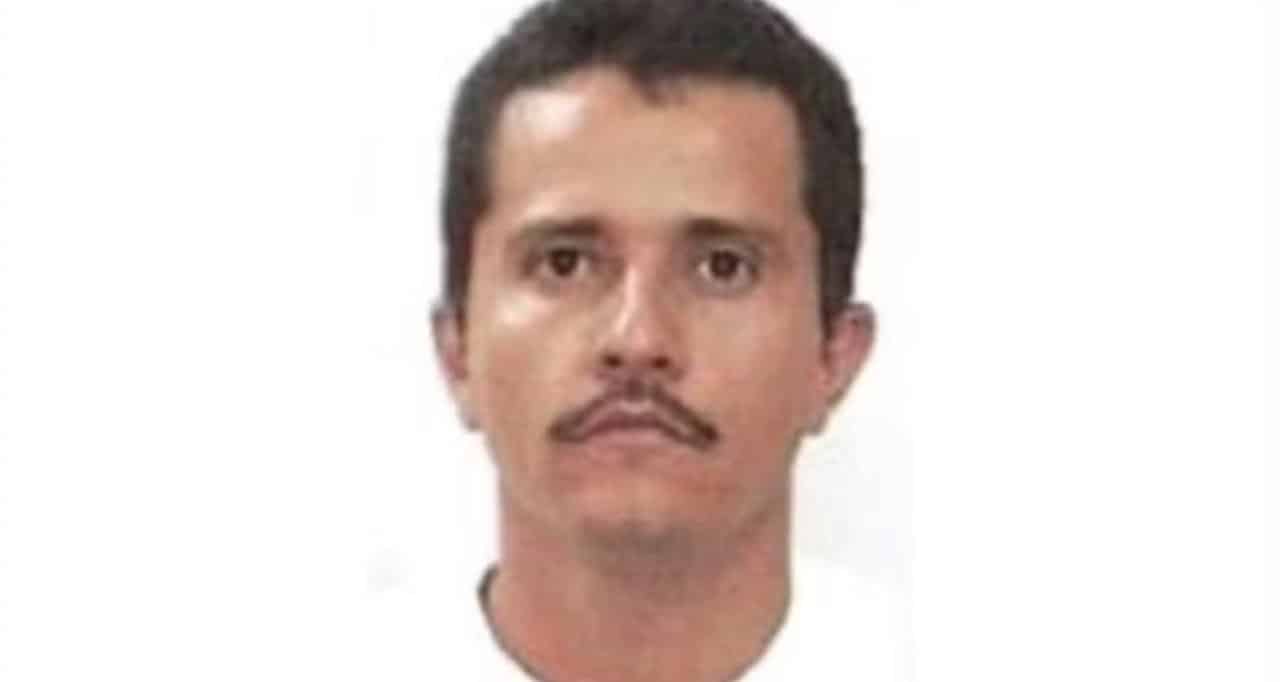
An atmosphere of tension and instability took over several regions of Mexican territory shortly after the confirmation of Nemesio Rubén Oseguera Cervantes’s death. The criminal leader, a central figure in the hierarchy of local cartels, died last Monday, triggering an immediate chain reaction by armed groups. The population of Jalisco and neighboring states faces a scenario of uncertainty, with their routine severely altered by retaliatory actions that challenge the response capacity of local and federal authorities.
Burning vehicles and blockages on strategic roads were recorded at multiple points, creating a collapse in urban and road mobility. Security forces were called in urgently to try to contain the fires and clear the roads, but the coordination of the attacks made it difficult to immediately restore order. The Mexican government mobilized personnel from Guarda Nacional and Exército to reinforce patrolling in the most critical areas, seeking to prevent violence from spreading further to residential areas.

The impact on daily life was instantaneous, forcing citizens to remain in their homes and emptying shopping centers that, on normal days, would be busy. Fear of new clashes caused essential services to operate partially or be completely interrupted. The public administration is now working with crisis offices to monitor the situation in real time and issue security alerts as events evolve in the coming hours.
Preliminary reports indicate that the leader’s death served as a trigger for a show of force by organized crime, which seeks to mark territory and intimidate rivals and Estado himself. The situation requires extreme caution on the part of the civilian population, who find themselves in the middle of a major armed conflict. Authorities reiterate the request that non-essential travel be avoided until safety on main roads is guaranteed.
Arrests and initial assessment of the clashes
Rapid response operations conducted by Polícia Federal and state forces resulted in the arrest of at least 25 individuals in the hours following the start of the unrest. Segundo official information released by the local press, 11 suspects were arrested for direct involvement in acts of violence and vandalism, while another 14 were captured in the act during looting of commercial establishments.
The urban warfare scenario imposed significant logistical challenges for emergency teams, who needed to act under heavy escort to fight fires in buses and trucks used as barricades. The security forces’ strategy now focuses on identifying those who ordered the attack, aiming to dismantle the chain of command that sustains the wave of terror in the streets.
Widespread suspension of education and transport
The educational system was one of the first sectors to feel the blow of insecurity, with Secretaria of Educação of Jalisco decreeing the total suspension of teaching activities. The measure covers public and private schools at all levels, from primary education to higher education, aiming to protect the physical integrity of students, teachers and administrative staff in the face of the imminent risk of clashes.
Public transport also came to a drastic halt, leaving thousands of workers without options for safe travel to their homes or workplaces. The interruption of bus services and the scarcity of taxis and app-based transportation worsened the feeling of isolation in several cities, paralyzing the local economy and preventing basic services from functioning.
There is still no official forecast for the resumption of classes or the complete normalization of public transport, as authorities await a more precise assessment of safety conditions. The current recommendation is that the population remains attentive to official communications and avoids traveling through areas where blockades or the presence of armed groups have been reported.
Expansion of violence to twelve states
The instability was not restricted to the state of Jalisco, quickly spreading to twelve other federative units of México, demonstrating the capillarity of the criminal organization. Regiões like Colima, Veracruz, Puebla and Guanajuato recorded similar incidents, forcing governors to adopt preventive security measures.
In Cidade of México and in tourist areas such as Baja California and Nayarit, policing was reinforced at strategic points to dissuade blockade attempts or vandalism. Interstate coordination became vital to prevent chaos from spreading throughout the national territory, with constant exchange of intelligence information.
States such as Michoacán and Querétaro also reported partial suspensions of activities and a climate of apprehension among residents. The geographic scope of the coordinated attacks reveals prior planning on the part of criminal groups, prepared to react to the loss of their top leadership.
The federal government is monitoring the situation in Hidalgo and Oaxaca, where isolated pockets of unrest have been controlled by local forces. The unified response of the Mexican Estado seeks to send a message of firmness, trying to prevent the perception of lack of control from taking hold in national and international public opinion.
Retail and banking sector under attack
The commerce and financial services sector was hit hard by the wave of looting and vandalism, with significant material losses recorded in several cities. The Oxxo convenience store chain was one of the preferred targets, with at least 69 units looted or vandalized during moments of greatest tension. Images of destroyed establishments circulated quickly, highlighting the vulnerability of street commerce in the face of the temporary absence of effective policing in certain areas.
Financial institutions have also adopted emergency protocols, with Banco del Bienestar preventively closing 18 of their branches to ensure the safety of their employees and customers. The interruption of banking services and the closure of retail stores generate an immediate economic impact, making it difficult for the population to access food, basic supplies and cash, which worsens the humanitarian crisis resulting from the violence.
Affected tourism and international diplomatic alerts
The international repercussion of the events in México was immediate, directly affecting the tourism sector, which is vital to the economy of several of the regions affected by blockades and armed clashes. The Embaixada of the Estados Unidos issued urgent warnings to its citizens, recommending that they avoid travel to conflict areas and remain in safe locations, which resulted in the cancellation of flights and the stranding of tourists in hotels, especially in popular destinations that had their road access cut off. The interruption of air and land connections has created a logistical bottleneck, leaving foreign visitors without clear information about when they will be able to leave the country, while the image of México as a tourist destination suffers further erosion due to the momentary inability to guarantee the free movement and safety of visitors. Além Furthermore, the complexity of the scenario, which involves the succession of power within cartels and the government’s militarized response, suggests that the normalization of tourist and commercial flows could take days, requiring a robust diplomatic and public security effort to restore international confidence.
Prospects for pacification and state control
The Mexican government maintains its position of not giving in to the pressures imposed by criminal actions, promising to maintain the offensive against drug trafficking structures. The overt presence of the Forças Armadas on the streets must continue indefinitely, until order is fully reestablished and the safety of the civilian population is guaranteed in all affected states.