

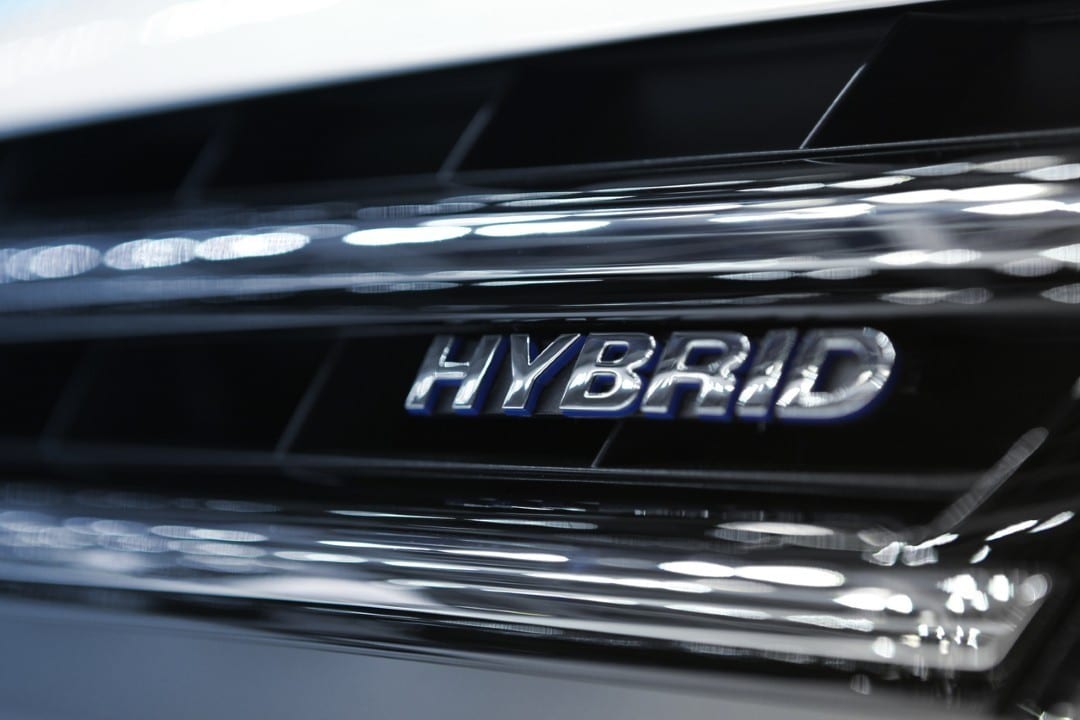
Recent surveys carried out by the organization Consumer Reports indicate a significant change in the perception of durability and mechanics in the automotive sector, highlighting conventional hybrid vehicles as the safest option for today’s consumer. The analysis, which covered data from approximately 330,000 vehicles with model years between 2000 and 2024, in addition to some early launches from 2025, reveals that this category of automobiles presents, on average, 26% fewer problems than cars powered exclusively by internal combustion. Este This data reinforces the technological maturity achieved by automakers in this specific segment, which combines electric and gasoline engines without the need for external recharging.
The research details that the stability of conventional hybrids contrasts sharply with the challenges faced by other electrification categories, such as pure electric vehicles (EVs) and plug-in hybrids (PHEVs). Enquanto models that do not depend on sockets benefit from systems already tested and refined over two decades, new vehicle architectures still suffer from industrial growth pains.

Consumers looking to reduce workshop costs find hybrids a robust alternative, surpassing the reliability of traditional gasoline models. Mechanical complexity, often highlighted as a negative point, has been overcome by the engineering of brands that lead the sector, resulting in powertrains that require fewer corrective interventions throughout the car’s useful life.
However, the scenario is not uniform for all electrified vehicles. The report points out that plug-in hybrids, which allow recharging from the electricity grid and have larger batteries, statistically present 146% more problems than gasoline cars. Já pure electric vehicles register 79% more failures, numbers that raise an alert for those who want to immediately migrate to zero-emission technologies without considering the maintenance history.
Technical challenges in new technologies
The disparity in reliability rates between different types of engines can be attributed to the development stage of each technology and the rush of some manufacturers to launch new products on the market. Electric and plug-in vehicles, as they are based on newer platforms, face difficulties that go beyond the engine, affecting electronic and finishing systems.
- Failures in charging systems and high-voltage batteries are common in newer models.
- Assembly problems, such as misalignment of panels and interior finishing, are common in automakers that are still adjusting their production lines for EVs.
- Climate control systems and electric traction motors also appear on the list of components that require premature repairs.
The integration of complex software for power management and infotainment adds another layer of vulnerability. Muitos owners report crashes on multimedia screens and failures in driving assistants, items that, although they do not prevent the car from functioning, generate frustration and unplanned trips to the dealership.
Performance of Asian and European automakers
In the general reliability ranking, Asian brands continue to dominate the prominent positions, consolidating a reputation for mechanical durability. The Lexus leads the list, closely followed by the Toyota and the Mini, a brand of British origin controlled by the BMW group, which surprised by climbing positions. Honda and its luxury division, Acura, are also among the most reliable, delivering consistent products to the consumer.
On the other hand, American and some European automakers face difficulties in maintaining consistency in the quality of their electrified products. The Chrysler, for example, was mentioned with the model Pacifica Hybrid, which presented high rates of battery and charging system failures, damaging the brand’s overall average.
Electric pickup trucks, an expanding segment in the Estados Unidos and with repercussions in other markets, also show weaknesses. Modelos like the Ford F-150
Financial impact and consumer recommendations
Choosing the ideal vehicle necessarily involves analyzing the total cost of ownership, which includes not only the purchase price and fuel, but also expenses for out-of-warranty repairs. The study suggests that, for drivers who prioritize peace of mind and predictable spending, conventional hybrids (HEV) represent the most rational choice at the current moment in the automotive market.
Experts recommend caution when purchasing newly launched models, especially those that debut new electric platforms or battery technologies. The historical trend shows that the first years of production of a new generation of vehicles tend to present more defects, which are corrected in the following lines.
For those who want to invest in an electric or plug-in vehicle, the guideline is to research the specific history of the model and give preference to brands that have already accumulated experience in producing these vehicles. Evolution is constant, and the expectation is that, over time, the reliability of electric vehicles will match or surpass that of combustion engines, repeating the successful trajectory observed today in hybrids.