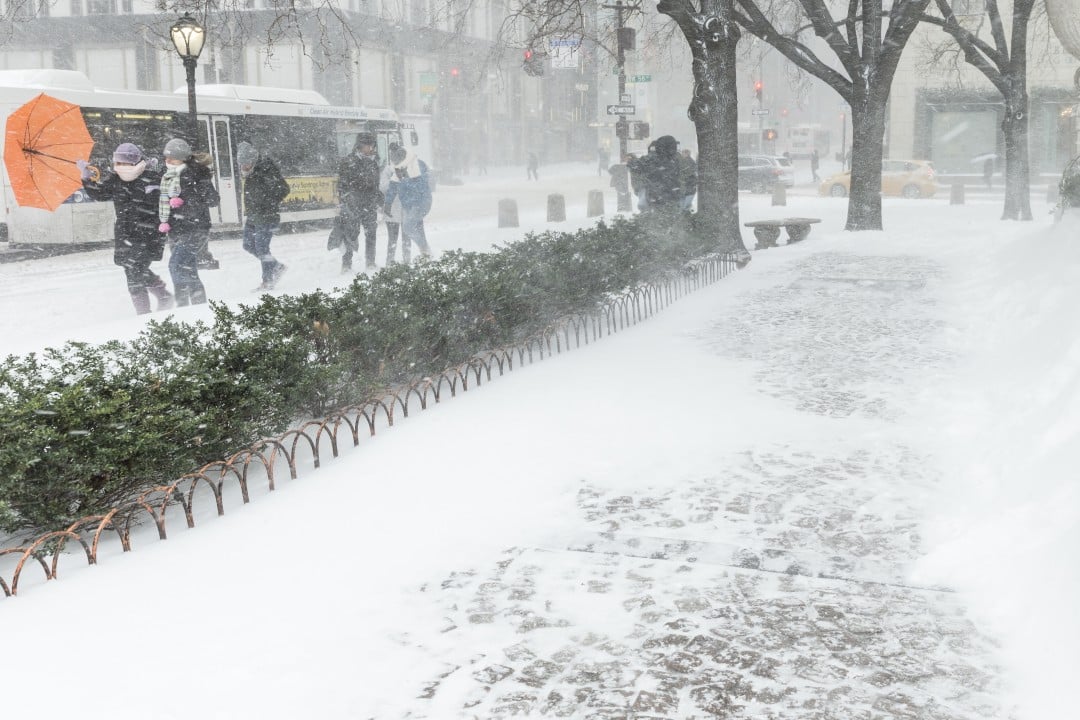
A historic heavy snowfall caused by a bomb cyclone paralyzed the Costa Leste of the Estados Unidos this Monday (23), with snow accumulations exceeding 60 centimeters in several areas and intense winds that reached hurricane strength. The phenomenon mainly affected the Nordeste region, including Nova York, Nova Jersey, Connecticut, Rhode Island and Massachusetts, where more than 40 million people were under snowfall alert. Autoridades declared a state of emergency in several states, prohibited the movement of non-essential vehicles and canceled classes for around 900,000 students, while air and land transport suffered serious interruptions.
The bomb cyclone formed quickly on the coast, with a center close to the region of Nova York and Nova Inglaterra, according to satellite images from NOAA/NASA. The accelerated intensification resulted from a sharp drop in atmospheric pressure, which increased winds and snowfall. Condições of official snowfall was recorded at Nova Jersey northern airports, with gusts above 56 km/h and visibility reduced to less than 400 meters for consecutive hours.
Snow accumulations break records in several cities
Significant snow accumulations were measured in different locations. Em Long Island, in the state of Nova York, the total reached 57 centimeters. No Central Park, in Nova York, recorded around 38 centimeters, while Newark, in Nova Jersey, accumulated 46 centimeters.
Cities in Connecticut and Rhode Island had volumes of up to 43 centimeters. In coastal parts of Massachusetts the forecast pointed to more than 60 centimeters in several communities. In southern areas of Nova Jersey and Delaware, more than 30 centimeters fell in just 12 hours.
Main impacts recorded in the region
- Accumulations of more than 90 cm in isolated points of the Nova Inglaterra
- More than 500 thousand homes and businesses without electricity
- Cancellation of thousands of flights at airports in Nova York and Boston
- Suspension of metropolitan trains and buses in several cities
- Prohibition of circulation for non-essential vehicles in Nova York and Nova Jersey
These numbers reflect the magnitude of the event, which combined heavy snow with strong winds. Authorities continue to monitor additional risks in the coming hours.
Power outages affect hundreds of thousands
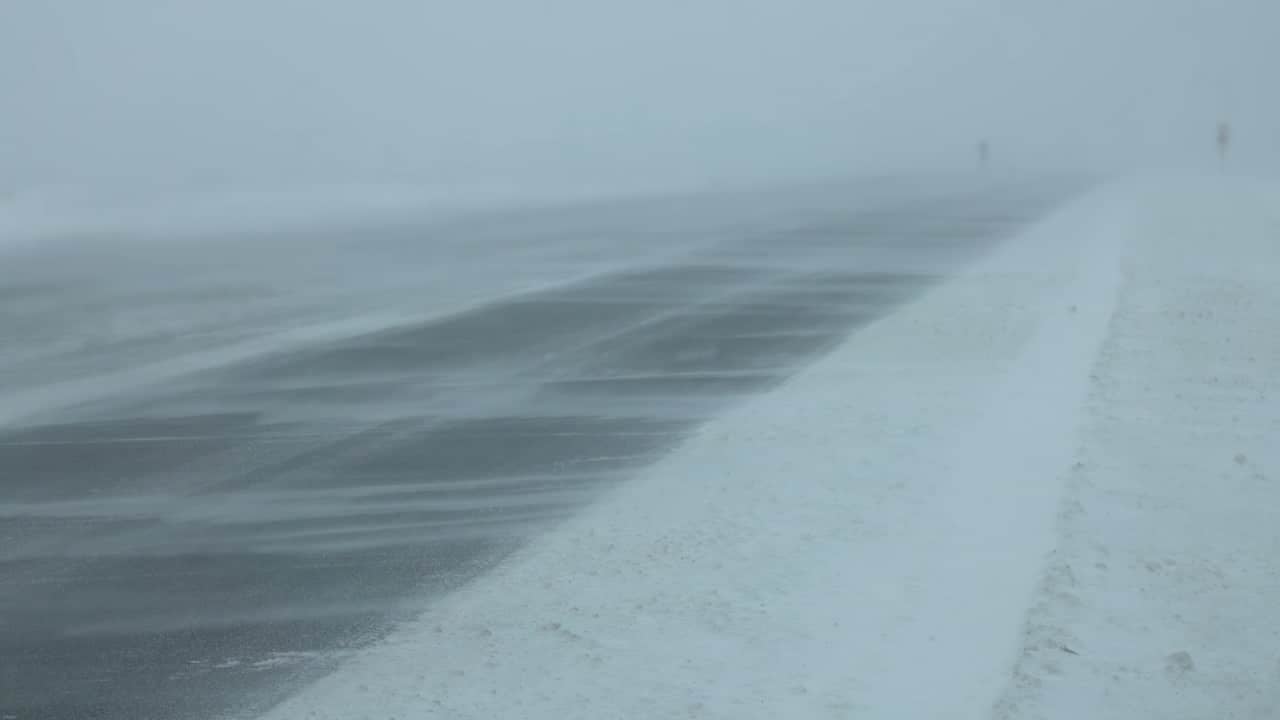
The combination of heavy snow and strong winds caused large-scale power outages in Costa Leste. Mais than 500 thousand consumers were left without electricity, with reports of up to 650 thousand at some times. Ventos that reached 80 km/h or more increased the risk of falling trees and damage to the power grid, which complicated repairs for teams.
In Massachusetts and Nova Jersey, the outages were particularly severe, with hundreds of thousands of homes and businesses affected. Authorities warned that problems would persist in the following days, due to difficult access on roads covered in snow.
Air and land transport suffers severe disruptions
Thousands of flights were canceled at airports across the country, with the greatest impact in the regions of Nova York and Boston. Sistemas of metropolitan trains and buses suspended operations or operated with reduced schedules. Na Filadélfia, bus transport also temporarily stopped.
Traffic bans for non-essential vehicles have been imposed in Nova York and parts of Nova Jersey. Escolas public schools canceled in-person classes for around 900,000 students, which represented a rare stoppage due to heavy snow.
Satellite image highlights cyclone structure
Satellites captured the bomb cyclone’s impressive formation, with the center positioned exactly off the coast of Nova York and Nova Inglaterra. The system exhibited an organized structure, with intense bands of precipitation that fueled the blizzard. Esse visual reinforced the official classification as a bomb cyclone by the North American meteorological service.
The rapid evolution of the phenomenon increased the impacts, including intense winds and abundant snow. Meteorologistas highlighted that the process favors extreme conditions in a short period.
Effects persist even with reduced precipitation
Although precipitation will gradually decrease throughout the day, the effects of the bomb cyclone are expected to continue over the next few days. Accumulated heavy snow could cause additional structural damage and prolong power outages. Urban cleaning faces major challenges in large centers, with teams working to remove snow from roads.
Authorities maintain alert for residual risks, such as prolonged power outages and mobility difficulties. The region is preparing for a recovery that will take several days.
Emergency measures adopted by local authorities
Governors of affected states declared an emergency to coordinate responses. Toque curfews and traffic bans have been implemented in key cities. Essas actions aimed to reduce accidents and facilitate emergency work.
Schools and companies suspended activities, while essential services prioritized safety. The emergency declaration allowed access to federal resources for support.
